
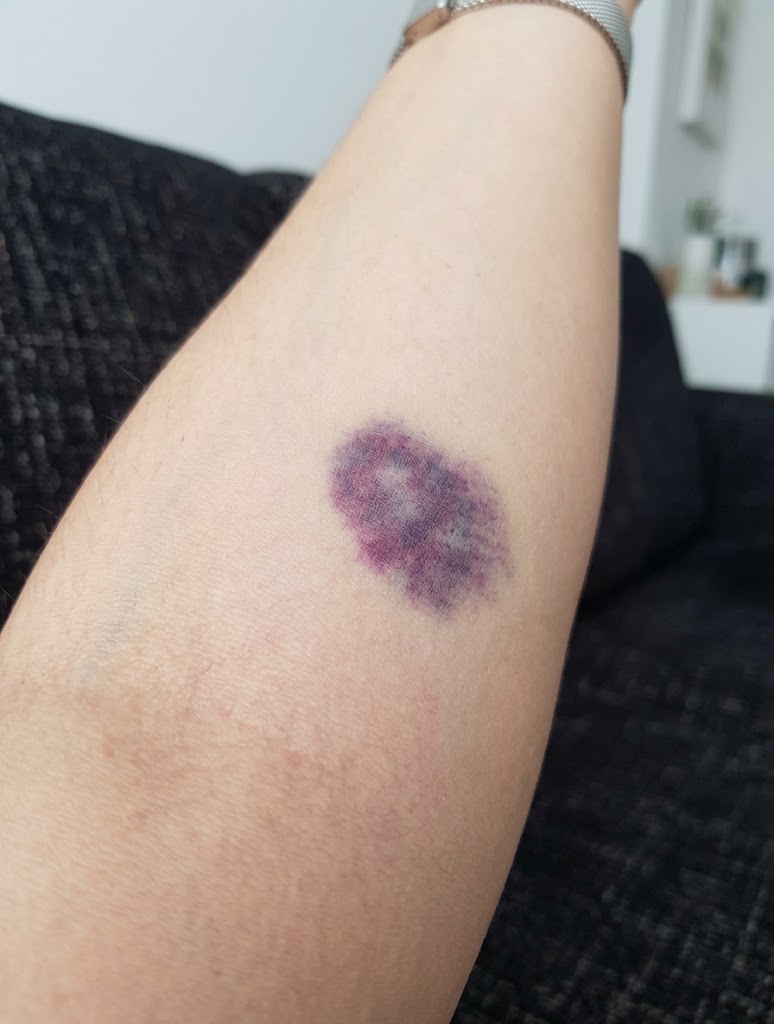
Frequent bruises without injury may be more than a cosmetic issue—they could signal an underlying health problem that deserves attention.
BE CAREFUL: Unexplained Bruises Could Be Your Body’s Warning Sign
Frequent bruises without injury may be more than a cosmetic issue—they could signal an underlying health problem that deserves attention.
Have you ever noticed a bruise appear on your arm or leg and had no idea how it got there? While occasional bruising after a minor bump is completely normal, repeated or unexplained bruises may sometimes indicate that something deeper is happening inside the body. Understanding the possible causes can help you recognize when it is time to seek medical advice.
Unexplained bruising occurs when tiny blood vessels called capillaries break beneath the skin, allowing blood to leak into surrounding tissues. In many cases, the cause is harmless. Aging skin, certain medications, or nutritional deficiencies can all make bruising more
likely. However, when bruises appear frequently, are unusually large, or develop without any known injury, they may warrant closer attention.


5
One common reason for easy bruising is the use of medications that affect blood clotting. Blood thinners, aspirin, and some anti-inflammatory drugs can increase the likelihood of bruising. Likewise, deficiencies in vitamins such as vitamin C, vitamin K, or iron may weaken blood vessels or interfere with the body’s ability to clot blood properly.
Another possible explanation involves liver health. The liver produces proteins that are essential for normal blood clotting. When liver function becomes impaired, the body may struggle to stop minor bleeding beneath the skin, leading to bruises that appear more easily than expected.
Blood disorders can also contribute to unexplained bruising. Conditions that affect platelets or clotting factors may reduce the body’s ability to repair damaged blood vessels. In these situations, bruising may occur alongside other
symptoms such as frequent nosebleeds, prolonged bleeding from cuts, or unusual fatigue.


Although rare, persistent unexplained bruising can sometimes be associated with serious illnesses, including certain blood-related cancers such as leukemia. In these cases, abnormal blood cell production can interfere with healthy clotting mechanisms. However, it is important to remember that bruising alone does not mean someone has cancer. Many less serious conditions can cause the same symptom.
There are several warning signs that should not be ignored:
- Bruises that appear frequently without injury.
- Very large or painful bruises.
- Bruises accompanied by excessive bleeding.
- Persistent fatigue or weakness.
- Frequent infections.
- Unexplained weight loss.
- Bruising that continues to worsen over time.
If any of these symptoms occur, consulting a healthcare professional is the safest course of action. A doctor may recommend blood tests or other evaluations to determine the underlying cause.


The good news is that many causes of unexplained bruising
are treatable. Nutritional deficiencies can often be corrected through diet or supplements, medication side effects may be managed under medical supervision, and many blood disorders can be treated more effectively when identified early.
Your body often provides subtle clues when something is not right. Paying attention to changes such as unusual bruising can help you take action before a small problem becomes a larger one. While most bruises are harmless, persistent unexplained bruising should never be ignored. When in doubt, seeking medical advice can provide reassurance and, in some cases, lead to early diagnosis of a condition that benefits from prompt treatment.
Frequent Unexplained Bruises: 12 Important Things Your Body May Be Trying to Tell You
A bruise may seem like a small problem. You notice a purple mark on your arm, a dark patch on your thigh, or a yellowish spot on your leg. You cannot remember bumping into
anything, so you assume it will disappear in a few days.
Occasional unexplained bruises are common. Sometimes, you simply forget a minor injury. However, when bruises appear repeatedly, become unusually large, or occur alongside other symptoms, it is worth paying attention.
Your blood vessels, platelets, clotting proteins, liver, and bone marrow all play important roles in preventing and controlling bleeding. A problem affecting any of these systems may make bruising more likely.
Here are 12 important things to understand about unexplained bruising, including common causes, warning signs, medical tests, and when to seek help.
1. Why Do Bruises Appear Even When You Don’t Remember an Injury?
A bruise, medically known as an ecchymosis, develops when small blood vessels beneath the skin are damaged and blood leaks into nearby tissues.
This can happen after a noticeable impact, such as hitting your leg against a table. But it can also happen after
a very minor bump that you barely notice.
As the leaked blood accumulates beneath the skin, it creates a visible mark. The color may initially appear red or purple, then gradually change to blue, green, yellow, or brown as the body breaks down and reabsorbs the blood.
The color changes are part of the normal healing process.
Some people bruise more easily than others because their skin and blood vessels are more fragile, their platelet function is different, or their blood does not clot as efficiently.
This is particularly common among older adults, whose skin becomes thinner and whose protective layer of fat beneath the skin may decrease.
Therefore, finding a bruise without remembering an injury does not automatically mean that something serious is happening.
However, repeated bruising without an obvious explanation deserves attention, especially when it represents a new change.
2. Aging Can Make Your Skin More Vulnerable to
Bruising
One of the most common reasons older adults develop bruises more easily is a natural change in skin structure.
As people age, their skin gradually becomes thinner and loses some of its collagen and elasticity. The small blood vessels beneath the skin may also become more fragile.
In addition, the protective fatty layer under the skin can become thinner, leaving blood vessels less protected from everyday bumps.
This can lead to a condition called actinic purpura, also known as senile purpura.
It commonly appears as flat, purple or reddish patches on the backs of the hands and forearms. These marks may appear after relatively minor contact and can take several weeks to fade.
Although the appearance can be alarming, actinic purpura is generally related to skin and blood vessel fragility rather than a serious clotting disorder.
People who have spent considerable time in the sun may be more susceptible
because long-term ultraviolet exposure contributes to skin damage.
Protecting the skin from excessive sun exposure, using moisturizers, and reducing accidental bumps may help limit further damage.
Nevertheless, new or widespread bruising should not automatically be attributed to aging. A healthcare professional can help distinguish age-related skin changes from other causes.
3. Medications May Be Making You Bruise More Easily
Medication is an important and sometimes overlooked cause of unexplained bruising.
Certain medicines affect platelets, interfere with blood clotting, or make blood vessels and skin more vulnerable to bleeding.
Examples include:
Anticoagulants: Medicines such as warfarin, apixaban, rivaroxaban, and dabigatran reduce the blood’s ability to form clots. They are commonly prescribed to prevent or treat dangerous blood clots.
Antiplatelet medications: Aspirin and clopidogrel affect platelet activity, making it harder for platelets to form an initial plug at the site of a damaged blood vessel.
Nonsteroidal anti-inflammatory drugs (NSAIDs): Medicines such as
ibuprofen and naproxen may affect platelet function and increase bleeding risk in some people.
Corticosteroids: Long-term use of oral or topical corticosteroids can thin the skin and make blood vessels more fragile.
Some supplements may also influence bleeding risk, particularly when combined with prescribed medication. Examples include high-dose fish oil, ginkgo, and certain herbal products.
If bruises begin appearing after starting a new medicine or changing a dose, tell your doctor or pharmacist.
One important warning: never stop a prescribed blood thinner or antiplatelet medicine on your own because of bruising. Suddenly stopping these medicines can increase the risk of serious complications, including stroke or blood clots.
Instead, seek medical advice about whether your treatment needs to be reviewed.
4. Vitamin Deficiencies Can Affect Blood Vessels and Clotting
Nutrition plays an important role in maintaining healthy blood vessels and normal blood clotting.
Some vitamin deficiencies can contribute to unusual bruising.
Vitamin C deficiency
Vitamin C is essential for collagen production. Collagen helps maintain the structure and strength of skin, connective tissue, and blood vessel walls.
Severe vitamin C deficiency can cause scurvy, a condition associated with fragile blood vessels, bruising, bleeding gums, poor wound healing, and fatigue.
People with very restricted diets, severe food insecurity, certain digestive conditions, or problems with nutrient absorption may be at increased risk.
Vitamin K deficiency
Vitamin K is necessary for the production of several proteins involved in normal blood clotting.
A significant deficiency can interfere with clot formation and contribute to excessive bleeding or bruising.
Vitamin K deficiency is uncommon in otherwise healthy adults but can occur in people with certain digestive or liver conditions, poor nutrient absorption, or particular medication exposures.
Vitamin B12 and folate deficiencies
Vitamin B12 and folate are important for producing healthy blood cells.
Severe deficiencies can contribute to anemia
and, in some cases, low platelet counts. When platelet numbers become too low, unexplained bruising and bleeding may occur.
Iron deficiency
Iron deficiency commonly causes anemia, fatigue, weakness, and reduced exercise tolerance.
However, iron deficiency alone is not a typical direct explanation for frequent bruising. If bruising occurs alongside suspected iron deficiency, doctors may investigate other possible causes as well.
The important point is that supplements should not be taken randomly to treat unexplained bruises. A healthcare professional can determine whether a deficiency exists and recommend the appropriate treatment.
5. Liver Disease Can Interfere With Normal Blood Clotting
The liver performs hundreds of important functions, including producing many of the proteins required for blood clotting.
When the liver is seriously damaged, its ability to produce certain clotting factors may decrease.
As a result, a person may experience easier bruising, prolonged bleeding, or other signs of abnormal clotting.
Conditions that can
affect liver function include:
- Chronic viral hepatitis.
- Alcohol-related liver disease.
- Metabolic dysfunction-associated steatotic liver disease.
- Cirrhosis.
- Certain autoimmune and inherited liver conditions.
Bruising associated with significant liver disease may occur alongside other symptoms, such as:
- Yellowing of the skin or eyes.
- Swelling of the abdomen or legs.
- Persistent fatigue.
- Loss of appetite.
- Nausea.
- Dark urine.
- Unexplained weight loss.
However, these symptoms do not all occur in every patient, and bruising alone cannot establish a diagnosis of liver disease.
If a doctor suspects a liver-related problem, they may recommend blood tests to assess liver function and clotting, along with additional investigations when appropriate.
Early evaluation can help identify liver problems before complications develop.
6. Low Platelet Counts Can Cause Unexplained Bruising
Platelets are tiny blood components that help stop bleeding when a blood vessel is damaged.
When a blood vessel is injured, platelets gather at the site and form an initial
plug. Clotting proteins then help strengthen that plug.
If the number of platelets becomes too low, the body may struggle to control even minor bleeding.
This condition is called thrombocytopenia.
Possible causes include:
- Viral infections.
- Certain medications.
- Immune system disorders.
- Liver disease and enlarged spleen.
- Bone marrow disorders.
- Some cancer treatments.
- Vitamin B12 or folate deficiency.
People with low platelet counts may develop bruises easily, but bruising is not the only possible symptom.
Other signs include:
- Tiny red or purple spots beneath the skin, called petechiae.
- Larger purple patches, known as purpura.
- Frequent nosebleeds.
- Bleeding gums.
- Heavy menstrual bleeding.
- Blood in urine or stool.
- Bleeding that takes longer than usual to stop.
A complete blood count (CBC) can measure platelet levels and help doctors determine whether further investigation is needed.
The severity of thrombocytopenia varies. Some people have no symptoms, while others may experience serious bleeding.
Sudden widespread bruising or
unexplained bleeding should be assessed promptly.
7. Could Frequent Bruising Be a Sign of Leukemia?
This is one of the most frightening possibilities associated with unexplained bruising.
Leukemia is a type of cancer that affects blood-forming tissues, particularly the bone marrow. It causes abnormal blood cells to multiply and can interfere with the production of normal blood cells.
Depending on the type and stage of leukemia, the bone marrow may produce insufficient numbers of healthy platelets, red blood cells, and normal white blood cells.
A low platelet count can make bruising and bleeding more likely.
Other possible symptoms include:
- Persistent fatigue or weakness.
- Pale skin.
- Frequent or persistent infections.
- Fever without an obvious explanation.
- Night sweats.
- Unexplained weight loss.
- Bone or joint pain.
- Swollen lymph nodes.
- Repeated nosebleeds or bleeding gums.
It is important to understand that these symptoms are not unique to leukemia. Many common and less serious conditions
can cause fatigue, fever, weight changes, or bruising.
Having a few unexplained bruises does not mean you have cancer.
However, persistent bruising accompanied by several other concerning symptoms should be evaluated by a healthcare professional.
A CBC may reveal abnormalities in red blood cells, white blood cells, or platelets. If the results suggest a possible bone marrow disorder, a doctor may recommend additional blood tests or referral to a hematologist.
The purpose of testing is to identify the actual cause rather than assume the worst.
8. Inherited Bleeding Disorders May Be Responsible
Some people are born with conditions that affect their ability to form blood clots.
One example is von Willebrand disease, a relatively common inherited bleeding disorder.
Von Willebrand factor is a protein that helps platelets attach to damaged blood vessels and also helps protect clotting factor VIII.
When this protein is deficient or does not function properly, bleeding
may last longer than expected.
Possible symptoms include:
- Frequent nosebleeds.
- Easy bruising.
- Heavy menstrual periods.
- Prolonged bleeding after dental procedures.
- Excessive bleeding after surgery.
- Bleeding that is difficult to control after minor injuries.
Another inherited condition is hemophilia, in which certain clotting factors are deficient or do not function properly.
Hemophilia can cause prolonged bleeding, deep muscle bleeding, and bleeding into joints.
Although severe forms are often identified during childhood, milder forms may not be diagnosed until adolescence or adulthood.
A family history of unusual bleeding can provide an important clue.
If several family members experience frequent nosebleeds, excessive bleeding after surgery, or unexplained bruising, tell your doctor.
Specialized blood tests can help identify inherited bleeding disorders.
9. Why Do Some Bruises Appear on the Legs, Arms, or Other Areas?
The location of a bruise can sometimes provide useful information.
Bruises on the legs are common because people frequently bump
their lower limbs against furniture, stairs, and other objects without noticing.
Bruises on the forearms and backs of the hands are also common, especially among older adults with thinner skin.
However, bruises appearing in unusual locations may deserve closer attention.
For example:
Repeated bruising on the arms and legs: This may be related to everyday minor injuries, fragile skin, medications, or a platelet problem.
Bruising around the trunk or back: Unexplained bruises in these areas may require evaluation, particularly if they are large, painful, or increasing.
Bruising around the eyes: This can result from direct injury, but bruising around both eyes without an obvious cause should be assessed urgently.
Large bruises after very minor contact: This may suggest increased skin or blood vessel fragility, medication effects, or a problem with platelets or clotting factors.
Location alone cannot identify the cause. Doctors consider the pattern, size, number, duration, medical history, and
other symptoms together.
10. What Medical Tests Might a Doctor Recommend?
If you report frequent unexplained bruising, your doctor will usually begin by asking questions about your health and examining your skin.
They may ask:
- When did the bruising begin?
- How often does it happen?
- Are the bruises becoming larger or more frequent?
- Do you remember any minor injuries?
- Do you experience nosebleeds or bleeding gums?
- Are your menstrual periods unusually heavy?
- What medications and supplements do you take?
- Does anyone in your family have a bleeding disorder?
- Have you recently experienced fatigue, fever, or unexplained weight loss?
Depending on your symptoms, your doctor may recommend several tests.
Complete blood count (CBC)
This test measures red blood cells, white blood cells, hemoglobin, and platelets.
It can help identify anemia, low platelet counts, and certain abnormalities in blood cells.
Peripheral blood smear
A laboratory examines blood cells under a microscope to
assess their size, shape, and appearance.
This may provide additional information when the CBC shows unusual findings.
Prothrombin time (PT) and INR
These tests assess aspects of the blood-clotting process. They are particularly relevant for people taking warfarin and for investigating certain clotting abnormalities.
Activated partial thromboplastin time (aPTT)
This test evaluates another part of the clotting system and may help identify deficiencies in certain clotting factors.
Liver function tests
These tests help assess liver health and may provide clues when liver disease is suspected.
Additional investigations
Depending on the results, doctors may consider vitamin levels, kidney function, specific clotting factor tests, von Willebrand testing, or bone marrow investigations.
Not everyone needs every test. The appropriate evaluation depends on the individual’s symptoms and medical history.
11. When Should You Seek Medical Attention?
Most ordinary bruises gradually fade without treatment. However, certain patterns should not be ignored.
Arrange a medical appointment
if you notice:
- Repeated bruises without a clear explanation.
- Bruises that are unusually large or numerous.
- Bruising that becomes progressively more frequent.
- Frequent nosebleeds or bleeding gums.
- Heavy or prolonged menstrual bleeding.
- Bruising accompanied by persistent fatigue or weakness.
- Unexplained weight loss, fever, or night sweats.
- A family history of abnormal bleeding.
Seek urgent medical care if you experience:
- Bleeding that will not stop.
- Blood in vomit, urine, or stool.
- Black, tarry stools.
- A severe or rapidly expanding bruise, especially with significant pain or swelling.
- A severe headache, confusion, weakness, or other neurological symptoms after a head injury.
- Sudden extensive bruising accompanied by bleeding from several areas.
If you take an anticoagulant and experience significant bleeding, a head injury, or rapidly worsening bruising, seek urgent medical advice.
Do not wait for a routine appointment when symptoms suggest serious bleeding.
12. Can You Prevent Frequent Bruising?
Not every cause of bruising
can be prevented, particularly inherited bleeding disorders or certain medical conditions.
However, some practical habits can reduce the risk of minor injuries and support general health.
Eat a balanced diet.
Include fruits, vegetables, protein sources, and foods containing vitamins C, K, B12, and folate.
Examples include citrus fruits, berries, leafy green vegetables, eggs, legumes, dairy products, and fish.
Review your medications.
Ask your doctor or pharmacist whether any prescribed medicines or supplements may increase bruising risk.
Never discontinue medication without professional advice.
Protect your skin.
Use long sleeves or protective clothing when doing activities that may cause minor injuries. Keep walkways clear and use appropriate lighting to reduce accidental bumps and falls.
Limit excessive alcohol consumption.
Heavy alcohol use can damage the liver, affect nutrition, and contribute to problems with blood clotting.
Maintain regular medical checkups.
Routine health assessments may help identify conditions such as liver disease, nutritional deficiencies, or
blood disorders before they cause more serious complications.
Avoid taking supplements unnecessarily.
More vitamins do not always mean better health. Excessive supplementation can cause harm, and some supplements interact with medications.
If you suspect a nutritional deficiency, discuss testing and treatment with a healthcare professional.
A Final Message: Pay Attention to Changes, but Don’t Assume the Worst
An unexplained bruise can be harmless. It may result from a minor bump you forgot, thinner skin, aging, or a medication that affects blood clotting.
But repeated bruising can sometimes be a clue that your body needs medical attention.
The most important thing is to look at the overall pattern.
Are the bruises becoming more frequent? Are they unusually large? Do you also experience nosebleeds, bleeding gums, persistent fatigue, fever, or unexplained weight loss?
These details can help a healthcare professional decide whether further investigation is necessary.
Remember that bruising alone does not
diagnose leukemia, liver disease, or a bleeding disorder. Many different conditions can produce similar symptoms, and appropriate tests are needed to identify the cause.
Do not stop prescribed medication or begin taking high-dose vitamins simply because you have noticed a few bruises.
Instead, keep track of when the bruises appear, where they develop, how long they last, and whether other symptoms occur.
Your body does not always announce a health problem loudly. Sometimes, a small change is simply a reason to pay closer attention.
If unexplained bruising keeps happening, arranging a medical evaluation is a sensible step. Early assessment can provide reassurance, identify treatable causes, and help prevent complications when a more serious condition is present.
A Final Message: Pay Attention to Changes, but Don’t Assume the Worst
An unexplained bruise can be harmless. It may result from a minor bump you forgot, thinner skin, aging, or a medication that
affects blood clotting.
But repeated bruising can sometimes be a clue that your body needs medical attention.
The most important thing is to look at the overall pattern.
Are the bruises becoming more frequent? Are they unusually large? Do you also experience nosebleeds, bleeding gums, persistent fatigue, fever, or unexplained weight loss?
These details can help a healthcare professional decide whether further investigation is necessary.
Remember that bruising alone does not diagnose leukemia, liver disease, or a bleeding disorder. Many different conditions can produce similar symptoms, and appropriate tests are needed to identify the cause.
Do not stop prescribed medication or begin taking high-dose vitamins simply because you have noticed a few bruises.
Instead, keep track of when the bruises appear, where they develop, how long they last, and whether other symptoms occur.
Your body does not always announce a health problem loudly. Sometimes, a small change is simply a
reason to pay closer attention.
If unexplained bruising keeps happening, arranging a medical evaluation is a sensible step. Early assessment can provide reassurance, identify treatable causes, and help prevent complications when a more serious condition is present.
