
Chapter 1: The Voyage That Was Supposed to Become a Beautiful Memory
On the evening of April 15, 2014, hundreds of passengers gathered at the port of Incheon, South Korea, preparing to board a ferry bound for Jeju Island. Among them were 325 students from Danwon High School in Ansan, accompanied by their teachers. They were looking forward to a school trip that had been planned as a celebration of their final years together – a chance to escape their demanding classrooms, enjoy the sea, and create memories before graduation.
For the teenagers, the journey represented something more than transportation. It was an opportunity to spend time with friends outside the familiar routines of school. Some had carefully packed their favorite clothes, while others carried cameras, snacks, and small gifts. They imagined taking photographs against Jeju’s beautiful coastal scenery, exploring the island, and laughing about the trip long after they returned
home.
Jeju was famous for its volcanic landscapes, beaches, green fields, and peaceful atmosphere. To the students, it must have seemed like the perfect destination after years of examinations and academic pressure. Parents watched their children board the ferry, perhaps reminding them to eat properly, stay together, and call home when they arrived. Nobody standing on the dock could have imagined how painful those ordinary goodbyes would become.
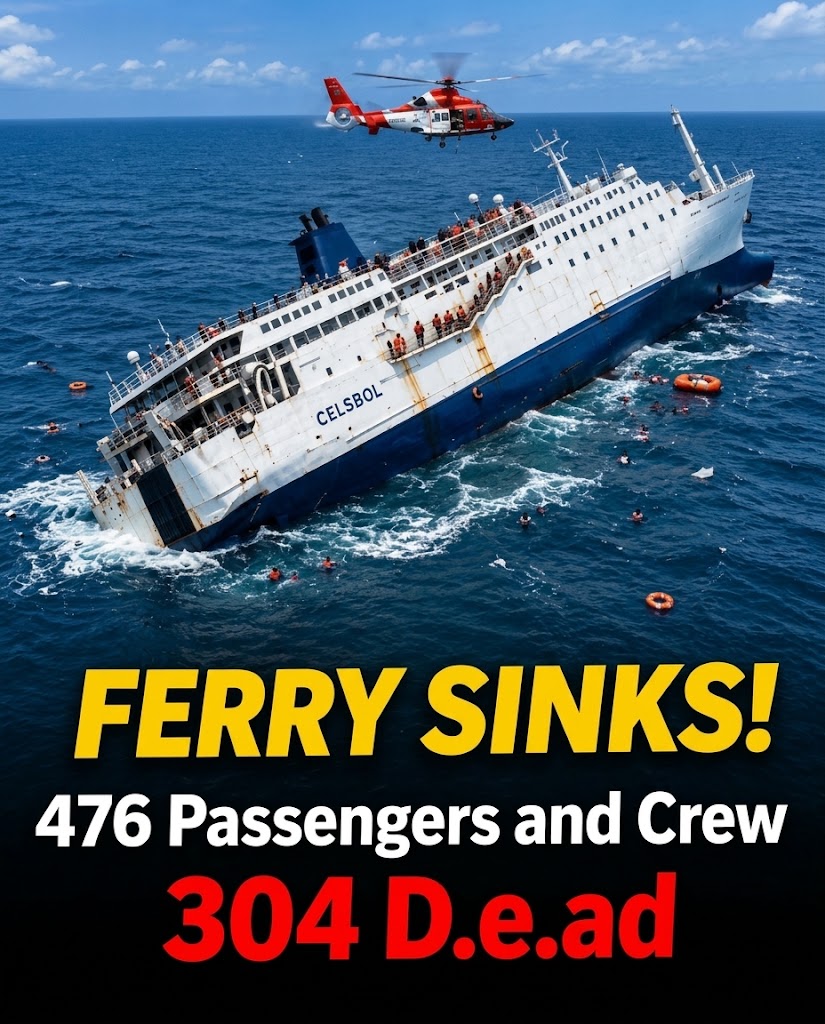
The vessel was the MV Sewol, a passenger ferry that had been operating between Incheon and Jeju. It was a large ship with several decks, passenger cabins, dining facilities, and vehicle storage areas. On that voyage, it carried 476 people, including the students, teachers, other passengers, and crew members. It also transported a substantial quantity of commercial cargo.
The ferry departed Incheon at approximately 9 p.m. The evening was quiet, and the ship began its overnight journey through the waters surrounding
the Korean Peninsula. Inside, passengers settled into their rooms. Some students talked excitedly, while others watched videos, shared food, or prepared to sleep. For many, it was simply the beginning of an enjoyable school adventure.
But beneath the ordinary appearance of the vessel were serious safety concerns that passengers could not see.
The Sewol had originally been built in Japan before being purchased and modified for service in South Korea. Its structure had been altered to increase passenger capacity, including modifications that added weight higher on the vessel. Such changes affected its center of gravity and reduced its margin of stability.
The ship also carried significant amounts of cargo. Investigations later revealed that the ferry had frequently operated with cargo loads exceeding permitted limits. At the same time, the amount of ballast water—water stored in tanks to help stabilize a vessel—had been reduced. These factors made the ship more vulnerable
to dangerous movements.
Cargo security was another critical issue. Heavy vehicles and other freight must be properly secured because even a relatively small shift in weight can affect a vessel’s balance. In the case of the Sewol, the cargo was not adequately secured for the conditions and the ship’s already weakened stability.
These problems did not appear suddenly on the morning of the disaster. They were connected to decisions, practices, and failures that had developed over time. Yet the passengers had no reason to suspect that the ship carrying them was operating under such dangerous conditions.
As midnight passed, the ferry continued south. The students were asleep or resting, believing that experienced professionals were responsible for their safety. Their families were at home, expecting to hear that the trip had gone smoothly.
The ship was approaching one of the most consequential mornings in modern South Korean history.
And although the
passengers had boarded expecting a peaceful journey, the conditions that would turn the Sewol into a disaster were already present beneath their feet.
Chapter 2: The Sudden Turn That Changed Everything
Morning arrived on April 16, 2014. The Sewol was traveling through waters near the southwestern coast of South Korea, approaching the Maenggol Channel, an area known for challenging currents and demanding navigation conditions.
The ferry was not being commanded by its captain at the time of the critical maneuver. Captain Lee Joon-seok was not at the helm. The vessel was under the responsibility of a third mate, with a helmsman operating the steering controls.
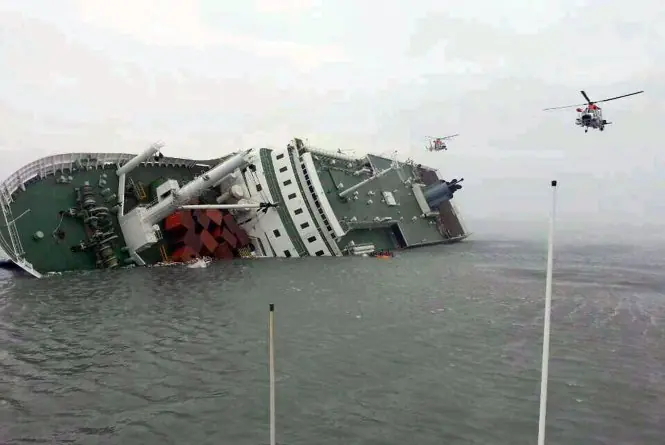
At approximately 8:48 a.m., the ship made a sharp turn. The exact sequence of navigational decisions became an important subject of later investigations, but the consequences were devastating. The ferry began to lean sharply to one side.
At first, passengers may have assumed
that the movement was simply part of normal sailing. Ships sometimes tilt as they turn, and most travelers are accustomed to feeling changes in movement. But this was different. The angle continued to increase, and objects inside the ship began sliding across floors.
Tables shifted. Furniture moved. Personal belongings fell from shelves. Passengers struggled to keep their balance as the vessel leaned farther and farther.
The cargo inside the vehicle decks was also affected. Because the load had not been adequately secured, heavy items shifted as the ship tilted. This movement further worsened the ferry’s stability, creating a dangerous cycle: the ship leaned, cargo moved, and the movement made the ship even less stable.
For the students, the situation was confusing and frightening. Many were still inside their cabins when the ferry began listing. Some tried to contact friends or family members. Others waited for instructions, believing that the crew
would soon explain what was happening.
The first minutes were crucial. A passenger vessel in serious danger requires clear leadership, immediate communication, and a coordinated evacuation. Passengers need to know where to go, which routes are safe, and how to reach the designated assembly areas.
Instead, announcements instructed people to remain where they were and not move around. Passengers were told to put on life jackets and wait for further instructions.
At first, this may have sounded like a reasonable precaution. Moving around a ship that was suddenly tilting could be dangerous. But as the angle increased, remaining inside the cabins became increasingly hazardous. The instructions continued even as the situation deteriorated.
At approximately 8:52 a.m., a student aboard the ferry contacted emergency services. This call became one of the most haunting details of the disaster. A teenager, trapped inside a ship that was rapidly losing stability, was
among the first people to alert authorities.
The call revealed the fear and uncertainty unfolding onboard. The student needed help, but the scale of the danger was still developing, and the people receiving the emergency reports did not yet have a complete understanding of the situation.
Meanwhile, the ferry continued to lean. Corridors became difficult to navigate. Doors and stairways no longer functioned as passengers expected. People who attempted to move toward higher decks had to struggle against gravity and the changing position of the ship.
The sea outside remained cold and unforgiving. Water began entering parts of the vessel, and the possibility of a successful evacuation became more urgent with every passing minute.
The Sewol was no longer simply experiencing an uncomfortable turn. It was facing a life-threatening emergency.
And the most frightening part was that hundreds of passengers were still waiting for someone to tell them what to
do.
Chapter 3: The Announcement That Kept Passengers Waiting
As the ferry continued to tilt, the situation inside became increasingly chaotic. Passengers were trying to understand why the vessel was leaning so dramatically, while crew members were dealing with an emergency that required immediate and decisive action.
The announcement telling passengers to remain in their cabins continued to influence what people did. Many students followed the instructions because they trusted the adults responsible for the ship. They had been taught to listen to teachers, follow safety directions, and avoid creating unnecessary panic.
In an ordinary emergency, following instructions from trained crew members is essential. But safety instructions must change when circumstances change. When a ship is taking on water and losing stability, an evacuation may become necessary. Remaining in a cabin can turn a temporary danger into a deadly trap.
The students did not know how much time they had.
Some wore life jackets and waited. Others contacted parents, sending messages that revealed their growing fear. Families began receiving calls and texts from children who had expected to be enjoying a school trip.
For parents, the first reports were difficult to understand. A ferry had encountered trouble, but they did not yet know how serious the situation was. Many assumed that rescue teams would arrive quickly and that their children would soon be safe.
On the bridge, communication with maritime authorities was underway. Emergency services were alerted, and nearby vessels and Coast Guard units began responding. The first rescue resources arrived while the ferry was still partially afloat.
But the response was deeply flawed.
The captain and several senior crew members left the vessel and were rescued. Rather than ensuring that passengers were evacuated, they abandoned the ship while many people remained trapped inside. The captain’s actions would later become
central to the criminal proceedings and public anger surrounding the disaster.
The contrast was devastating. The people with the greatest responsibility for the passengers’ safety were among those who escaped, while hundreds of others were still waiting for help.
Not everyone onboard acted selfishly. Some crew members and members of the school staff tried to help passengers. A number of teachers and other individuals worked to guide students toward safer areas, and some gave their life jackets to young people who needed them.
One of the most remembered figures was Park Ji-young, a young cafeteria worker aboard the ferry. She helped passengers and gave her life jacket to a student. Her actions became a symbol of courage and compassion amid the failures surrounding the evacuation.
Other students also demonstrated extraordinary concern for their classmates. Some helped friends put on life jackets, supported one another through the tilted corridors, and tried
to find ways toward the upper decks.
But the ship’s position made escape increasingly difficult. The angle became so steep that ordinary stairways and passageways were transformed into obstacles. Water entered the lower sections, and the interior grew darker and more dangerous.
Outside, rescue boats approached. Helicopters were visible above the scene. From a distance, it might have appeared that help was arriving. But reaching a vessel and rescuing the people trapped inside are two very different things.
The initial rescue response focused heavily on people who could reach the outside or were already visible near the surface. Many passengers remained inside the ferry, beyond the immediate reach of rescuers.
As the Sewol rolled farther onto its side, the possibility of reaching those passengers became smaller.
For families watching reports from home, the information was confusing. News broadcasts provided changing accounts of the number of people rescued. At one point,
an incorrect report suggested that all students had been rescued, briefly giving families hope before the information was corrected.
That false reassurance made the waiting even more unbearable.
The ship was now approaching the point at which survival would become almost impossible for those still trapped inside. Yet many families continued to believe that their children might still be found alive.
And as the ferry disappeared farther beneath the water, the question facing the entire country became increasingly painful: why had so many passengers been left waiting when there was still time to act?
Chapter 4: The Longest Wait in South Korea
By the morning of April 16, images of the Sewol had spread across South Korea. The ferry was lying heavily on its side, surrounded by rescue vessels and helicopters. The scale of the disaster was becoming impossible to ignore.
Families began traveling toward Jindo, near the location of
the sinking, desperate for information about their loved ones. Many parents had received messages from their children but had no idea whether those messages had been sent shortly before the ship sank or whether their children were still alive.
At gathering points near the coast, families waited for updates. Some held photographs of their children. Others repeatedly checked their phones, hoping to receive a call or message. The atmosphere was filled with fear, confusion, and disbelief.
The information released by authorities changed repeatedly. Reports about rescued passengers were inconsistent, and the early announcement that all students had been saved was later shown to be wrong. For parents who had briefly celebrated, the correction was devastating.
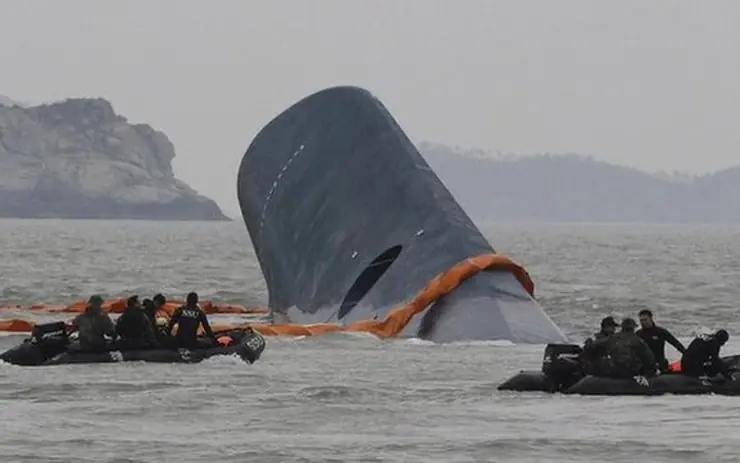
The rescue operation faced difficult physical conditions. The water was cold, visibility was poor, and currents made diving dangerous. Reaching the interior of an overturned ferry required specialized equipment and considerable expertise.
However, the difficulties
of the environment did not erase the serious shortcomings in the response. Questions soon emerged about coordination, leadership, communication, and the use of available rescue resources.
The Coast Guard faced intense criticism over its handling of the emergency. There were delays and failures in coordinating the rescue, and the authorities struggled to provide families with reliable information. The absence of a clear and effective command structure became one of the most controversial aspects of the disaster.
The families were not simply waiting for a rescue operation to finish. They were waiting for the truth.
For hours, they watched television reports showing the vessel slowly sinking. They listened to officials discuss the situation, but each update seemed to bring new uncertainty. Some parents demanded that divers enter the ship immediately. Others tried to understand why the rescue effort appeared unable to reach the people believed to be trapped inside.
As the
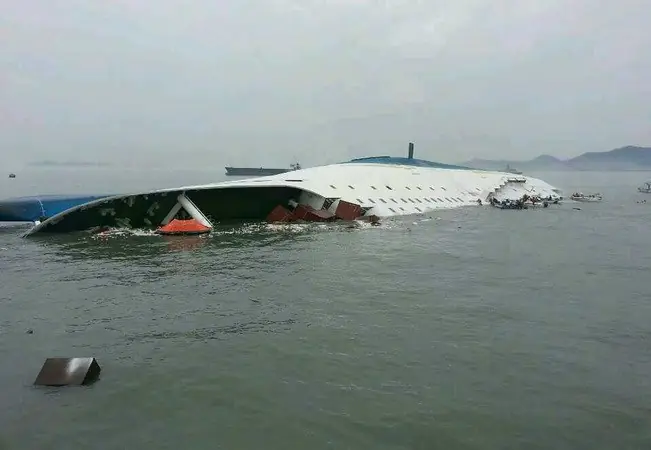
Sewol became almost completely submerged, hope became increasingly difficult to sustain. The rescue operation gradually shifted toward recovery, although families continued hoping that survivors might still be found.
The divers who entered the wreck faced an extremely dangerous environment. The ship’s interior was dark, flooded, and filled with obstacles. Furniture, luggage, equipment, and other objects had shifted from their original positions. Corridors that had once been familiar passageways were now difficult to navigate.
The recovery work continued for days and weeks. Each discovery brought another family closer to learning the fate of someone they loved, but it also brought unbearable grief.
Among the victims were students who had been told to stay in their cabins. Many were found in areas where they had gathered while following the announcements. The fact that they had been wearing life jackets and waiting for instructions made the disaster especially painful for their families.
The
tragedy also revealed the courage of individuals who had tried to help others. Teachers, crew members, and students had made desperate efforts to protect people around them. Some survived; others did not.
The country was forced to confront two realities at once: the extraordinary bravery shown by ordinary people and the catastrophic failures of the institutions responsible for protecting passengers.
The families who gathered near Jindo wanted more than sympathy. They wanted a complete explanation of how a school trip had turned into a national tragedy, why the evacuation had failed, and who should be held accountable.
Eventually, the official death toll reached 304, while nine people remained missing. The victims included 250 students and 11 teachers from Danwon High School, along with other passengers and crew members.
The numbers were devastating, but every number represented an individual life: a child with plans for the future, a parent waiting at
home, a teacher who had expected to return to the classroom, or a passenger who had simply wanted to reach Jeju.
And when the immediate rescue operation ended, South Korea faced another difficult journey—the search for justice and accountability.
Chapter 5: The Questions That Would Not Disappear
The Sewol disaster did not end when the ferry disappeared beneath the sea. In many ways, the most difficult chapter for South Korea began afterward.
The loss of 304 people triggered widespread grief, anger, and demands for accountability. Families wanted to know why the ferry had been allowed to operate under unsafe conditions, why its cargo had not been properly secured, and why the evacuation instructions had failed so catastrophically.
The investigation revealed a series of serious problems. Structural modifications had affected the ship’s stability. Cargo loading practices had increased the vessel’s risk of capsizing. Ballast water levels were insufficient for the amount
of cargo being carried, and the freight was not adequately secured.
These were not isolated technical mistakes. They reflected broader failures in oversight and safety management.
The disaster also exposed weaknesses in the maritime regulatory system. Questions were raised about the relationship between shipping companies, industry organizations, and the authorities responsible for monitoring safety. Investigators examined whether commercial priorities and inadequate supervision had allowed dangerous practices to continue.
The crew’s conduct became another central issue. Captain Lee Joon-seok and other crew members were criticized for abandoning the vessel while passengers remained onboard. In November 2014, the captain was convicted of murder through gross negligence and sentenced to life imprisonment. Other crew members also received prison sentences for their roles in the disaster.
The legal proceedings were important, but they could not answer every question that families were asking. Many wanted to understand not only what happened on the ship but
also why the broader emergency response had failed.
Public anger grew as investigations and official explanations continued. Demonstrations and candlelight vigils took place across the country. Yellow ribbons became a widely recognized symbol of remembrance and solidarity with the victims and their families.
The disaster also became a major political issue. The government’s handling of the emergency response was heavily criticized, and public confidence in national institutions suffered. The Sewol tragedy contributed to a broader period of political unrest and scrutiny, although South Korea’s later political developments had multiple causes.
In Ansan, the hometown of Danwon High School, the loss was deeply personal. Classrooms, school corridors, and familiar gathering places became reminders of the students who would never return. Families and friends continued to honor the young people whose lives had ended during what was supposed to be a joyful school trip.
The tragedy also changed how many South Koreans
thought about public safety. It raised difficult questions about whether regulations were being enforced, whether emergency personnel were adequately prepared, and whether people in positions of authority understood the responsibility that came with their jobs.
A ferry disaster can involve complicated technical factors, but the basic duty of passenger safety is straightforward. Ships must be maintained properly. Cargo must be secured. Passenger limits must be respected. Crew members must be trained to respond to emergencies. Most importantly, evacuation instructions must be clear, timely, and appropriate to the actual danger.
The Sewol disaster demonstrated what can happen when these responsibilities fail at the same time.
Years later, the names and photographs of the victims remain part of South Korea’s collective memory. Memorial events continue to bring families, former classmates, and members of the public together. The yellow ribbon remains a reminder that remembrance is not simply about looking backward. It is
also about demanding safer systems in the future.
The story of the Sewol is often remembered through its most heartbreaking images: a giant white ferry leaning into the sea, rescue helicopters circling overhead, parents waiting for news, and students sending messages to the people they loved.
But behind those images were 304 lives lost and countless people whose futures were changed forever.
The students had boarded the ferry expecting an adventure. They had planned to laugh with friends, explore Jeju Island, take photographs, and return home with stories to tell. Their families had expected ordinary phone calls and happy reunions.
Instead, the voyage became one of the darkest maritime tragedies in South Korea’s modern history.
The Sewol disaster remains a warning about the consequences of negligence, failed leadership, and the terrible cost of ignoring safety. It is also a reminder of the courage shown by people who tried to protect
others when the systems around them failed.
The most important legacy of the tragedy is not the ship itself, nor the legal sentences handed down afterward. It is the responsibility to remember the people who were lost—and to ensure that their deaths are never treated as merely another statistic.
A school trip should have ended with photographs, souvenirs, and stories shared among friends.
For the families of the Sewol victims, that ordinary ending never came.
The Promise That Must Never Be Forgotten
Beyond the investigations, courtrooms, and public memorials, the Sewol tragedy left behind something that cannot be measured in numbers: the empty spaces in the lives of those who survived.
For parents, the passage of time did not mean that grief disappeared. Birthdays arrived without the children they had once celebrated. Graduation seasons brought memories of classmates who never had the opportunity to finish school. Ordinary moments—a familiar song,
an old photograph, or a message saved on a phone—could suddenly bring back the morning when everything changed.
Former classmates also carried the memories of their friends into adulthood. Some continued their education, built careers, and started families, but the experience of losing so many people at such a young age remained part of their lives. Their memories became a reminder of the futures that had been taken away.
The yellow ribbons associated with the Sewol disaster came to represent more than mourning. They became symbols of remembrance, solidarity, and the demand for responsibility. Each ribbon expressed a simple message: these lives mattered, and what happened must not be forgotten.
There is also an important lesson for future generations. Safety regulations are not meaningless paperwork, and emergency announcements are not merely formal procedures. They exist because real people depend on them. Every inspection, every properly secured cargo load, every trained
crew member, and every effective rescue plan can make the difference between survival and tragedy.
The students who boarded the Sewol on April 15, 2014, were expecting to return home with happy memories. Their families were expecting to welcome them back. Neither imagined that the journey would become a defining tragedy for an entire nation.
More than a decade later, remembering the Sewol means remembering each person behind the statistics and continuing to demand a world in which responsibility, preparedness, and human life always come before convenience or profit.
