
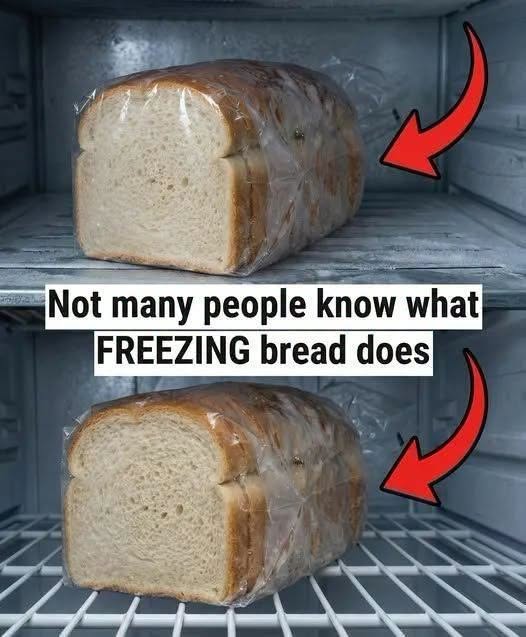
Bread is a staple food in households around the world, loved for its convenience, versatility, and comforting texture. However, fresh bakery bread often goes stale or grows mold within just a few days on the kitchen counter. To prevent waste, millions of people freeze their bread slices or entire loaves.
While freezing bread is a well-known storage hack to prolong shelf life, many people do not realize that the physical act of freezing and thawing bread fundamentally alters its nutritional composition and starch structure.
Scientific studies reveal that cooling and freezing starches leads to a biological phenomenon known as starch retrogradation. This process converts digestible carbohydrates into resistant starch, lowering the bread’s glycemic index, feeding beneficial gut bacteria, and reducing blood sugar spikes.
In this comprehensive guide, we will explore the food science behind freezing bread, its surprising health benefits, proper freezing and thawing techniques, how food waste reduction impacts household finances, and answer common questions about baking storage hacks.
The Food Science: What Happens When You Freeze Bread?
To understand how freezing alters bread, it helps to examine how starch molecules behave during baking, cooling, and freezing cycles.
1. Gelatinization During Baking
When bread dough is baked, the water and flour heat up together. The starch granules in the flour absorb water, swell, and eventually burst in a process called starch gelatinization. This creates the soft, tender, and easily digestible texture characteristic of fresh bread. Because these starches are fully gelatinized, the body’s digestive enzymes quickly break them down into simple glucose molecules, causing rapid absorption into the bloodstream.
2. Retrogradation During Cooling and Freezing
When cooked bread cools down and freezes, the starch molecules begin to realign and crystallize into a tight, rigid structure. This structural transformation is called starch retrogradation.
When starches realign through retrogradation:
-
Resistant Starch Formation: A portion of the rapidly digestible starch transforms into resistant starch, which resists enzymatic breakdown in the small intestine.
-
Lowered Glycemic Index: Because resistant starch passes through the digestive tract without being immediately converted into glucose, the bread causes a significantly smaller rise in post-meal blood sugar levels.
-
Gut Microbiome Nourishment: The resistant starch acts as a prebiotic fiber, traveling into the large intestine where beneficial gut bacteria ferment it into short-chain fatty acids (SCFAs) like butyrate.
3. The Power of Freezing and Toasting
Interestingly, scientific research published in clinical nutrition journals found that freezing fresh bread and subsequently toasting it dramatically lowers blood sugar response compared to eating fresh, room-temperature bread. Toasting previously frozen bread creates a double chemical modification that further reduces starch digestibility while maintaining a delicious, crispy texture.
The Health Benefits of Freezing Your Bread
Incorporating frozen and toasted bread into your daily routine offers several measurable wellness advantages:
1. Improved Blood Sugar Management
For individuals managing metabolic conditions, prediabetes, or insulin sensitivity, freezing bread before eating helps flatten glucose spikes. A lower glycemic response prevents energy crashes, supports stable mood levels, and minimizes excessive insulin secretion throughout the day.
2. Enhanced Gut Health and Digestion
Resistant starch formed during the freezing process serves as crucial fuel for your gut microbiome. As gut bacteria ferment resistant starch into butyrate, this short-chain fatty acid nourishes the lining of the colon, reduces inflammation, and strengthens gut barrier integrity.
3. Increased Satiety and Weight Management
Foods higher in resistant starch and prebiotic fiber digest more slowly, promoting long-lasting feelings of fullness and satisfaction after meals. This can naturally reduce mid-day snacking and support healthy calorie balance.
Practical Tips: How to Freeze and Thaw Bread Perfectly
While freezing bread alters its chemical structure for the better, improper storage can lead to freezer burn, excess ice crystal accumulation, or soggy crusts. Follow these best practices to preserve optimal texture and taste:
How to Freeze Bread Correctly
-
Slice Before Freezing: Always slice whole loaves prior to freezing. This allows you to pull out individual slices as needed without thawing the entire loaf repeatedly.
-
Double Wrap for Protection: Wrap the bread tightly in its original plastic packaging or parchment paper, then place it inside a heavy-duty, sealable freezer bag. Removing excess air prevents freezer burn and dehydration.
-
Freeze at Peak Freshness: Freeze bread when it is fresh rather than waiting until it begins to go stale. Freezing preserves the current moisture level and texture.
How to Thaw and Reheat
-
Directly in the Toaster: Drop frozen slices directly into the toaster or toaster oven without thawing first. The heat thaws and toasts the bread simultaneously, resulting in a crispy exterior and tender center.
-
Oven Refreshing for Whole Loaves: If thawing a whole loaf, let it thaw at room temperature inside its plastic bag, then bake it in a preheated 350°F (175°C) oven for 10 minutes to restore a crispy, bakery-style crust.
-
Avoid Room-Temperature Counter Thawing for Slices: Leaving individual slices to thaw exposed on the counter can trap moisture, making the crumb soggy.
Household Finance: Food Waste, Budgeting, and Long-Term Savings
Beyond the health advantages, freezing bread is a powerful household management strategy that directly benefits your personal finances.
Reducing Household Food Waste
Bread is among the most frequently discarded food items globally due to rapid mold formation and staleness. Throwing away half a loaf of store-bought or artisanal bread every week quickly adds up to hundreds of dollars wasted annually. Freezing ensures that 100% of the bread you purchase gets consumed.
Smart Grocery Budgeting and Bulk Buying
Purchasing items in bulk or taking advantage of bakery sales allows families to reduce weekly grocery costs. By freezing surplus loaves, you can lock in lower price points while ensuring a steady supply of nutritious carbohydrates at home.
Financial Discipline and Long-Term Goals
Practicing conscious household budgeting in the kitchen reinforces strong financial management habits across all areas of life. Savings achieved through smart grocery management can be redirected toward building emergency funds, managing home Mortgage obligations, handling personal Credit or Loan payments, and investing in long-term Retirement portfolios.
Prioritizing preventative health habits—like eating higher-fiber starches—also reduces long-term medical expenditures, health Insurance claims, and lifestyle-related prescription needs down the line.
Comparison: Fresh Bread vs. Frozen Bread
| Feature | Fresh Bread | Frozen & Toasted Bread |
| Shelf Life | 3 to 7 days |
Up to 3 months |
| Resistant Starch Level | Lower |
Higher |
| Glycemic Index (GI) | Higher |
Lower |
| Blood Sugar Impact | Sharper Glucose Peak |
Flatter, Gradual Rise |
| Gut Microbiome Impact | Standard Carbohydrate |
Prebiotic Fiber Fuel |
Fascinating Facts About Bread and Starches
-
Ancient Baking History: Archaeologists have discovered evidence of bread baking dating back over 14,000 years in Northeastern Jordan—long before the formal advent of agriculture!
-
Staleness is Not Just Drying Out: Bread goes stale primarily due to retrogradation—the recrystallization of starch—rather than simple moisture evaporation. This is why reheating stale bread temporarily softens it again.
-
Rice and Potatoes Share the Same Benefit: The retrogradation effect is not exclusive to bread! Cooling or freezing cooked white rice, potatoes, and pasta similarly increases their resistant starch content and lowers their blood sugar impact.
Frequently Asked Questions (FAQ)
Does freezing bread kill mold spores?
Freezing pauses mold growth and keeps bread fresh, but it does not kill existing mold spores. Always inspect bread before freezing and discard any loaves that already display visible mold spots.
How long can bread stay in the freezer?
When properly double-wrapped, bread retains optimal taste and texture in the freezer for up to 3 months. While safe to eat beyond that period, it may begin to suffer from freezer burn or lose flavor.
Is freezing bread better than storing it in the refrigerator?
Yes! Storing bread in the standard refrigerator compartment actually accelerates starch recrystallization without fully freezing moisture, causing the bread to go stale up to six times faster than keeping it at room temperature or in the freezer.
Does frozen bread have fewer calories?
Freezing does not significantly change the total caloric count of bread, but it changes how those calories are processed. Because resistant starch is not fully absorbed in the small intestine, slightly fewer effective net calories are extracted during digestion.
Conclusion
Freezing bread is far more than just a convenient trick to stop mold growth—it is a scientifically proven method to transform ordinary carbohydrates into gut-friendly resistant starches. By lowering the glycemic index and flattening blood sugar spikes, freezing and toasting your bread allows you to enjoy your favorite staple food while supporting your health goals and reducing household food waste. Implementing simple kitchen strategies like this protects both your physical wellness and your household budget.
