
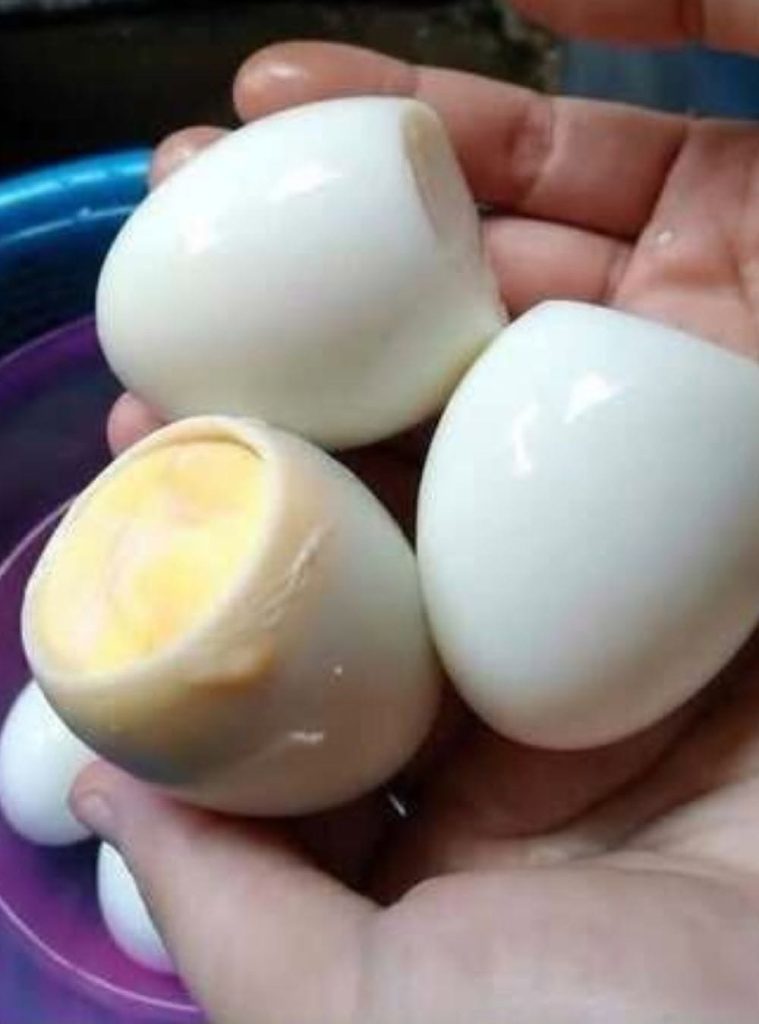
Cooking eggs is one of the most fundamental culinary skills you can bring to your kitchen. Whether you are preparing a quick breakfast, assembling a weekend family brunch, or tossing together a nutritious protein-packed salad, having a reliable, foolproof egg-cooking technique is essential. Among all classic culinary preparations, mastering the art of boiling eggs stands out for its simplicity, versatility, and precision.
Creating perfectly cooked eggs requires understanding the balance of cooking times, water temperatures, and proper peeling methods. From selecting fresh pantry staples to mastering the art of the ice bath, this comprehensive guide provides everything you need to prepare professional-quality boiled eggs right at home.
1. Essential Principles for Boiling Eggs
The secret to perfectly set whites and creamy yolks lies in controlling heat exposure and timing. Unlike complex baking recipes, boiling eggs relies on straightforward thermodynamic principles that work together harmoniously.
+-------------------------------------------------------------------------------+
|                      KEY BOILED EGG PREPARATION FACTORS                       |
+------------------------------------+------------------------------------------+
| Water Temperature Control          | Ensures even cooking of albumen and yolk |
| Precise Timing                     | Determines soft, medium, or hard stages  |
| Immediate Ice Bath Shock           | Stops cooking and prevents sulfur rings  |
| Freshness and Shell Integrity      | Affects peeling ease and final appearance|
+------------------------------------+------------------------------------------+
The Role of Temperature and Timing
Lowering eggs gently into simmering or boiling water activates rapid protein coagulation, allowing you to precisely control how set the yolk becomes. Meanwhile, plunging cooked eggs directly into ice-cold water halts the cooking process instantly and shrinks the egg slightly inside its shell, making peeling effortless.
2. Step-by-Step Preparation and Peeling Techniques
Achieving that signature smooth exterior and clean cut depends entirely on your post-boiling technique. Follow these steps to ensure success every time.
Step-by-Step Method
-
Prepare Your Workspace: Gather your fresh eggs, a pot of water, a slotted spoon, and a bowl filled with ice water.
-
Boil to Perfection: Lower the eggs gently into boiling water and cook for your desired duration depending on whether you prefer soft, medium, or hard-boiled eggs.
-
Shock in Ice Water: Transfer the hot eggs immediately from the boiling pot into the ice bath and let them chill for at least 10 to 15 minutes.
-
Gently Tap and Peel: Tap the cooled egg gently on a hard surface to fracture the shell, then peel it starting from the wider base.
-
Slice and Serve: Use a clean, sharp knife or an egg slicer to cut the eggs cleanly for presentation.
+-------------------------------------------------------------------------------+
|                      STEP-BY-STEP EGG COOKING WORKFLOW                        |
+-----------------------------------+-------------------------------------------+
| 1. Preparation                    | Gather eggs, boiling pot, and ice bath    |
| 2. Boiling                        | Cook eggs in boiling water to desired time|
| 3. Cooling                        | Shock in ice water to stop cooking process|
| 4. Peeling                        | Tap shells and peel under cool running water|
+-----------------------------------+-------------------------------------------+
3. Practical Tips for Flawless Results
-
Use Older Eggs for Easier Peeling: While farm-fresh eggs are wonderful, eggs that have been in your refrigerator for a week or two are generally much easier to peel cleanly.
-
Do Not Overcook: Keeping track of exact cooking times prevents the yolks from developing an unappealing dry texture and a grayish-green sulfur ring.
-
Peel Under Water: Peeling boiled eggs submerged in a bowl of water or under a gentle faucet stream helps slide the shell off smoothly.
-
Store Properly: Keep leftover peeled or unpeeled hard-boiled eggs in an airtight container in the refrigerator to maintain freshness.
4. Fascinating Facts About Boiled Eggs
-
Protein Powerhouses: Eggs are considered a gold standard for biological protein quality, containing all nine essential amino acids required by the human body.
-
The Science of Coagulation: Egg whites and yolks solidify at different temperatures; whites firm up around 80°C (180°F), while yolks begin thickening at a slightly higher temperature.
-
Global Culinary Staple: Boiled eggs feature prominently in traditional dishes across virtually every culture worldwide, from ramen toppings to deviled eggs.
-
Shell Permeability: An eggshell is porous, containing thousands of tiny microscopic pores that allow air exchange over time.
5. Elevating Your Culinary Skills
Mastering the simple art of boiling eggs opens the door to endless kitchen creativity. You can easily elevate basic hard-boiled eggs into gourmet appetizers, protein-rich salads, or savory breakfast bowls. By following precise timing and treating your ingredients with care, you can consistently produce high-quality results that delight family and friends.
Enjoy the process, savor the rich flavors of simple home cooking, and share a plate with the people you love!
Frequently Asked Questions (FAQ)
Why are my boiled eggs so difficult to peel?
Fresh eggs have lower air pockets and higher internal pH levels that make the shell adhere tightly to the inner membrane. Using older eggs and immediately plunging them into an ice bath greatly improves peeling ease.
How long should I boil eggs for a firm yolk?
For a fully set, classic hard-boiled egg, cooking times typically range between 9 and 12 minutes in boiling water, followed by an immediate ice bath.
What causes the gray-green ring around the yolk?
The gray-green ring is caused by overcooking, which triggers a chemical reaction between sulfur in the egg white and iron in the yolk. Accurate timing and rapid cooling prevent this.
How should I store leftover boiled eggs?
Store unpeeled boiled eggs in an airtight container in the refrigerator for up to one week. Peeled eggs should be consumed within a day or stored submerged in clean water changed daily.
