
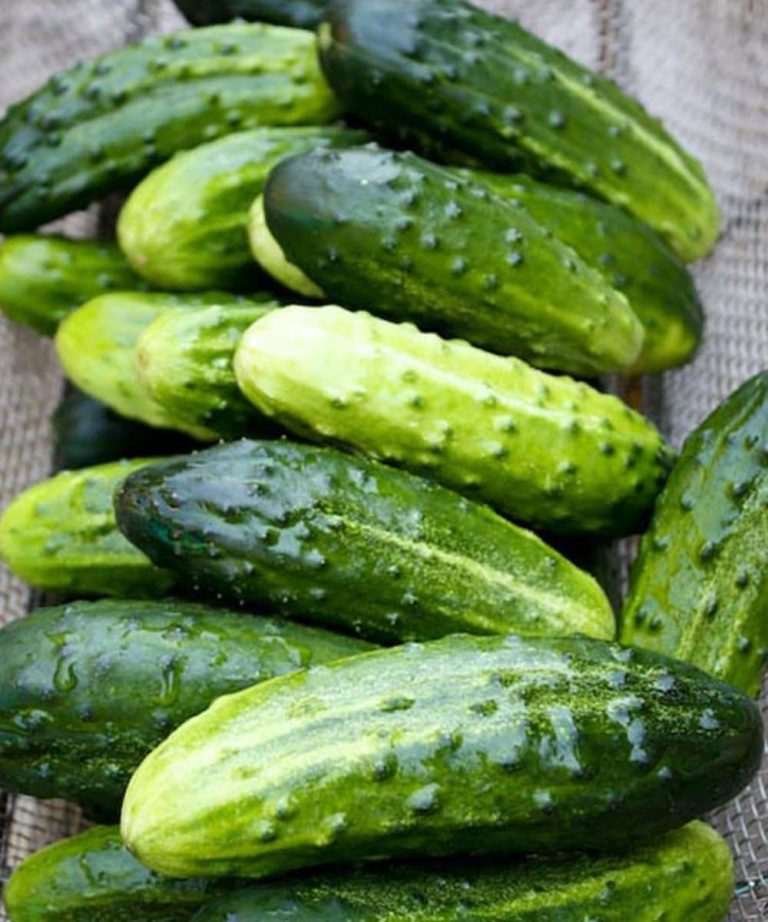
Bringing fresh vegetables from the garden straight to your kitchen table is one of the most rewarding parts of home gardening and culinary preparation. Among all garden staples, crisp, vibrant cucumbers stand out for their refreshing taste, versatility, and crunch. Whether you are planning a backyard vegetable patch, preparing homemade pickles, or tossing together a summer salad, understanding how to select, grow, and utilize fresh cucumbers is essential for every food lover.
Creating delicious culinary dishes and maintaining a thriving garden requires understanding the balance of soil health, watering schedules, and proper harvesting techniques. From picking the right varieties for pickling to mastering storage methods, this comprehensive guide provides everything you need to enjoy farm-fresh cucumbers right at home.
1. Essential Tips for Growing and Harvesting Cucumbers
The secret to a crisp, bitter-free cucumber lies in proper plant care, consistent moisture, and timely harvesting. Whether you prefer slicing cucumbers or compact pickling varieties, following best practices ensures an abundant yield.
+-------------------------------------------------------------------------------+
|                       CUCUMBER GARDENING & CARE GUIDE                         |
+------------------------------------+------------------------------------------+
| Full Sun Exposure                  | Requires 6 to 8 hours of direct sunlight |
| Consistent Soil Moisture           | Prevents bitterness and uneven growth    |
| Trellis Support                    | Keeps fruit clean and saves garden space |
| Timely Harvesting                  | Pick regularly to encourage more fruit   |
+------------------------------------+------------------------------------------+
The Importance of Water and Soil
Cucumbers consist of over 95% water, meaning they require consistent, deep watering to develop properly. Irregular watering can result in deformed fruit or a bitter taste. Pairing regular irrigation with nutrient-rich, well-draining soil gives your plants the foundation they need to flourish.
2. Step-by-Step Pickling and Preservation Techniques
If you have harvested a bountiful crop of small, bumpy pickling cucumbers, transforming them into crisp, flavorful homemade pickles is a fantastic way to preserve your harvest.
Step-by-Step Pickling Method
-
Select Fresh Cucumbers: Choose firm, blemish-free cucumbers with tight skins and small bumps for the best crunch.
-
Wash and Trim: Thoroughly rinse the cucumbers and trim a tiny sliver off the blossom end, as enzymes there can cause softening.
-
Prepare the Brine: Combine water, vinegar, salt, and your favorite pickling spices (such as garlic, dill, and mustard seeds) in a pot and heat until dissolved.
-
Pack and Pour: Pack the cucumbers tightly into clean glass jars, pour the warm brine over them until fully submerged, and seal.
-
Chill and Cure: Store the jars in the refrigerator or process them for shelf stability, allowing them to cure before tasting.
+-------------------------------------------------------------------------------+
|                      STEP-BY-STEP PICKLING WORKFLOW                           |
+-----------------------------------+-------------------------------------------+
| 1. Selection                      | Choose firm, crisp pickling cucumbers     |
| 2. Preparation                    | Wash and trim blossom ends                |
| 3. Brine Creation                 | Mix water, vinegar, salt, and spices      |
| 4. Jarring & Curing               | Submerge in brine and chill to cure       |
+-----------------------------------+-------------------------------------------+
3. Practical Tips for Selecting and Storing Cucumbers
-
Check for Firmness: Always select cucumbers that feel heavy for their size and have firm, unblemished skin without soft spots.
-
Proper Refrigeration: Store unwashed cucumbers in a breathable bag inside the crisper drawer of your refrigerator to extend their freshness.
-
Avoid Freezing: Because of their high water content, fresh cucumbers do not freeze well unless they are cooked or pickled first.
-
Use Clean Equipment: When making pickles, ensure all jars, lids, and utensils are impeccably clean to prevent spoilage.
4. Fascinating Facts About Cucumbers
-
Botanical Classification: Although treated as a vegetable in culinary dishes, cucumbers are scientifically classified as a fruit because they develop from the flower of the plant and contain seeds.
-
Ancient Cultivation: Cucumbers have been cultivated by humans for over 3,000 years, originating in South Asia before spreading throughout ancient Greece, Rome, and beyond.
-
Natural Hydration: Because they are composed mostly of water, eating cucumbers is a delicious way to help maintain daily hydration levels.
-
Pickling History: Preserving cucumbers in brine was a favored technique in ancient civilizations, prized by sailors and explorers for its long shelf life during voyages.
5. Elevating Your Culinary Skills
Mastering the art of growing and preserving fresh cucumbers opens up endless culinary possibilities for your home kitchen. Whether you enjoy them sliced fresh in summer salads or preserved as crunchy dill pickles, incorporating homegrown produce adds unbeatable flavor and satisfaction to your meals.
Enjoy the gardening journey, savor the crisp flavors, and share your homemade creations with family and friends!
Frequently Asked Questions (FAQ)
What is the difference between slicing and pickling cucumbers?
Pickling cucumbers are typically smaller, have bumpier, thicker skins, and firmer flesh designed to hold up to brining, while slicing cucumbers are larger with smoother, shinier skins.
Why do my homemade pickles turn out soft?
Pickles can soften if old cucumbers are used, if the blossom ends are not trimmed off, or if there is an improper balance of salt and vinegar in the brine.
How long do fresh cucumbers last in the refrigerator?
Whole fresh cucumbers typically last for about one week when stored properly in the crisper drawer of the refrigerator.
Can I grow cucumbers in containers on a balcony?
Yes, compact and bush cucumber varieties thrive in containers, provided they receive adequate sunlight, regular water, and a sturdy trellis or pot.
