
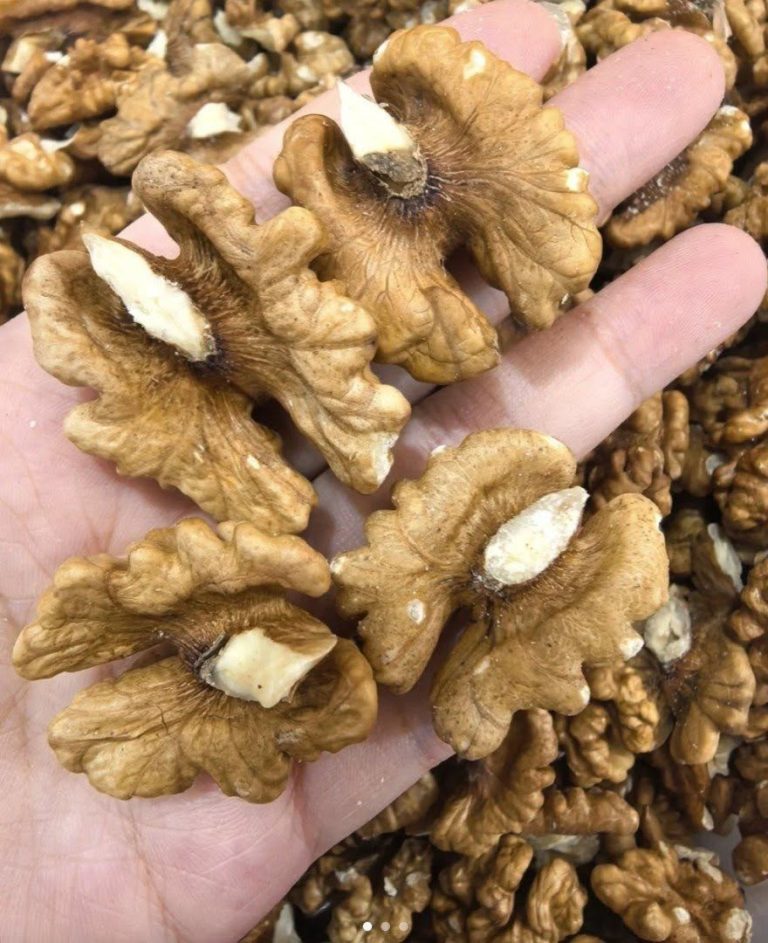
Bringing wholesome, nutrient-rich foods from the market straight to your kitchen table is one of the most rewarding parts of healthy cooking and meal preparation. Among all culinary nuts, crunchy, nutrient-dense walnuts stand out for their rich flavor, exceptional versatility, and unique brain-like appearance. Whether you are planning a healthy snack, baking homemade treats, or tossing together a fresh autumn salad, understanding how to select, store, and utilize fresh walnuts is essential for every food lover.
Creating delicious culinary dishes and maintaining a balanced, healthy lifestyle requires understanding the balance of nutritional value, proper storage methods, and versatile preparation techniques. From picking the highest quality halves to mastering storage methods to prevent rancidity, this comprehensive guide provides everything you need to enjoy premium walnuts right at home.
1. Essential Principles for Selecting and Storing Walnuts
The secret to maintaining the fresh, rich taste of walnuts lies in proper storage and quality selection. Because walnuts contain high levels of healthy polyunsaturated oils, they require careful handling to preserve their flavor.
+-------------------------------------------------------------------------------+
|                      WALNUT SELECTION & STORAGE GUIDE                         |
+------------------------------------+------------------------------------------+
| Freshness Inspection               | Check for plump halves and clean aroma   |
| Airtight Container Storage         | Protects delicate oils from oxidation    |
| Refrigeration or Freezing          | Extends shelf life and prevents rancidity|
| Balanced Daily Nutrition           | Provides healthy fats and plant protein  |
+------------------------------------+------------------------------------------+
The Role of Healthy Fats and Proper Storage
Using fresh walnuts introduces essential omega-3 fatty acids, protein, and dietary fiber into your daily diet. Storing shelled walnuts in airtight containers in the refrigerator or freezer prevents the natural oils from spoiling, ensuring your nuts stay crisp and delicious for months.
2. Step-by-Step Preparation and Culinary Uses
Achieving that signature nutty crunch and enhancing your favorite recipes depends entirely on how you prepare your walnuts. Follow these steps to get the most out of your ingredients.
Step-by-Step Method
-
Inspect and Sort: Examine your walnut halves to ensure they are clean, plump, and free of shriveled pieces.
-
Light Toasting (Optional): Gently toast the walnut halves in a dry skillet over medium-low heat for 5 to 8 minutes until fragrant to unlock deeper flavor notes.
-
Chop or Use Whole: Depending on your recipe, chop the walnuts coarsely for baking or keep them in halves for garnishing salads.
-
Incorporate into Recipes: Add them into your favorite bread doughs, oatmeal bowls, or pasta dishes.
-
Store Leftovers: Seal any remaining walnuts tightly in an airtight container and place them back in the refrigerator.
+-------------------------------------------------------------------------------+
|                      STEP-BY-STEP WALNUT PREPARATION WORKFLOW                 |
+-----------------------------------+-------------------------------------------+
| 1. Inspection                     | Check walnut halves for quality and aroma |
| 2. Toasting                       | Dry-roast gently to release natural oils  |
| 3. Preparation                    | Chop or keep whole for your specific dish |
| 4. Storage                        | Seal tightly and refrigerate to maintain  |
+-----------------------------------+-------------------------------------------+
3. Practical Tips for Flawless Results
-
Buy in Smaller Batches: Purchase walnuts in quantities you can consume within a few months to ensure optimal freshness and taste.
-
Smell Before Using: Always give shelled walnuts a quick sniff; a paint-like or bitter chemical odor indicates the oils have gone rancid.
-
Freeze for Long-Term Storage: Walnuts freeze exceptionally well, retaining their quality for up to a year when kept in freezer-safe bags.
-
Pair with Savory and Sweet Flavors: Walnuts complement everything from honey and yogurt to blue cheese, roasted vegetables, and maple syrup.
4. Fascinating Facts About Walnuts
-
Ancient Tree Nut: Walnuts are believed to be the oldest tree food known to humans, dating back to around 7,000 BC.
-
Symbol of Intelligence: Because of their striking resemblance to the human brain, ancient cultures frequently associated walnuts with brain health and cognitive enhancement.
-
Nutrient Density: Walnuts are uniquely rich in alpha-linolenic acid (ALA), a plant-based omega-3 fatty acid crucial for heart health.
-
Global Cultivation: Walnut trees thrive in temperate climates worldwide, with major production regions located across California, Europe, and Asia.
5. Elevating Your Culinary Skills
Mastering the use of versatile ingredients like walnuts opens up endless culinary possibilities for your home kitchen. Whether you enjoy them raw as a quick afternoon snack, toasted in a gourmet salad, or baked into artisanal breads, incorporating high-quality nuts adds unbeatable texture and nutrition to your meals.
Enjoy the culinary journey, savor the rich flavors, and share your homemade creations with family and friends!
Frequently Asked Questions (FAQ)
How can I tell if my walnuts have gone bad?
Rancid walnuts usually develop a sharp, bitter taste or a paint-like chemical smell due to the oxidation of their natural oils. Fresh walnuts should have a mild, nutty aroma.
Is it better to store walnuts in the refrigerator?
Yes, storing shelled walnuts in the refrigerator significantly slows down oil oxidation, keeping them fresh and crisp for much longer than storing them at room temperature.
Should I remove the thin skin on walnuts?
The bitter taste sometimes associated with walnuts comes from their papery skin (the pellicle). You can easily remove it by blanching the walnut kernels in boiling water for a minute if desired.
Can I bake with frozen walnuts directly?
Yes, you can add frozen walnuts directly into most baking recipes like muffins or cookies without needing to thaw them first.
