
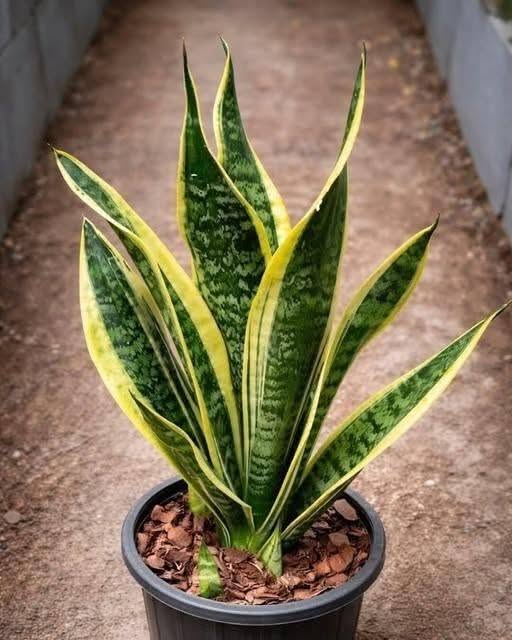
Bringing vibrant indoor greenery into your living space is one of the most rewarding parts of home décor and plant care. Among all popular houseplants, the resilient snake plant—often recognized by its striking, upright sword-like leaves edged in golden yellow—stands out for its exceptional durability, striking aesthetic, and air-purifying qualities. Whether you are an experienced indoor gardener or just starting your plant collection, understanding how to care for, propagate, and maintain a healthy snake plant is essential.
Creating a thriving indoor oasis requires understanding proper watering habits, soil composition, and light requirements. From selecting the right pot to mastering propagation techniques, this comprehensive guide provides everything you need to keep your snake plants looking vibrant and healthy right at home.
1. Essential Principles for Snake Plant Care
The secret to keeping a snake plant thriving lies in replicating its natural arid environment and avoiding over-watering. Unlike delicate tropical houseplants, snake plants are succulents that store water in their thick leaves.
+-------------------------------------------------------------------------------+
|                        SNAKE PLANT CARE & MAINTENANCE                         |
+------------------------------------+------------------------------------------+
| Indirect to Bright Sunlight        | Thrives in varied indoor lighting levels |
| Well-Draining Soil Mix             | Prevents root rot and excess moisture    |
| Infrequent Watering Schedule       | Allow soil to dry completely between uses|
| Room Temperature Stability         | Protects against cold drafts and frost   |
+------------------------------------+------------------------------------------+
The Importance of Watering and Soil Drainage
Because snake plants are prone to root rot if left sitting in wet soil, using a fast-draining cactus or succulent potting mix is crucial. Always allow the soil to dry out completely between watering sessions. During the winter months, you can reduce watering even further as the plant enters a period of dormancy.
2. Step-by-Step Propagation Techniques
Expanding your snake plant collection or sharing cuttings with friends is a simple and rewarding process. Follow these steps to successfully propagate new plants.
Step-by-Step Propagation Method
-
Select a Healthy Leaf: Choose a mature, firm, and healthy leaf from your existing snake plant.
-
Cut into Sections: Using clean, sharp shears, slice the leaf horizontally into several 2-to-3-inch segments, noting which end points down.
-
Callus the Cuttings: Let the cut edges sit in a dry, well-ventilated area for a day or two until a protective callus forms.
-
Plant in Soil or Water: Place the basal end of the cuttings into a well-draining soil mix or submerge them in a glass of clean water.
-
Wait for Roots: Keep the cuttings in bright, indirect light and watch for new roots and shoots to emerge over several weeks.
+-------------------------------------------------------------------------------+
|                      STEP-BY-STEP PROPAGATION WORKFLOW                        |
+-----------------------------------+-------------------------------------------+
| 1. Selection                      | Choose a healthy, mature leaf section     |
| 2. Cutting                        | Slice into segments and track orientation |
| 3. Callusing                      | Let edges dry and seal before planting    |
| 4. Rooting                        | Place in soil or water until roots grow   |
+-----------------------------------+-------------------------------------------+
3. Practical Tips for Flawless Results
-
Avoid Over-Watering: The number one cause of snake plant decline is too much water; when in doubt, wait longer between waterings.
-
Wipe Leaves Clean: Dust can accumulate on the broad, upright leaves, so gently wipe them down with a damp cloth to help the plant absorb light efficiently.
-
Choose Pots with Drainage Holes: Always plant your snake plant in a container with a functional drainage hole to let excess water escape.
-
Provide Adequate Light: While snake plants tolerate low-light rooms, they grow faster and display more vibrant yellow margins when placed in bright, indirect sunlight.
4. Fascinating Facts About Snake Plants
-
Natural Air Purification: Snake plants are famous for their ability to filter indoor toxins such as formaldehyde and benzene from the air.
-
Nighttime Oxygen Production: Unlike many other houseplants, snake plants perform CAM photosynthesis, meaning they absorb carbon dioxide and release oxygen during the night.
-
Extreme Resilience: Often referred to as “mother-in-law’s tongue,” these plants can survive weeks of neglect, low light, and irregular watering.
-
Botanical Reclassification: Although traditionally grouped under the genus Sansevieria, snake plants have been reclassified scientifically into the genus Dracaena.
5. Elevating Your Indoor Gardening Skills
Mastering the care of resilient plants like the snake plant opens up endless possibilities for interior green styling. Whether placed in a bedroom, office, or living room corner, their architectural lines add modern elegance to any space. By providing proper drainage, infrequent watering, and bright indirect light, you can enjoy flourishing greenery for years to come.
Enjoy the journey of indoor gardening, nurture your plants with care, and share your botanical successes with friends and family!
Frequently Asked Questions (FAQ)
Why are the leaves of my snake plant turning yellow and mushy?
Yellow, mushy leaves are a classic sign of over-watering and root rot. Allow the soil to dry out completely, and trim away any damaged roots or leaves.
How often should I water my snake plant?
During the spring and summer growing seasons, water every 2 to 4 weeks only after the soil is completely dry. In winter, reduce watering to once every 4 to 6 weeks.
Can snake plants survive in low-light offices with no windows?
Yes, snake plants are remarkably adaptable and can survive in windowless rooms under fluorescent office lighting, though they prefer bright, indirect sunlight.
Are snake plants toxic to pets?
Yes, snake plants contain saponins, which can cause mild toxicity (such as nausea or discomfort) if ingested by cats or dogs, so it is best to keep them out of reach.
