
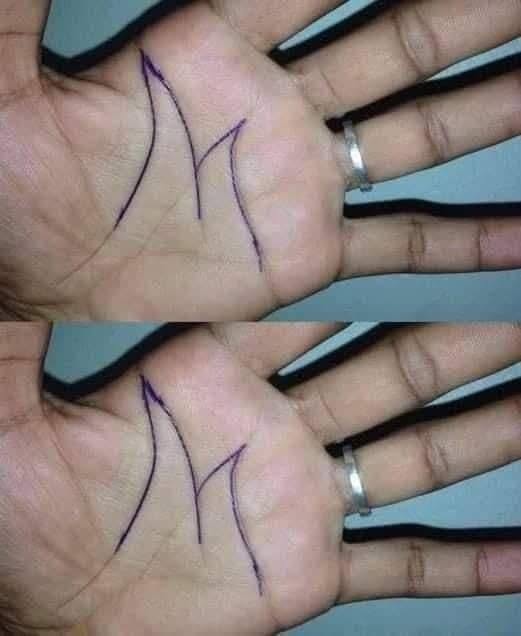
For centuries, individuals have looked to the lines, mounts, and markings on the human palm as a fascinating window into personality traits, life paths, and potential destinies. Palmistry, or palm reading, is an ancient art practiced across diverse cultures worldwide. While skeptics view it as mere folklore, enthusiasts and curious learners alike continue to explore the intricate intersections of major lines—such as the heart, head, and life lines—to uncover hidden meanings and unique physical patterns.
Understanding the Basics of Palm Reading
When examining a palm, practitioners typically focus on the primary creases formed naturally in the skin during fetal development. These lines can vary dramatically from person to person, creating distinct geometric shapes, crosses, stars, or letter-like formations.
One of the most intriguing phenomena discussed in palmistry circles is the formation of specific letters or symbols created by the intersection of major lines. When lines converge in a balanced, harmonious manner, they are often interpreted by enthusiasts as indicators of strong intuition, leadership potential, or unique personal characteristics. Exploring these patterns offers a fun and engaging way to spark conversation and self-reflection.
Step-by-Step Approach to Exploring Your Own Palm
Embarking on a personal exploration of palmistry can be an entertaining and enlightening hobby. Here is how you can begin examining your own hands:
Examining the Dominant Hand
In traditional palmistry, it is often recommended to examine both hands, with the non-dominant hand representing innate potential and inherited traits, while the dominant hand reflects current life choices, actions, and character development. Look closely under good lighting to identify major creases and any unusual intersections.
Identifying Unique Patterns and Markings
Take note of any formations that resemble letters, triangles, or crosses. Comparing your findings with classic palmistry guides can provide hours of fascinating reading and discussion among friends and family members.
Practical Tips for Exploring Palmistry Safely and Curiously
To ensure your journey into palm reading remains an enjoyable, lighthearted pastime, consider these practical recommendations:
-
Approach palmistry as a fun form of self-reflection and storytelling rather than absolute scientific prediction.
-
Compare hand lines with friends and family to see how diverse natural creases can look across different individuals.
-
Maintain a curious and open-minded attitude when discussing traditional interpretations and folklore.
-
Keep your hands clean and well-moisturized to ensure clear visibility of natural skin lines and creases.
Interesting Facts About Palmistry Traditions
-
Ancient Origins: Palmistry dates back thousands of years, with historical roots found in ancient Vedic astrology, Chinese divination, and ancient Greek philosophy.
-
Biological Development: The creases on human palms form naturally around the twelfth week of gestation, allowing the hand to flex smoothly as skin folds.
-
Cultural Popularity: Across various global traditions, unique palm markings have historically been associated with special luck, leadership qualities, or heightened intuition.
Conclusion
Exploring the ancient art of palmistry offers a captivating glimpse into human curiosity, tradition, and self-expression. Whether you are analyzing your own hand lines or sharing lighthearted discoveries with loved ones, looking closer at the details of everyday life adds a touch of wonder to our routines. Keep your sense of wonder alive and continue exploring the mysteries hidden right in the palm of your hand.
FAQ Section
What do the major lines on a palm typically represent?
In traditional palmistry, the three primary lines—the heart line, head line, and life line—are commonly associated with emotional life, intellect, and vitality respectively.
Is palmistry considered a science?
No, palmistry is classified as a pseudoscientific divination practice and form of popular entertainment rather than an empirically proven science.
Why do palm lines vary so much between individuals?
Hand lines are shaped by genetic factors and the unique ways in which human skin folds and flexes during embryonic development and lifelong hand movement.
