
Introduction
Standing in the produce aisle, staring down two seemingly identical bunches of green leafy herbs, can easily induce panic for even the most seasoned home cook. Cilantro and flat-leaf parsley look remarkably similar at first glance, leading many shoppers to accidentally grab the wrong herb and alter the flavor profile of their favorite recipes entirely.
Mastering everyday grocery shopping and picking fresh produce is much like managing your household finance or planning a sound family business strategy—attention to detail and knowing the key differentiators save you time and money. This comprehensive guide will help you easily distinguish between cilantro and parsley every single time.
The Key Differences Between Cilantro and Parsley
While both herbs belong to the same plant family (Apiaceae), they possess distinct physical and aromatic characteristics.
1. Leaf Shape and Edges
-
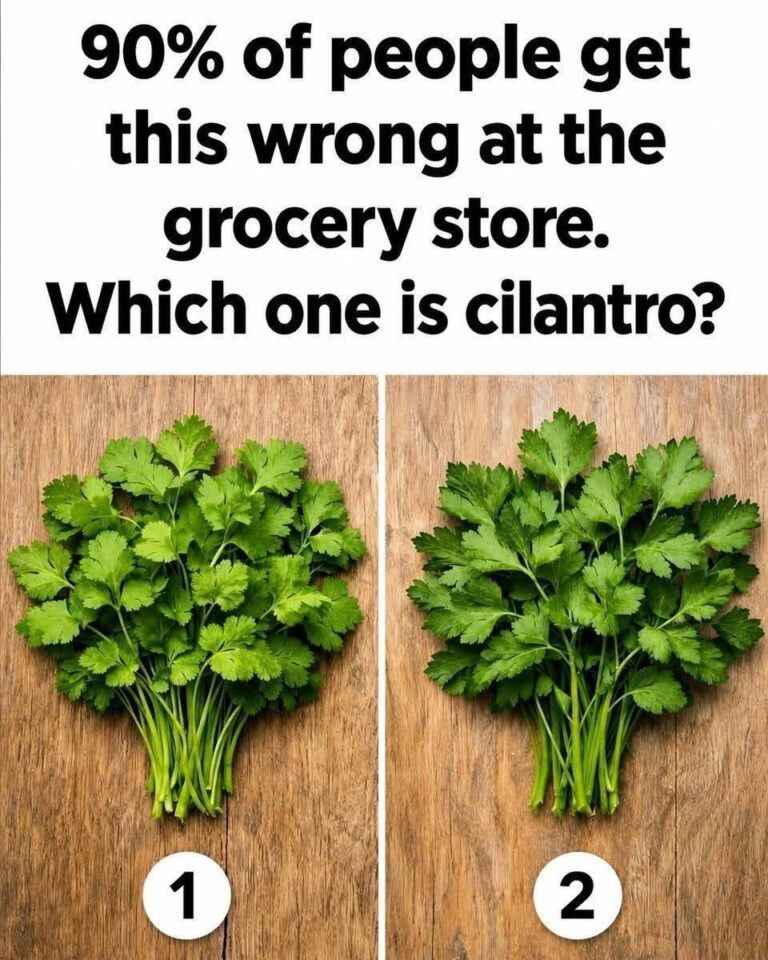
Cilantro (Number 1): The leaves of a cilantro plant feature rounded, fan-shaped lobes with distinct, softer indentations at the edges.
-
Parsley (Number 2): Flat-leaf Italian parsley features sharper, more pointed, jagged leaf tips that look somewhat like tiny maple leaves or flat triangles.
2. Color and Stem Structure
-
Cilantro: Typically exhibits a brighter, lighter green shade with softer, more pliable stems.
-
Parsley: Usually showcases a darker, richer green hue with firmer, more rigid stalks.
3. Aroma and Taste
-
Cilantro: Possesses a pungent, citrusy, and vibrant aroma. Due to a specific genetic variation, some people perceive its taste as fresh and zesty, while others experience a soapy flavor.
-
Parsley: Offers a clean, earthy, and grassy aroma with a mild, fresh peppery flavor designed to complement rather than overpower dishes.
Practical Tips for Herb Selection and Storage
-
The Sniff Test: When in doubt, gently crush a single leaf between your fingers and take a sniff; the distinct citrus punch of cilantro is unmistakable compared to parsley’s earthy scent.
-
Proper Storage: Store fresh herb bunches upright in a glass with an inch of water, loosely covered with a plastic bag in the refrigerator, to extend their freshness for over a week.
-
Culinary Application: Use cilantro primarily in fresh salsas, curries, and Mexican or Asian dishes, while reserving flat-leaf parsley for garnishes, chimichurris, and Mediterranean cooking.
Interesting Facts About Culinary Herbs
-
Ancient Roots: Both cilantro and parsley have been cultivated and used in culinary and medicinal traditions for thousands of years across ancient Egypt, Greece, and Rome.
-
Nutritional Benefits: These leafy greens are rich in vitamins A, C, and K, as well as powerful antioxidants that support overall immune health.
-
The Cilantro Gene: Approximately 4 to 14 percent of the global population possesses an olfactory receptor gene variation that makes cilantro taste like soap or dirt.
Conclusion
Never get tripped up in the produce aisle again. By looking closely at leaf shapes—rounded for cilantro and pointed for parsley—you can confidently choose the right herb for your culinary creations. Master these simple visual cues and elevate your home cooking with absolute precision!
Frequently Asked Questions (FAQ)
Which herb is shown on the left (1) in the image?
Number 1 is cilantro, identifiable by its softer, more rounded leaf edges.
Which herb is shown on the right (2) in the image?
Number 2 is flat-leaf parsley, characterized by its sharper, more jagged, pointed leaf tips.
Can cilantro and parsley be substituted for one another in recipes?
Generally, no. Their flavor profiles are vastly different—cilantro has a bold, citrusy punch, whereas parsley provides a mild, grassy, and earthy note.
