
Introduction
Incorporating nutrient-dense superfoods into your everyday meals is one of the best ways to support long-term vitality and well-being. Among the many colorful options available in the produce aisle, beets stand out as a nutritional powerhouse with a rich history of culinary and medicinal uses.
Maintaining balanced nutrition, physical wellness, and a healthy lifestyle requires thoughtful planning, much like managing your household finance or organizing a family business. This comprehensive guide explores the remarkable health benefits of beets, practical ways to prepare them, and why this vibrant root vegetable deserves a regular spot on your plate.
Nutritional Profile and Key Health Benefits
Beets are packed with essential vitamins, minerals, and plant-based compounds that offer wide-ranging health advantages.
1. Supports Heart Health
-
Beets are rich in natural nitrates, which the body converts into nitric oxide.
-
This compound helps relax and dilate blood vessels, which can assist in maintaining healthy blood pressure levels and improving overall cardiovascular function.
2. Boosts Athletic Performance
-
The nitric oxide found in beets also enhances cellular energy efficiency and oxygen uptake during physical activity.
-
Many athletes consume beetroot juice or cooked beets to improve stamina and endurance during intense workouts.
3. Rich in Antioxidants and Fiber
-
Beets contain powerful pigments called betalains, which provide potent antioxidant and anti-inflammatory properties.
-
Their high dietary fiber content supports healthy digestion, promotes gut microbiome diversity, and helps regulate blood sugar levels.
Practical Tips for Preparing and Consuming Beets
-
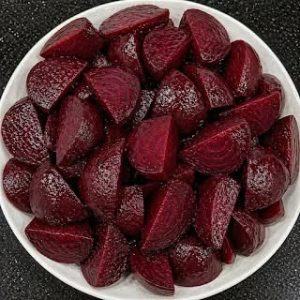
Roasting for Flavor: Roasting beet wedges whole or sliced in the oven caramelizes their natural sugars, creating a rich, sweet, and earthy flavor profile.
-
Gentle Steaming: Steaming or boiling beets helps retain their water-soluble nutrients while making them tender enough to toss into fresh salads.
-
Handling Stains: Because of their deep pigmentation, wear kitchen gloves or use stainless steel utensils when chopping beets to prevent temporary staining on your hands.
Interesting Facts About Beets
-
Ancient Roots: Beets were originally cultivated by the ancient Greeks and Romans, who primarily consumed the leafy greens while using the roots mainly for medicinal purposes.
-
Natural Food Coloring: Due to their intense red-violet pigments, concentrated beet juice is frequently used commercially as a natural food dye in various food and beverage products.
-
The “Beeturia” Phenomenon: Eating a large quantity of beets can sometimes cause urine or stools to turn a reddish or pinkish color—a harmless and entirely normal bodily reaction known as beeturia.
Conclusion
Whether you enjoy them roasted, steamed, or blended into a fresh juice, beets offer an incredible array of health benefits that can elevate your daily nutrition. Embrace this versatile root vegetable and discover how a few simple dietary adjustments can lead to a healthier, more vibrant lifestyle!
Frequently Asked Questions (FAQ)
Can you eat beet greens as well as the root?
Yes, beet greens are entirely edible, highly nutritious, and packed with vitamins A, C, and K, as well as iron and calcium.
Is it better to eat beets raw or cooked?
Both methods have benefits; raw beets preserve heat-sensitive nutrients and enzymes, while cooked beets (like the sliced wedges shown above) are easier to digest and concentrate natural flavors.
Do beets help with detoxification?
Beets contain specific plant compounds that support liver function and assist the body’s natural detoxification pathways.
