
Introduction
In the quest for radiant, youthful-looking skin, many people turn to DIY beauty treatments using common household ingredients. From kitchen pantry staples to botanical oils, homemade remedies promise an affordable alternative to commercial products. However, navigating skin health requires balancing enthusiasm for natural solutions with careful attention to dermatological science.
Managing personal wellness, skincare routines, and household investments requires a thoughtful, informed approach. This comprehensive guide explores the realities of DIY skincare trends, the science of skin aging, and safe practices for maintaining a healthy, glowing complexion.
The Science of Skin Aging and Common Remedies
As skin matures, it naturally loses elasticity, collagen, and moisture, leading to fine lines, wrinkles, and changes in pigmentation. While commercial treatments target these changes with specific active ingredients, home remedies often rely on physical exfoliation and natural oils.
Understanding DIY Ingredients
-
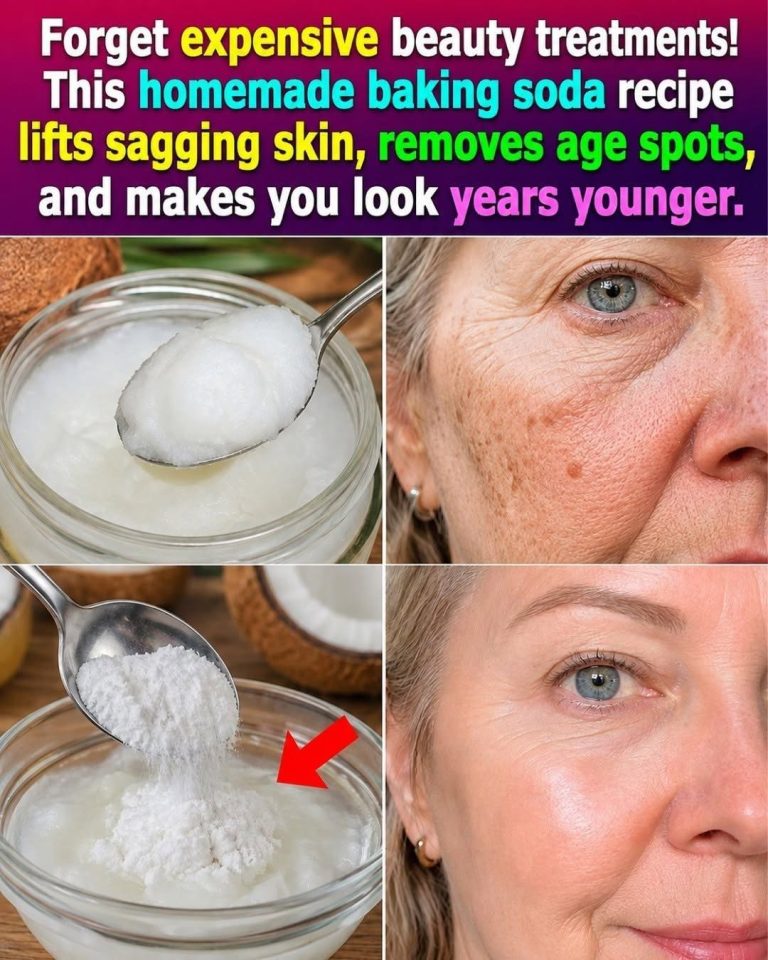
Baking Soda: Frequently used in homemade scrubs due to its fine texture, baking soda is strongly alkaline. While it acts as a mechanical exfoliant, dermatologists caution that its high pH can disrupt the skin’s natural protective acid mantle.
-
Natural Oils: Ingredients like coconut oil are often combined with pantry powders to add moisture, though heavier oils can sometimes clog pores depending on an individual’s skin type.
Practical Tips for Safe Skincare
-
Patch Testing: Always test any new DIY mixture on a small area of skin, such as your inner forearm, before applying it to your face to check for adverse reactions.
-
Protect Your Skin Barrier: Avoid harsh physical scrubs that can cause micro-tears, and opt for gentle, pH-balanced cleansers to preserve your skin’s natural moisture barrier.
-
Consult a Professional: For targeted concerns like deep wrinkles or stubborn age spots, consulting a board-certified dermatologist ensures you use safe, clinically proven treatments.
Interesting Facts About Skin Biology
-
The Skin’s Acid Mantle: Human skin naturally has a slightly acidic pH (typically between 4.5 and 5.5), which helps protect against harmful bacteria and environmental stressors.
-
Cell Turnover: Healthy skin undergoes a continuous regeneration cycle, shedding dead cells and replacing them with new ones approximately every 28 days.
-
Hydration and Elasticity: Maintaining proper internal hydration and protecting skin from UV radiation are among the most effective ways to preserve long-term skin elasticity.
Conclusion
While exploring homemade beauty recipes can be a fun way to experiment with self-care, it is essential to prioritize skin safety and respect your skin’s natural barrier. By combining smart skincare habits with expert guidance, you can achieve a healthy, vibrant complexion that lasts a lifetime.
Frequently Asked Questions (FAQ)
Can baking soda remove age spots?
Dermatologists note that while baking soda acts as an abrasive exfoliant, it does not safely or effectively remove age spots or reverse deep skin pigmentation.
Is coconut oil good for facial skin?
Coconut oil is highly moisturizing, but its high comedogenic rating means it can clog pores and lead to breakouts for many skin types.
What is the safest way to exfoliate at home?
Using gentle chemical exfoliants like AHAs or BHAs under professional guidance is generally safer and more effective than harsh physical scrubs.
