
Introduction
Throughout history, humans have developed various methods to locate essential resources like underground water, minerals, and metals. One of the most famous and enduring traditional practices is water dowsing—often referred to as divining or water witching—which involves using a Y-shaped twig or rod to search for hidden water sources.
Managing your personal property, home improvement projects, and household finance requires careful planning and reliable research. This comprehensive guide explores the fascinating history of water dowsing, how the technique is traditionally performed, and the scientific perspective behind these ancient methods.
Understanding Water Dowsing Techniques
Dowsing relies on traditional tools and intuitive practices passed down through generations.
1. The Traditional Y-Shaped Wand
-
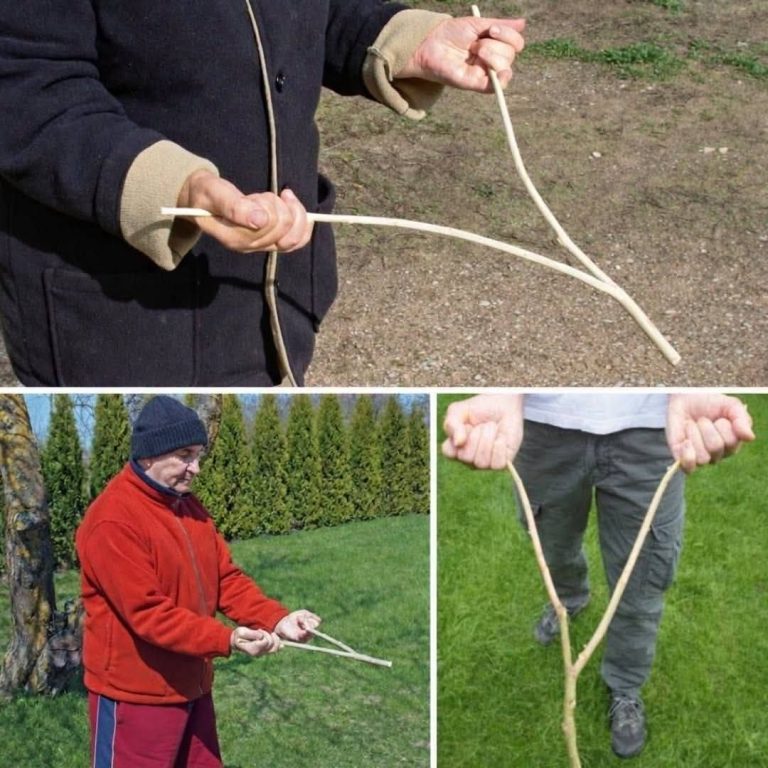
Dowsers traditionally use a freshly cut, forked branch (often from a willow or fruit tree) held firmly in both hands with palms facing upward.
-
The practitioner walks slowly across a designated area, holding the stick under tension, waiting for the branch to dip or twitch downward toward the ground.
2. Alternative Dowsing Tools
-
In addition to wooden branches, some modern practitioners use two L-shaped metal rods or a pendulum to search for underground disturbances or utilities.
Practical Tips for Property Exploration and Water Management
-
Consult Professional Hydrogeologists: If you are planning to drill a water well on your property, rely on scientific surveys, geological mapping, and professional hydrogeologists rather than traditional dowsing.
-
Modern Well Siting: Utilizing professional water locators ensures accurate depth measurements, water quality testing, and sustainable extraction rates.
-
Property Research: Keep organized records of any land surveys, utility layouts, and water permits to protect your household investments.
Interesting Facts About Dowsing
-
Ancient Origins: Depictions and descriptions of dowsing-like practices date back thousands of years across various ancient civilizations, including depictions in medieval mining literature.
-
The Ideomotor Effect: Science explains the movement of the dowsing rod as the ideomotor effect—unconscious muscular movements driven by the practitioner’s subconscious expectations.
-
Cultural Legacy: Despite a lack of scientific validation, dowsing remains a deeply rooted piece of folklore and local tradition in many rural communities worldwide.
Conclusion
While water dowsing remains a captivating piece of folklore and human history, modern science and technology provide the reliable tools needed for successful well drilling and resource management. Embrace the rich history of traditional practices while keeping your practical projects grounded in sound science!
Frequently Asked Questions (FAQ)
What is water dowsing used for?
Traditionally, dowsing has been used by individuals attempting to locate underground water veins, buried metals, gemstones, or lost objects.
Does water dowsing actually work scientifically?
Controlled scientific studies have consistently shown that dowsing performs no better than random chance, with movements usually attributed to the ideomotor effect.
What tools are commonly associated with water witching?
The most iconic tool is a Y-shaped wooden twig, though L-shaped metal rods and pendulums are also widely used by enthusiasts.
