
Introduction
Maintaining strong, healthy joints is essential for an active and pain-free lifestyle. As we age or undergo physical stress, the structures that cushion our joints—such as cartilage and bone tissues—can experience wear and tear, leading to discomfort and reduced mobility.
Managing your personal health, daily wellness routines, and household finance requires careful attention to detail and reliable habits. This comprehensive guide explores the basics of joint structure, common causes of joint degradation, and practical tips for supporting long-term mobility.
Understanding Joint Structure and Wear
Joints are complex anatomical structures designed to facilitate smooth movement and bear physical loads.
1. Cartilage and Cushioning
-
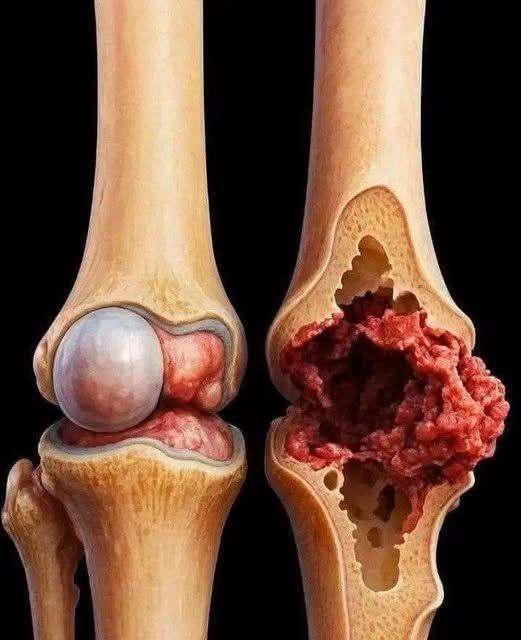
Healthy joints feature smooth cartilage that cushions the ends of bones, allowing them to glide effortlessly against one another.
-
Over time, repetitive stress, injury, or degenerative conditions can wear down this protective cartilage, leading to increased friction and joint pain.
2. Bone and Tissue Changes
-
In advanced stages of joint degeneration, the underlying bone can be affected, resulting in stiffness, inflammation, and reduced range of motion.
Practical Tips for Supporting Joint Health
-
Low-Impact Exercise: Engage in regular, low-impact activities like swimming, cycling, or walking to strengthen the muscles supporting your joints without putting excessive pressure on them.
-
Maintain a Healthy Weight: Keeping a balanced weight reduces the mechanical load on weight-bearing joints like the knees and hips.
-
Nutritional Support: Incorporate foods rich in omega-3 fatty acids, antioxidants, and essential vitamins to support overall tissue health and reduce inflammation.
Interesting Facts About Human Joints
-
Lubricating Fluid: Joints contain synovial fluid, a natural substance that nourishes the cartilage and reduces friction during movement.
-
Adaptability: Bone and cartilage are living tissues that constantly remodel themselves in response to the physical demands placed upon them.
-
Mobility Variety: The human body features different types of joints—such as hinge joints, ball-and-socket joints, and pivot joints—each specialized for specific ranges of motion.
Conclusion
Taking proactive steps to care for your joints can make a significant difference in your long-term mobility and quality of life. By staying active, eating well, and listening to your body, you can keep your joints moving smoothly for years to come!
Frequently Asked Questions (FAQ)
What causes joint cartilage to break down?
Cartilage breakdown can be caused by aging, repetitive physical stress, previous joint injuries, or inflammatory conditions.
Can joint cartilage regenerate on its own?
Unlike some other tissues in the body, adult articular cartilage has a very limited ability to repair itself once damaged because it lacks a direct blood supply.
What are the best ways to keep joints healthy as I age?
Regular low-impact exercise, maintaining a healthy weight, staying hydrated, and eating a balanced diet are key to preserving joint function over time.
