
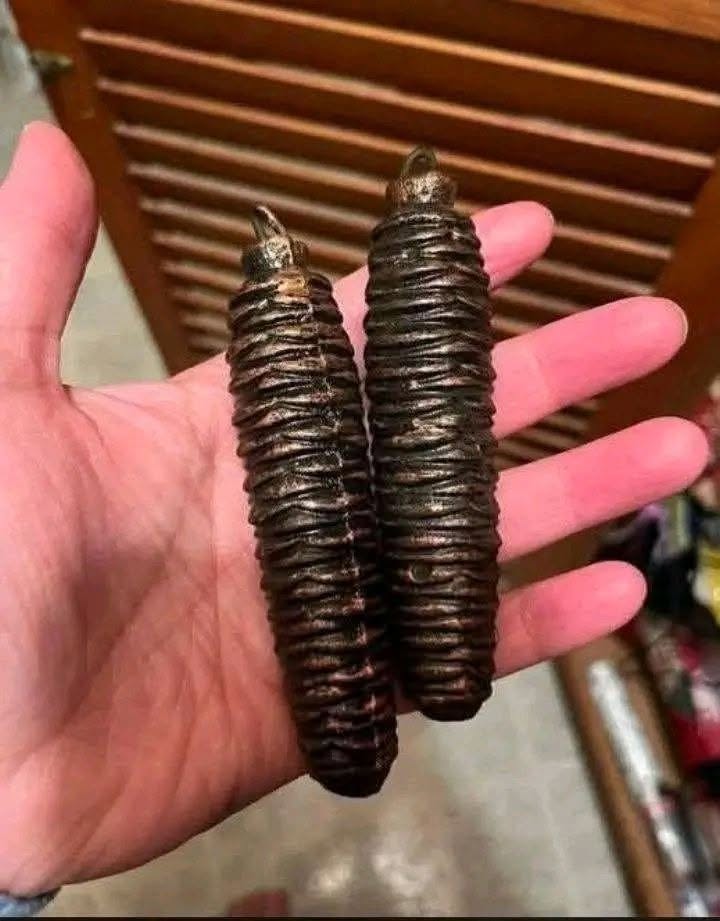
In an era dominated by digital screens, quartz movements, and automated time-keeping, antique mechanical clocks hold a unique, nostalgic charm. Among the most recognizable handcrafted timepieces in history is the traditional Black Forest cuckoo clock. Renowned for its intricate wood carvings, mechanical precision, and iconic pinecone-shaped cast iron weights, the cuckoo clock represents a centuries-old tradition of European horology.
When people clear out attics, estates, or antique shops, they often encounter mysterious, heavy metallic pinecones without immediately realizing their vital historical function. Understanding the mechanics behind gravity-driven clock weights, how to identify genuine vintage horological components, and the proper steps for cleaning and restoring antique clock parts can turn a forgotten trinket into a valuable collectible.
The Mechanical Ingenuity of Cuckoo Clock Movements
Unlike modern electronic clocks powered by lithium batteries or household electricity, traditional cuckoo clocks operate entirely on gravity and mechanical energy. The entire system relies on heavy cast iron weights pulling downward on metal chains, driving the internal gear train with consistent force.
How Weight-Driven Timekeeping Works
The functional mechanics of a traditional weight-driven clock movement rely on potential energy transferred into kinetic energy.
+---------------------------+-----------------------------------+--------------------------------------------+
| Clock Mechanism           | Primary Function                  | Associated Weight Type                     |
+---------------------------+-----------------------------------+--------------------------------------------+
| Timekeeping Movement      | Drives gear train and clock hands | Lighter cast iron pinecone weight          |
| Music / Cuckoo Call       | Powers bellow bellows & music box | Heavier cast iron pinecone weight          |
| Strike Mechanism          | Strikes hour / half-hour gongs    | Standard or heavy cast iron pinecone weight|
+---------------------------+-----------------------------------+--------------------------------------------+
As gravity pulls the cast iron pinecone weight downward, the attached chain turns a specialized gear called a sprocket. This rotational energy powers the escapement wheel, which releases small, precise increments of force controlled by the swinging pendulum.
-
1-Day Movements: Clocks with smaller, lighter weights (typically 275g to 420g) must be wound once every 24 hours by pulling the chain to reset the weights to the top position.
-
8-Day Movements: Clocks featuring larger, significantly heavier pinecone weights (typically 1250g to 1500g) store enough potential energy to keep the clock ticking for an entire week on a single pull.
Why Are Clock Weights Shaped Like Pinecones?
One of the most common questions surrounding antique clock weights is why craftspeople chose the pinecone motif over plain cylinders or decorative geometric shapes.
Symbolic Roots in the German Black Forest
The origin of the cuckoo clock traces back to the mid-18th century in the Black Forest region (Schwarzwald) of Southwestern Germany. The Black Forest was dense with evergreen pine trees, spruce trees, and rich wildlife. Local woodcarvers and clockmakers drew direct inspiration from their natural surroundings, carving clock cases with woodland themes, forest animals, oak leaves, and pinecones.
To maintain a cohesive aesthetic, blacksmiths and iron foundries cast the heavy counterweights in decorative pinecone shapes using sand molds. This iconic design became the universal hallmark of authentic Black Forest weight-driven clocks.
Identifying, Valuing, and Preserving Antique Horological Treasures
Finding original cast iron clock weights in an estate sale or home clearing can be an exciting historical discovery. Assessing their condition, authenticity, and market value requires careful evaluation.
                 +-----------------------------------+
                 |   Identify Weight Material & Grams|
                 +-----------------+-----------------+
                                   |
                                   v
                 +-----------------+-----------------+
                 |  Inspect Castings & Top Hook Loop |
                 +-----------------+-----------------+
                                   |
                                   v
                 +-----------------+-----------------+
                 |   Determine 1-Day vs. 8-Day Match |
                 +-----------------------------------+
Key Identification Indicators
-
Material Construction: Genuine antique weights are solid cast iron, making them surprisingly heavy relative to their compact size. Modern cheap reproductions often use hollow plastic or light alloy metals filled with sand.
-
Top Loop and Hook: Authentic pinecone weights feature a cast iron or brass eyelet integrated directly at the top peak. This loop allows the weight to attach securely to the clock chain hook.
-
Weight Calibration in Grams: Original weights are usually stamped or calibrated in grams (e.g., 320g, 420g, 1250g). Matching the exact required gram weight is essential; using a weight that is too heavy can wear down brass gear teeth, while a weight that is too light will cause the clock to stall.
Estate Planning, Antiques, and Household Financial Asset Management
Antiques, vintage heirlooms, and historical collectibles represent more than sentimental family history—they form part of a comprehensive household asset portfolio.
Protecting Valuable Antiques and Estate Holdings
-
Appraisals and Collectible Insurance: Rare antique horological pieces—including original 18th and 19th-century Black Forest clocks—can command high market value. Securing specialized personal property insurance ensures high-value antiques are protected against theft, fire, or accidental damage.
-
Estate Liquidation and Legal Protections: When managing an estate, consulting an attorney specializing in probate or property law helps execute wills smoothly, resolve property claims, and manage asset distribution without dispute.
-
Financial Planning and Home Equity: Integrating high-value collectibles into your overall finance strategy supports long-term wealth preservation. Whether securing a home mortgage, applying for a personal loan, or building a diversified investment portfolio for retirement, managing personal property assets thoughtfully contributes to long-term financial health.
Practical Restoration Tips: How to Clean and Restore Cast Iron Weights
If you discover rusty, dusty, or tarnished pinecone weights in storage, follow these safe, simple restoration steps to bring them back to life:
-
Gentle Cleaning: Wash the weights with warm water and mild dish soap using a soft nylon brush to remove loose dirt, dust, and spiderwebs. Avoid harsh chemical solvents that can strip original patinas.
-
Rust Removal: For surface rust, soak the cast iron weights in a solution of equal parts white vinegar and water for 1 to 2 hours. Gently scrub away lifted rust with fine steel wool (#0000 grade).
-
Drying and Protection: Dry the iron immediately using a hairdryer or clean cloth to prevent flash rusting. Apply a light coat of natural paste wax or mineral oil to seal the iron surface against atmospheric humidity.
-
Inspect the Top Hook Loop: Ensure the top mounting loop is structurally sound and free of deep cracks before hanging the weight back onto a clock chain to prevent fall damage.
Fascinating Facts About Cuckoo Clocks and Horology
-
The World’s Largest Cuckoo Clock: Located in Schonach, Germany, the world’s largest cuckoo clock features a hand-carved movement house the size of a two-story home, complete with massive cast iron weights weighing over 1,000 pounds!
-
The Whistle Mechanism: Cuckoo calls are not generated by digital speakers or mechanical bells; they are created by two small wooden bellows hidden inside the clock case that pump air through tiny organ pipes.
-
UNESCO Recognition: In 2020, traditional Black Forest clockmaking craft was officially recognized for its cultural heritage and historical contribution to European artisan craftsmanship.
Conclusion
Those heavy, dark pinecones found tucked away in old cabinets or attics are far more than decorative metal objects—they are the mechanical heartbeats of classic weight-driven clocks. By preserving these historical artifacts, understanding their gravitational role in timekeeping, and practicing careful restoration, you help keep a centuries-old tradition of artisan horology ticking for generations to come.
Frequently Asked Questions (FAQ)
How do I know how heavy my cuckoo clock weight needs to be?
Check the back plate of your clock movement or consult the manufacturer’s manual. Most movements specify the required gram weight (e.g., 275g, 320g, or 1250g) stamped directly on the brass housing.
Can I mix different weight sizes on the same clock?
No. Each chain line (time, cuckoo call, and music box) requires a specific weight calibrated for that specific gear mechanism. Using mismatched weights can cause timing inaccuracies or gear strain.
What causes a cuckoo clock to stop ticking even with weights attached?
Common causes include an uneven wall mounting (the clock must be perfectly plumb so the pendulum ticks evenly), dirty gear teeth, lack of synthetic clock oil, or using weights that are too light for the movement.
Are old cast iron pinecone weights valuable?
Yes! Original vintage and antique cast iron weights are sought after by clock restorers, antique collectors, and horologists to complete historical clock sets.
