
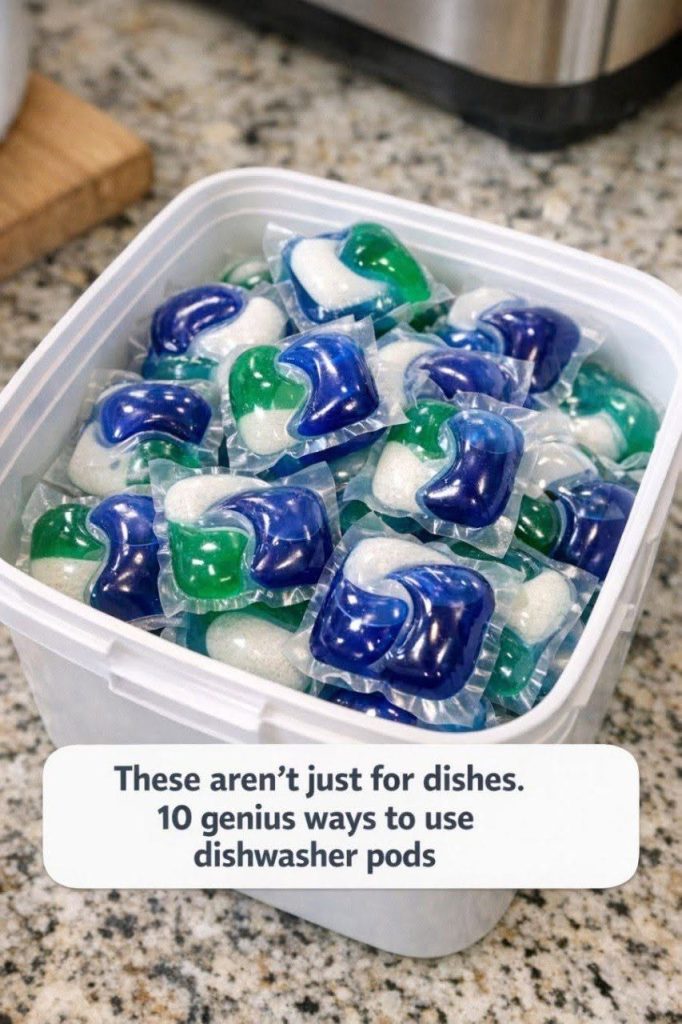
Dishwasher pods are widely recognized as convenient daily essentials for keeping kitchen tableware, glassware, and cutlery sparkling clean. Packed with concentrated surfactants, enzymes, degreasers, and water-softening agents, these small multi-chambered pacs pack a surprisingly powerful cleaning punch. However, limiting their use strictly to your dishwasher means missing out on some of the most effective cleaning shortcuts in modern household management.
From lifting stubborn baked-on grease in the kitchen to refreshing porcelain bathroom fixtures, dissolved dishwasher pods offer a versatile cleaning solution that saves time, effort, and money. Understanding the chemistry behind these concentrated tablets—along with safe application methods—can help you unlock unexpected home maintenance hacks and streamline your household cleaning routine.
The Chemistry of Cleaning: Why Dishwasher Pods Are So Effective
To understand why dishwasher pods excel at non-dishwasher cleaning tasks, it helps to look at their chemical composition. Unlike standard dish soap, which is formulated for gentle hand washing, dishwasher pod formulas are engineered to break down tough organic matter without excessive sudsing.
Key Active Ingredients in Dishwasher Pods
The multi-chamber design isolates distinct active ingredients until they dissolve in warm water.
+---------------------------+-----------------------------------+--------------------------------------------+
| Active Ingredient         | Primary Chemical Function         | Target Household Residue                   |
+---------------------------+-----------------------------------+--------------------------------------------+
| Protease & Amylase        | Enzymatic breakdown               | Starches, burnt protein, cooked-on food    |
| Sodium Percarbonate       | Oxygen-based bleaching agent      | Tough organic stains, discoloration, mold  |
| Non-Ionic Surfactants     | Lowers water surface tension      | Grease, oils, grime, and oily films        |
| Sodium Carbonate (Soda)   | Water softening & alkalinity      | Mineral deposits, hard water buildup       |
+---------------------------+-----------------------------------+--------------------------------------------+
When dissolved in hot water, these concentrated agents work synergistically to break chemical bonds in grease, lift stubborn stains, and neutralize lingering household odors.
10 Genius Household Uses for Dishwasher Pods
Transforming a single dishwasher pod into a multipurpose cleaning liquid opens up dozens of practical applications across every room in your home.
1. Deep Cleaning Scorched Pots and Baking Sheets
Burnt-on food and baked-on grease can make pots, pans, and glass baking dishes look unsalvageable. Instead of scrubbing relentlessly:
-
Place the scorched pot on your stove or counter.
-
Add 1 dishwasher pod and fill the vessel with boiling hot water.
-
Let it soak for 30 to 60 minutes.
-
Wipe away the loosened food residue effortlessly with a sponge and rinse thoroughly.
2. Degreasing Oven Racks and Stovetop Grates
Oven racks and heavy cast iron or enamel stovetop grates gather baked-on grease and carbonization that standard dish soap cannot budge.
-
Line your bathtub or a large storage container with an old towel to prevent scratching.
-
Place the greasy racks on top of the towel.
-
Fill the tub with enough hot water to submerge the racks completely.
-
Dissolve 2 dishwasher pods in the water and let the racks soak for 2 to 4 hours.
-
Rinse clean with warm water—the grease wipes off without hard wire-brushing!
3. Deodorizing and Scrubbing the Kitchen Sink and Garbage Disposal
Kitchen sinks accumulate invisible layers of food oils, bacteria, and hard water scale.
-
Plug your sink basin and fill it halfway with warm water.
-
Drop in a dishwasher pod and allow it to dissolve completely.
-
Dip a scrub brush into the solution to clean the faucet, sink walls, and drain flange.
-
Unplug the sink and let the soapy water run through your garbage disposal to clear lingering odor-causing sludge inside the grinding unit.
                  +-----------------------------------+
                  |   Dissolve Pod in Hot Water       |
                  +-----------------+-----------------+
                                    |
                                    v
                  +-----------------+-----------------+
                  |  Enzymes Lift Grease & Organics   |
                  +-----------------+-----------------+
                                    |
                                    v
                  +-----------------+-----------------+
                  |  Easy Wipe-Down & Rinse Clean     |
                  +-----------------------------------+
4. Restoring Stained Coffee Carafes and Teapots
Coffee oils and tea tannins leave dark brown ring stains inside glass carafes and stainless steel thermal travel mugs. Drop a single dishwasher pod into the carafe, fill it with boiling water, let sit for 15 minutes, and rinse. The oxygen bleach formula completely restores stained stainless steel and glass without scrubbing.
5. Cleaning Grout Lines and Tile Floors
Dull tile grout absorbs floor dirt, spills, and floor wax buildup. Dissolve 1 pod in a bucket of 1 gallon of hot water. Dip a stiff-bristled tile brush into the mixture, scrub along the grout lines, let sit for 5 minutes, and mop clean with clear water to reveal bright, restored grout.
6. Removing Hard Water Rings from Toilet Bowls
For stubborn toilet bowl ring stains and hard water scale, drop 1 dishwasher pod directly into the toilet bowl water. Allow it to dissolve and sit for 30 to 45 minutes. Use your toilet brush to scrub the bowl walls; the concentrated enzymes and builders effortlessly dissolve mineral rings and discoloration.
7. Refreshing Plastic Patio Furniture
Outdoor resin chairs, plastic tables, and vinyl playground equipment gather mildew, pollen, and airborne grime over winter. Dissolve 1 pod in a bucket of warm water, wipe down the furniture with a microfiber towel, and hose off for a like-new finish.
8. Removing Grease Stains from Driveways and Garage Floors
Motor oil and lawnmower grease drips on concrete driveways can be difficult to lift. Dampen the concrete stain, crush or dissolve a pod into a thick paste with a few drops of water, spread it over the oil spot, and scrub with a push broom. The concentrated surfactants pull oil out of porous concrete.
9. Washing Garbage Cans and Recycling Bins
Outdoor trash bins collect liquid leaks and foul odors. Pour hot water into the bin, drop in a dishwasher pod, let sit for 20 minutes, slosh the soapy water around the sides, and tip out. It neutralizes lingering trash odors instantly.
10. Deep Cleaning Washing Machine Drums
Front-load and top-load washing machines build up soap scum, fabric softener residue, and odor-causing bacteria over time. Place 1 or 2 dishwasher pods directly into the empty drum and run a high-heat cleaning cycle. The grease-cutting enzymes thoroughly dissolve hidden residue behind the tub walls.
Home Maintenance, Property Value, and Financial Protection
Keeping your home properly cleaned and maintained is more than a daily chore—it directly protects your household investment and long-term financial health.
Protecting Your Real Estate and Household Assets
Maintaining fixtures, appliances, and flooring extends their lifespan and safeguards your overall household finance planning.
-
Home Value and Real Estate Equity: Well-maintained homes with clean tile, stainless steel, and functional appliances retain higher property appraisal values. If you plan to refinance your mortgage, secure a home equity loan, or apply for personal credit, maintaining your property’s physical condition preserves valuable home equity.
-
Avoiding Unnecessary Replacement Costs: Proper maintenance of garbage disposals, washing machines, and stovetops prevents costly appliance breakdowns, saving money that can be directed into investment funds, education savings, or retirement accounts.
-
Home Insurance and Maintenance Protections: Preventing heavy grease buildup on stovetops and exhaust hoods lowers domestic fire risks. Maintaining safe household habits protects your home insurance policy standing and reduces emergency liability claims.
Important Safety Guidelines and Precautions
While dishwasher pods are exceptionally useful, exercising proper handling safety is essential.
-
Wear Gloves During Extended Use: Dishwasher pod chemicals are highly concentrated and alkaline, which can strip natural oils from your skin and cause mild irritation during prolonged contact. Wear protective rubber gloves.
-
Never Mix with Bleach or Ammonia: Never mix dishwasher pods with other household chemicals, particularly chlorine bleach or ammonia, as this can generate hazardous chemical fumes.
-
Keep Out of Reach of Children and Pets: Pods look colorful and squishy, making them an accidental ingestion hazard for young children and pets. Always store them securely in their original child-resistant container on a high shelf.
-
Avoid Delicate Materials: Do not use dishwasher pod solutions on delicate soft metals like raw aluminum, solid copper, real silver, or unsealed wood surfaces, as the strong alkaline formulation can cause tarnishing or finish damage.
Fascinating Facts About Dishwasher Pods
-
The Soluble Film Secret: The clear film wrapping around dishwasher pods is made of Polyvinyl Alcohol (PVA or PVOH)—a water-soluble, biodegradable polymer that completely dissolves in water without leaving plastic residue behind.
-
Pre-Measured Efficiency: Studies show that pre-measured dishwasher pods reduce detergent waste by up to 30% compared to traditional liquid gels or powders, which consumers frequently overdose.
-
Low-Foaming Engineering: Unlike regular liquid dish soap, which creates abundant foam that can overflow washing machines or dishwashers, dishwasher pods contain anti-foaming agents that allow high-pressure mechanical cleaning without messy suds overload.
Conclusion
Dishwasher pods are one of the most versatile, concentrated cleaning tools in your household supply closet. By utilizing their grease-cutting enzymes, oxygen bleach, and water softeners on non-dish items—from burnt cookware and oven grates to grout lines and washing machines—you can simplify your home maintenance routine, save money on specialty cleansers, and keep your living spaces in pristine condition.
Frequently Asked Questions (FAQ)
Can I use a dishwasher pod in my clothes washing machine?
Yes, for periodic machine deep-cleaning cycles when the drum is empty. However, do not use them regularly to wash everyday clothing, as the concentrated enzymes and bleach can fade delicate fabrics or irritate sensitive skin.
Will a dissolved dishwasher pod damage porcelain bathtubs?
No, porcelain and ceramic bathtub surfaces handle dissolved pod solutions very well. However, avoid using them on acrylic tubs, fiberglass surrounds, or natural stone tile like marble or granite.
Why shouldn’t I use regular Dawn dish soap in a dishwasher?
Regular liquid dish soap creates massive foam suds that will quickly overflow your dishwasher onto your kitchen floor, potentially causing water damage. Pods contain low-foaming agents specifically designed for mechanical water spraying.
How do I store dishwasher pods to keep them from sticking together?
Store pods in a cool, dry place inside an airtight, child-resistant plastic container. Moisture or high humidity in the air causes the PVA film to dissolve prematurely, making the pods clump together.
