
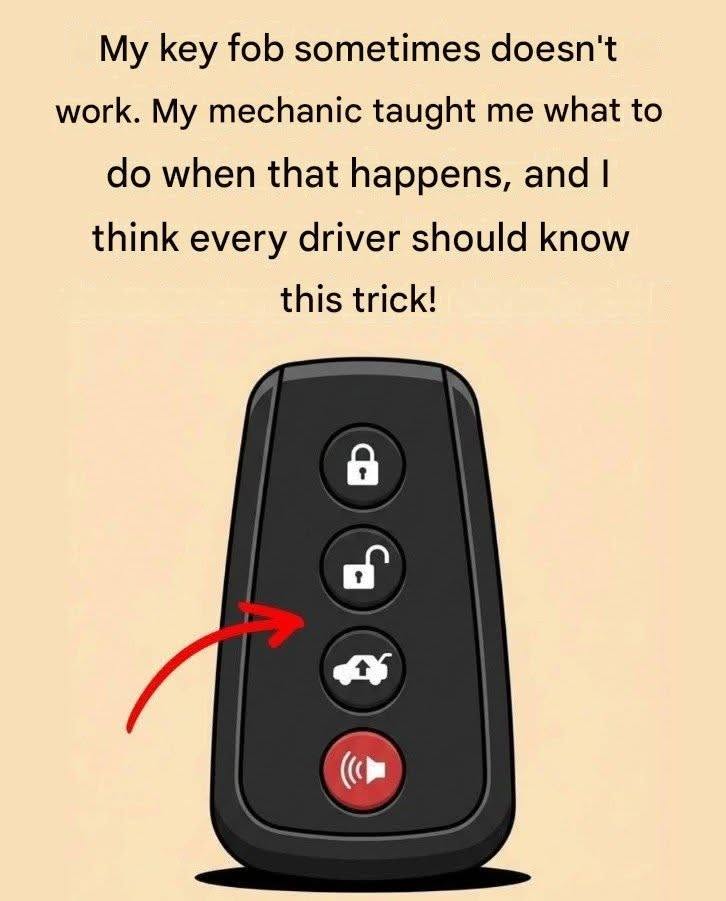
Modern automotive technology has made entering and starting vehicles practically effortless. Keyless entry systems and push-button ignition ignition fobs allow drivers to unlock doors, open trunks, and start engines without taking their keys out of a pocket or purse. However, when a key fob battery unexpectedly dies or experiences signal interference, it can leave drivers feeling stranded and stressed.
Fortunately, car manufacturers design key fobs and ignition systems with built-in physical backups and passive emergency protocols. Understanding how your key fob functions—and learning the simple mechanics behind emergency vehicle starting—ensures you will never be left locked out or stranded due to a dead key fob battery.
How Key Fobs Work and Why They Fail
Key fobs communicate with a vehicle’s internal computer using low-power radio frequency (RF) signals. While highly reliable, several factors can disrupt this signal or prevent the system from recognizing the fob.
Common Reasons Key Fobs Stop Responding
+---------------------------+-----------------------------------+--------------------------------------------+
| Potential Cause           | Common Symptoms                   | Immediate Solution                         |
+---------------------------+-----------------------------------+--------------------------------------------+
| Dead Coin Cell Battery    | Slow response, low range, red light| Replace CR2032 or CR2025 lithium battery  |
| Signal Interference       | Works in some areas, not others   | Hold fob directly against start button    |
| Unsynced / Unpaired Fob   | Buttons do not lock/unlock doors  | Manual re-pairing sequence or dealer reset |
| Damaged Internal Contacts | Intermittent failure when pressed | Clean contact pads or replace fob casing  |
+---------------------------+-----------------------------------+--------------------------------------------+
When the internal battery drains below the required voltage threshold, the active RF transmitter stops sending the strong signal needed to unlock doors or authorize push-button start.
The Hidden Features Inside Your Key Fob
Most drivers are unaware that even when a key fob battery is completely dead, the fob still contains physical and passive mechanisms to get you into your vehicle and on the road.
1. The Concealed Physical Mechanical Key
Almost every keyless entry key fob contains a physical metal emergency key blade hidden inside the plastic housing.
-
Look for a small release catch, slider switch, or push button on the side or back of the key fob.
-
Slide the catch to release and pull out the concealed mechanical key blade.
-
Insert the mechanical key into the driver’s door lock cylinder (if the lock cylinder is hidden under a plastic decorative cover, slide the key blade into the slot under the door handle cap to pop off the cover).
2. The RFID Passive Backup System
Push-button start vehicles are equipped with a passive Radio Frequency Identification (RFID) reader built near the ignition button or steering column. This system does not require battery power from the key fob to function.
                 +-----------------------------------+
                 | Release Concealed Physical Key    |
                 +-----------------+-----------------+
                                   |
                                   v
                 +-----------------+-----------------+
                 |  Unlock Driver Door Manually      |
                 +-----------------+-----------------+
                                   |
                                   v
                 +-----------------+-----------------+
                 | Press Start Button WITH Fob Body  |
                 +-----------------------------------+
-
Press the Start Button directly WITH the Key Fob: Instead of pressing the Start/Stop button with your finger, touch the top or back of the key fob directly against the Start button while depressing the brake pedal.
-
Hidden Backup Key Slots: Some vehicles (such as certain Ford, GM, or European models) feature a designated backup slot inside the center console, glove box, or cup holder. Inserting the dead key fob into this slot allows the vehicle to read the embedded transponder chip directly and start the engine.
Vehicle Maintenance, Auto Ownership, and Smart Financial Planning
Maintaining your vehicle in top operational shape protects both your personal safety and your household budget.
Protecting Your Transportation and Household Budget
Automotive reliability plays a significant role in overall family finance management and asset preservation.
-
Preventing Emergency Service Costs: Knowing how to manually unlock and start your car prevents unnecessary roadside assistance fees, towing costs, or expensive emergency locksmith callouts, keeping your daily budget intact.
-
Auto Loans, Mortgages, and Credit: Keeping up with routine vehicle maintenance ensures long-term transportation stability. Whether budgeting for a new car loan, managing a home mortgage, or maintaining a strong credit rating, avoiding unexpected vehicle emergencies protects your investment goals and retirement savings.
-
Comprehensive Auto Insurance: Maintaining adequate vehicle insurance coverage provides a financial safety net against theft, collision damage, or vandalism. Be sure to check if your auto insurance policy includes complimentary roadside assistance or battery replacement services.
How to Change a Key Fob Battery in 4 Easy Steps
Replacing a dead key fob battery is a quick DIY task that costs only a few dollars and takes under five minutes.
-
Step 1: Identify the Battery Type: Most key fobs use standard coin cell lithium batteries, usually models CR2032 or CR2025. Check your owner’s manual or look at the stamp on the old battery.
-
Step 2: Pry Open the Fob Casing: Insert the tip of a flathead screwdriver or the physical key blade into the seam notch along the side of the key fob and gently twist to snap the two plastic halves apart.
-
Step 3: Swap the Battery: Carefully pop out the old coin battery and insert the new one, ensuring the positive (+) side faces in the correct direction.
-
Step 4: Snap the Casing Back Together: Align the front and back plastic shells and squeeze them firmly until they click back into place. Test the buttons to ensure proper function.
Fascinating Facts About Automotive Keys
-
The Evolution of Transponder Chips: Anti-theft transponder chips were first introduced in the mid-1990s. Before transponders, thieves could hotwire cars by simply bypassing the mechanical ignition lock cylinder.
-
Rolling Code Technology: Modern digital key fobs use “rolling codes” that change the encrypted radio signal every single time a button is pressed, preventing thieves from capturing and duplicating your key signal.
-
Faraday Cage Protection: Drivers who worry about signal-relay car theft can store their key fobs inside a lined Faraday pouch, which blocks all incoming and outgoing radio frequencies when the key is inside the house.
Conclusion
A dying key fob battery does not have to leave you stranded or panicked. By using the hidden mechanical key to unlock your vehicle and placing the fob directly against the start button, you can reliably start your engine and get on your way. Keeping spare coin cell batteries at home or in your glove box ensures seamless keyless driving wherever you go[cite: 9].
Frequently Asked Questions (FAQ)
Will setting off the alarm happen when I manually unlock my car with the physical key?
Yes, if the alarm system was armed electronically, unlocking the door manually with the physical key blade may trigger the vehicle alarm. Starting the engine using the passive fob trick will immediately turn off the alarm.
How long does a standard key fob battery last?
On average, a key fob battery lasts between 3 to 4 years under normal daily usage. Smart key fobs that constantly broadcast proximity signals may drain batteries slightly faster.
Why is my key fob light flashing, but the doors won’t unlock?
A flashing LED light on the fob indicates the buttons are functioning, but the signal may be blocked by radio interference, or the car’s 12V main battery might be drained.
Can I reprogram a new key fob myself?
Some older vehicles allow manual DIY programming sequences (turning the ignition key on and off in sequence). However, most modern push-button start vehicles require professional programming using specialized diagnostic software at an automotive locksmith or dealership.
