
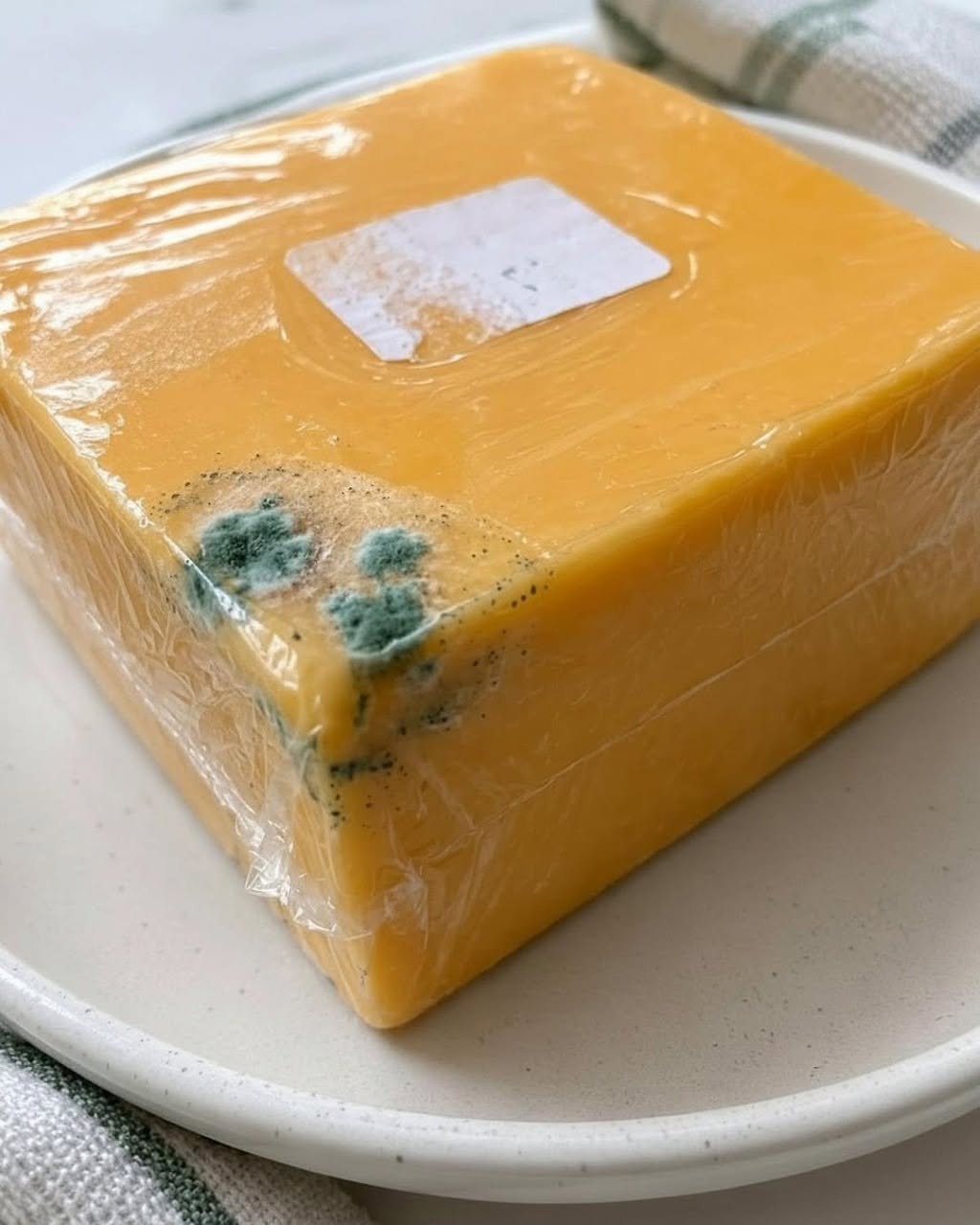
Discovering a spot of fuzzy green or white mold on a block of cheese stored in your refrigerator is a common kitchen dilemma. With food prices rising, throwing away an entire block of expensive cheese can feel wasteful. However, eating moldy food can pose real health risks if you don’t know the crucial safety rules governing dairy products.
Understanding the biological differences between hard and soft cheeses, how mold spores penetrate food, and proper storage practices can help you prevent food waste while protecting your family’s health.
Hard Cheese vs. Soft Cheese: The Golden Safety Rule
Food safety experts and agricultural health authorities follow a clear rule when determining whether moldy cheese can be saved or must be discarded immediately.
+---------------------------+-----------------------------------+--------------------------------------------+
| Cheese Type               | Moisture Level & Texture          | Action Required when Mold Appears          |
+---------------------------+-----------------------------------+--------------------------------------------+
| Hard / Semi-Hard Cheeses  | Low moisture, dense structure     | Trim 1 inch around/below mold spot      |
| Soft / Shredded Cheeses   | High moisture, porous structure   | Discard entire package immediately         |
+---------------------------+-----------------------------------+--------------------------------------------+
1. Hard and Semi-Hard Cheeses (Safe to Save)
Cheeses such as Cheddar, Swiss, Parmesan, Gouda, and Colby have a very low moisture content and a dense physical structure. Because of this density, mold hyphae (the microscopic root-like threads that mold grows into food) cannot easily penetrate deep beyond the surface.
-
How to Save It: Cut away at least 1 inch (2.5 cm) around and below the mold spot. Keep the knife clean and clear of the mold itself to prevent cross-contaminating the fresh cheese block as you slice. Re-wrap the remaining clean cheese block in fresh parchment paper or clean plastic wrap.
2. Soft, Shredded, and Crumbled Cheeses (Must Be Tossed)
Cheeses such as Cream Cheese, Cottage Cheese, Ricotta, Brie, Camembert, Feta, goat cheese, as well as all shredded or sliced cheeses, have high moisture levels. Mold roots and invisible bacterial growth spread rapidly throughout high-moisture foods, making it impossible to trim away safely.
Why Mold Grows on Cheese and Health Risks to Know
Mold spores exist naturally in the air around us. When introduced to moisture, oxygen, and organic nutrients—such as dairy proteins—they begin to germinate and form visible colonies.
                 +-----------------------------------+
                 | Identify Cheese Type & Moisture   |
                 +-----------------+-----------------+
                                   |
                                   v
                 +-----------------+-----------------+
                 | Inspect Mold Growth Area & Depth  |
                 +-----------------+-----------------+
                                   |
                                   v
                 +-----------------+-----------------+
                 | Execute Safe Trimming or Discard  |
                 +-----------------------------------+
Potential Health Risks of Ingesting Unsafe Mold
-
Mycotoxins: Certain mold species produce toxic chemical substances called mycotoxins, which can cause acute digestive distress or long-term health complications if consumed regularly.
-
Harmful Bacteria: Mold growth in soft dairy products frequently accompanies harmful foodborne bacteria such as Listeria, E. coli, and Salmonella.
-
Allergic Reactions: Spores from surface mold can trigger respiratory allergic reactions or asthma flare-ups in sensitive individuals.
Household Economics, Smart Grocery Budgeting, and Financial Planning
Preventing unnecessary food waste and managing kitchen efficiency directly supports smart household economics.
Protecting Your Household Budget and Assets
Adopting effective grocery management techniques contributes to overall household finance stability and long-term spending efficiency.
-
Stretching Your Grocery Budget: Learning how to salvage hard cheeses safely prevents premature food disposal, helping stretch your weekly food budget and lowering inflation costs.
-
Preventing Medical Expenses: Following strict food safety protocols reduces the risk of foodborne illness, preventing unnecessary doctor visits or emergency medical bills that can strain your personal finances.
-
Long-Term Financial Security: Small daily savings on household groceries free up valuable income to allocate toward your home mortgage, personal investment accounts, higher education funds, or retirement savings strategies.
-
Legal and Property Protections: Working with an attorney to establish clear estate documentation ensures your overall financial and physical assets remain protected for future generations.
5 Practical Tips to Prevent Mold on Cheese
Proper storage techniques drastically slow down mold growth and extend the shelf life of your dairy products:
-
Wrap in Cheese Paper or Parchment Paper: Plastic wrap traps moisture against the cheese surface, creating an ideal breeding ground for mold. Wrapping cheese in breathable cheese paper or parchment paper allows it to breathe while preventing drying out.
-
Store in the Vegetable Crisper Drawer: Place wrapped cheese inside your refrigerator’s vegetable crisper drawer, where temperature and humidity levels remain consistent.
-
Avoid Touching Cheese with Bare Hands: Natural oils and bacteria from human hands transfer onto the surface of cheese during handling, speeding up spoilage. Hold cheese with clean wax paper or wear gloves when slicing.
-
Clean Your Refrigerator Regularly: Wipe down refrigerator shelves and drawers with a diluted vinegar solution to kill stray mold spores floating in cold air.
-
Freeze Extra Cheese: Hard cheeses can be shredded and frozen in airtight freezer bags for up to 6 months for cooking and melting applications without quality loss.
Fascinating Facts About Mold and Cheese
-
Intentional Molds: Not all mold on cheese is bad! Beneficial mold strains such as Penicillium roqueforti and Penicillium camemberti are intentionally cultivated to produce famous cheeses like Blue Cheese, Roquefort, Brie, and Camembert.
-
The Discovery of Penicillin: Alexander Fleming famously discovered the life-saving antibiotic penicillin in 1928 after a petri dish containing staphylococcus bacteria was accidentally contaminated by a stray green mold spore (Penicillium rubens).
-
Historical Cheese Preservation: Before refrigeration was invented, ancient cheesemakers coated hard cheese wheels in beeswax, lard, or salt crusts to shield the interior cheese from unwanted atmospheric mold and bacteria.
Conclusion
Discovering mold on cheese doesn’t always mean your food has to go straight to the trash. By following the golden rule—trimming hard cheeses safely by 1 inch while immediately discarding moldy soft or shredded cheeses—you can minimize household food waste while keeping your family safe and healthy[cite: 13].
Frequently Asked Questions (FAQ)
Can I eat the mold on Brie or Camembert rind?
Yes! The white blooming rind on cheeses like Brie and Camembert is created by safe, edible cultured mold (Penicillium camemberti) that gives these soft cheeses their signature creamy texture and flavor.
What happens if I accidentally eat a small piece of moldy cheese?
In most healthy individuals, accidentally consuming a small amount of mold will cause no severe harm beyond minor stomach upset or nausea. However, monitor for persistent symptoms or allergic reactions.
Does cooking or melting cheese kill mold?
While high heat kills live mold spores, it does not destroy heat-resistant toxins (mycotoxins) that mold may have already produced. Never rely on cooking to make moldy soft cheese safe.
Why does shredded cheese mold faster than block cheese?
Shredded cheese has significantly more surface area exposed to oxygen and moisture, creating ideal conditions for mold spores to attach and spread quickly throughout the bag.
