
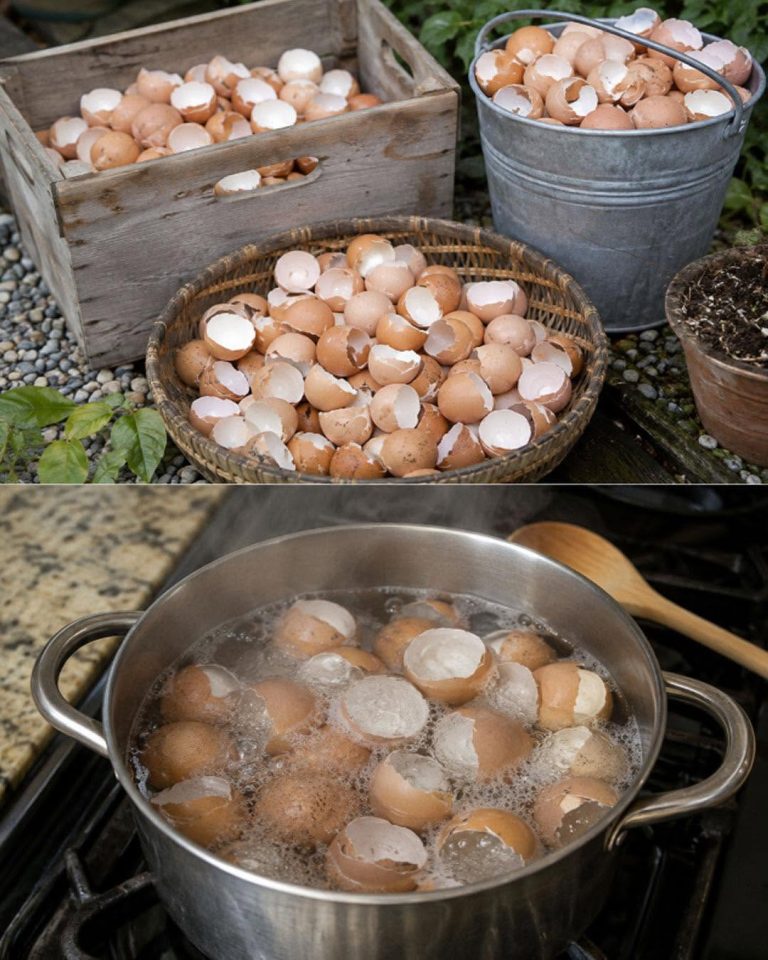
Eggshells are one of the most frequently discarded kitchen scraps in modern households. Every morning, millions of crushed shells end up directly in the trash or garbage disposal. However, these humble kitchen remnants are actually a rich, natural reservoir of bioavailable calcium carbonate, trace minerals, and organic nutrients.
Boiling eggshells before utilizing them in your garden or home is the essential secret weapon used by seasoned organic gardeners and homesteaders. Understanding why boiling eggshells unlocks their true nutrient potential—and how to apply them across your garden, compost, and household—can transform everyday waste into a valuable, eco-friendly resource.
Why You Should Always Boil Eggshells First
While tossing raw eggshells directly onto garden soil might seem convenient, raw shells break down extremely slowly and pose health risks. Boiling eggshells serves three crucial purposes:
+---------------------------+-----------------------------------+--------------------------------------------+
| Processing Method         | Benefits                          | Safety & Efficiency Impact                 |
+---------------------------+-----------------------------------+--------------------------------------------+
| Boiling Water Treatment   | Sterilization & pathogen kill     | Eliminates Salmonella & harmful bacteria   |
| Heat Infusion (Egg Tea)   | Accelerates mineral extraction    | Makes calcium immediately bioavailable     |
| Oven Baking / Drying      | Easy crushing & fine powdering    | Enhances soil absorption speed             |
+---------------------------+-----------------------------------+--------------------------------------------+
1. Sterilization and Pathogen Elimination
Raw eggshells frequently harbor harmful bacteria, including Salmonella, which can linger in soil and transfer to fresh garden vegetables or family hands during harvest. Boiling shells in hot water for 10 to 15 minutes completely sterilizes them.
2. Fast-Tracking Mineral Extraction
The hard outer shell consists of over 90% calcium carbonate. Unboiled, whole shells can take up to several years to decompose in soil. Boiling breaks down structural protein membranes, releasing vital calcium and magnesium into the liquid to create a potent, plant-ready fertilizer tea.
How to Make Liquid Eggshell Calcium Tea for Garden Plants
Making homemade calcium water is a simple, cost-effective way to boost soil fertility, prevent blossom end rot in tomatoes, and strengthen plant cell structures.
                 +-----------------------------------+
                 | Boil Clean Eggshells in Water     |
                 +-----------------+-----------------+
                                   |
                                   v
                 +-----------------+-----------------+
                 | Cool & Steep Overnight (24 Hrs)   |
                 +-----------------+-----------------+
                                   |
                                   v
                 +-----------------+-----------------+
                 | Strain Liquid & Water Vegetables  |
                 +-----------------------------------+
Step-by-Step Instructions
-
Rinse and Collect: Save eggshells in a clean container until you have gathered 10 to 20 shells.
-
Boil the Shells: Place the shells into a large stainless steel pot, cover with 1 gallon of water, and bring to a rolling boil for 15 minutes.
-
Steep Overnight: Turn off the heat and allow the pot to steep at room temperature for 12 to 24 hours to maximize mineral concentration.
-
Strain and Apply: Strain out the solid shell fragments and pour the calcium-rich water directly around the roots of heavy-feeding plants like tomatoes, peppers, eggplants, and roses.
Household Economics, Property Value, and Financial Savings
Utilizing sustainable household hacks like homemade fertilizer contributes to smarter home management and long-term financial health.
Protecting Your Family Budget and Home Assets
Adopting eco-friendly homesteading practices supports overall household finance planning and smart spending habits.
-
Slashing Gardening and Store-Bought Fertilizer Costs: Making organic calcium tea and slow-release soil additives from recycled kitchen waste eliminates the need for expensive commercial fertilizers, keeping your seasonal household budget lean.
-
Real Estate Value and Curb Appeal: Healthy, vibrant home landscaping, garden beds, and lawns enhance overall property appeal. Maintaining home curb appeal preserves property appraisal value if you plan to secure a home mortgage, refinance loan terms, or apply for personal credit.
-
Wealth Preservation and Long-Term Goals: Small everyday savings on home maintenance and gardening accumulate over time, freeing up capital for sound investment strategies, education funds, or retirement savings portfolios.
5 Genius Uses for Boiled and Crushed Eggshells
Beyond liquid calcium tea, dried and crushed boiled eggshells serve multiple practical uses around the home and yard:
-
Preventing Blossom End Rot: Mix finely ground eggshell powder into the planting hole before setting out tomato, pepper, or squash seedlings to ensure a steady supply of calcium as fruits form.
-
Natural Pest Deterrent: Scatter coarse, sharp eggshell fragments around the base of vulnerable plants to create a physical barrier that deters soft-bodied pests like slugs and snails.
-
Compost Bin Catalyst: Crushed eggshells add essential calcium to compost piles, balancing the acidity of green nitrogen-rich scraps and speeding up organic decomposition.
-
Potted Houseplant Boost: Stir a tablespoon of powdered eggshells into houseplant potting soil to nourish indoor flora and prevent soil calcium depletion over time.
-
Abrasive Pan Cleaner: Use coarse boiled eggshell bits mixed with a few drops of dish soap as a natural, chemical-free abrasive scrub to clean stubborn baked-on grime from cast iron pans and baking sheets.
Fascinating Facts About Eggshells
-
Chicken Shell Diversity: The color of an eggshell (white, brown, blue, or green) is purely determined by the breed of chicken and does not affect its calcium content or nutrient quality!
-
A Shell’s Pores: A single chicken eggshell contains roughly 7,000 to 17,000 microscopic pores that allow air and moisture to pass through while keeping bacteria out.
-
Bird Feed Supplement: Wild birds and backyard egg-laying hens need extra calcium to produce strong eggshells. Baking and crushing eggshells creates a healthy, free feed supplement for your backyard flock.
Conclusion
Boiling eggshells turns everyday kitchen waste into a versatile, high-potency resource for your garden and home. By sterilizing the shells and extracting their rich mineral content, you can strengthen plant growth, ward off garden pests, and save money on commercial plant foods. Next time you crack an egg for breakfast, save the shells and give your garden a natural calcium boost!
Frequently Asked Questions (FAQ)
Can I use eggshells on acid-loving plants like blueberries or hydrangeas?
Use eggshells sparingly on acid-loving plants. Calcium carbonate gradually raises soil pH (making it more alkaline), which may not suit acid-loving species like blueberries, azaleas, or rhododendrons.
How finely should I crush eggshells for garden soil?
The finer the shell, the faster it releases nutrients. Using a blender, coffee grinder, or mortar and pestle to grind shells into a fine powder allows soil microbes to break down the calcium far more rapidly.
How often should I water my plants with eggshell calcium tea?
Applying eggshell tea once every two to three weeks during the active growing season provides plenty of calcium for heavy feeders like tomatoes and peppers without over-saturating the soil.
Do boiled eggshells attract pests or rodents in the garden?
No. Boiling and thoroughly drying eggshells removes all residual egg whites, proteins, and odors that would normally attract ants, rodents, or neighborhood pets to your garden beds.
