
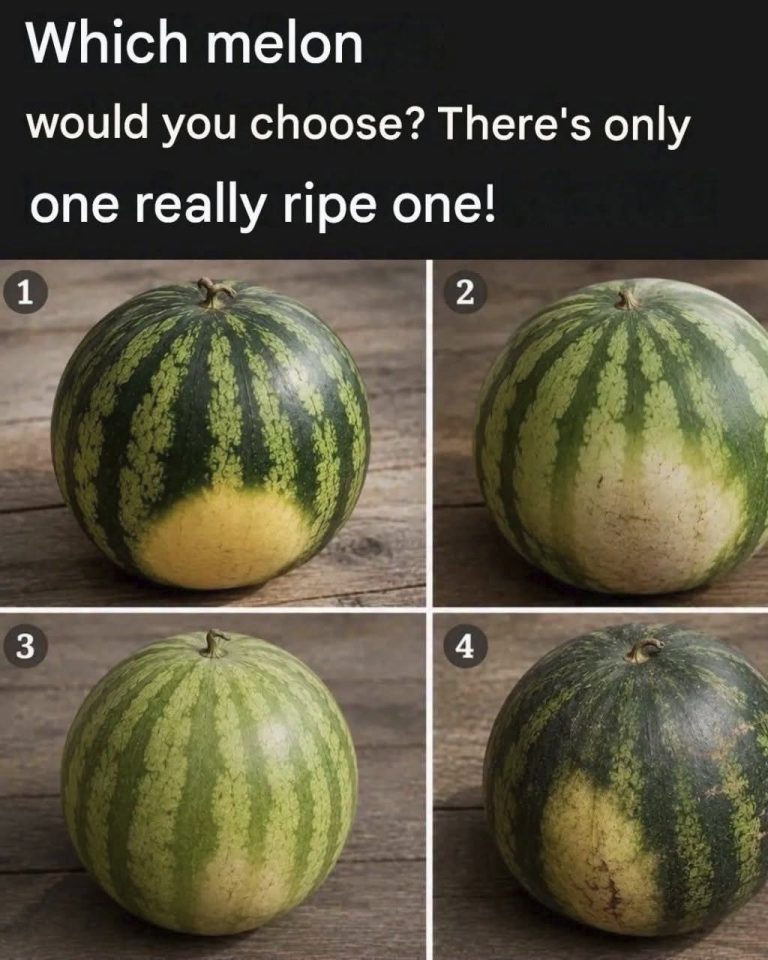
Walking through the produce section during the warm summer months, nothing beats finding the ultimate, perfectly sweet, and juicy watermelon. However, choosing the right melon from a towering bin can often feel like a guessing game.
Viral puzzles and social media challenges frequently feature images of watermelons with different spot patterns, asking followers to test their fruit-picking expertise. While picking a melon looks simple, expert farmers and produce pickers rely on distinct visual and physical indicators to determine peak ripeness.
In this comprehensive guide, we will break down how to spot the sweetest watermelon, explore the science of melon ripening, share practical grocery shopping tips, and discuss smart financial habits for your household budget.
Decoding Watermelon Ripeness: What to Look For
When examining watermelons like the ones in the challenge, several key features indicate whether a melon is underripe, perfectly ripe, or overripe.
1. The Field Spot (Ground Spot)
The field spot is the creamy yellow or orange patch where the watermelon sat resting on the ground while growing.
-
Underripe: If the spot is white or pale green, the melon was likely picked too early and will lack sweetness.
-
Ripe: A deep, creamy yellow or buttery orange field spot indicates that the fruit spent ample time ripening in the sun.
2. Webbing and Sugar Scars
Those rough, brown, web-like scars on the rind—often resembling crisscrossed scratches—are actually a sign of pollination. Bees frequently visit the sugar-rich parts of the flower, leaving behind webbing that usually signals a sweet, flavorful melon.
The Science of Fruit Ripening
Watermelons are non-climacteric fruit, meaning they do not continue to ripen or get significantly sweeter once they are harvested from the vine.
+--------------------------------------------------------------------+
|                WATERMELON RIPENING INDICATORS                      |
+---------------------+-----------------------+----------------------+
| Feature             | Unripe Sign           | Ripe Sign            |
+---------------------+-----------------------+----------------------+
| Field Spot          | White / Pale Green    | Deep Yellow / Orange |
| Rind Finish         | Shiny / Bright        | Dull / Matte         |
| Sound               | High-Pitched Thud     | Deep, Hollow Thump   |
+---------------------+-----------------------+----------------------+
The Thump Test
When you tap a watermelon, an underripe or dense melon will produce a sharp, high-pitched ring. A fully ripe watermelon filled with sweet, crisp juice typically gives off a deeper, more resonant, hollow thump.
Practical Tips for Selecting Fresh Produce
Getting the best value and quality at the grocery store involves a few smart, practical steps.
-
Check the Weight: Pick up a few melons of similar size; the heaviest one is usually the juiciest because water content increases with ripeness.
-
Look for a Matte Finish: A shiny rind often means the watermelon is underripe, while a dull, matte appearance indicates it is ready to eat.
-
Inspect the Stem: A dry, brown stem suggests the melon ripened naturally on the vine, whereas a green stem means it was picked too early.
Financial Wisdom: Smart Grocery Shopping and Budgeting
Making informed choices at the grocery store is a great way to practice smart household budgeting. Buying produce that is genuinely ripe and in-season prevents wasted money on spoiled or flavorless food.
By planning your meals around seasonal fruits and vegetables, you can cut down on unnecessary food waste and stretch your weekly grocery dollars further. Pairing smart shopping habits with an emergency savings fund ensures your household remains financially secure and well-prepared.
Interesting Facts About Watermelons
-
Botanical Classification: Watermelon is botanically classified as a berry (specifically a pepo, a specialized type of berry with a tough outer rind) and belongs to the gourd family Cucurbitaceae.
-
High Water Content: Watermelons are roughly 92% water, making them an exceptionally hydrating and refreshing snack during hot weather.
-
Nutritional Value: They are packed with lycopene, a powerful antioxidant known for supporting heart health and reducing inflammation.
Protecting Your Household and Well-Being
Maintaining a healthy diet rich in fresh fruits and vegetables is a wonderful cornerstone of everyday wellness. Combining nutritious eating habits with proper food safety practices keeps your household safe, healthy, and energized.
Conclusion
Choosing the right watermelon doesn’t have to be a gamble. By checking for a deep yellow field spot, a dull skin finish, a heavy feel, and a hollow sound, you can pick a sweet, perfectly ripe melon every time. Stay sharp, shop smart, and enjoy the refreshing taste of summer!
Frequently Asked Questions (FAQ)
How can you tell if a watermelon is ripe?
Look for a creamy yellow field spot, a dull-looking rind, a hollow sound when thumped, and a heavy weight for its size.
Do watermelons continue to ripen after being picked?
No, watermelons do not continue to ripen or get sweeter after they are harvested, so it is important to choose one that is already ripe.
What does a white field spot mean?
A white or pale green field spot indicates that the watermelon was harvested too early and will likely be bland and underripe.
Are brown web marks on a watermelon good?
Yes! Webbing or scarring on the rind indicates that bees frequently pollinated the flower, which is often a sign of a very sweet melon.
Why is the heaviest watermelon usually the best?
Water content increases as a watermelon ripens, so a heavier melon relative to its size is packed with more juice and flavor.
