
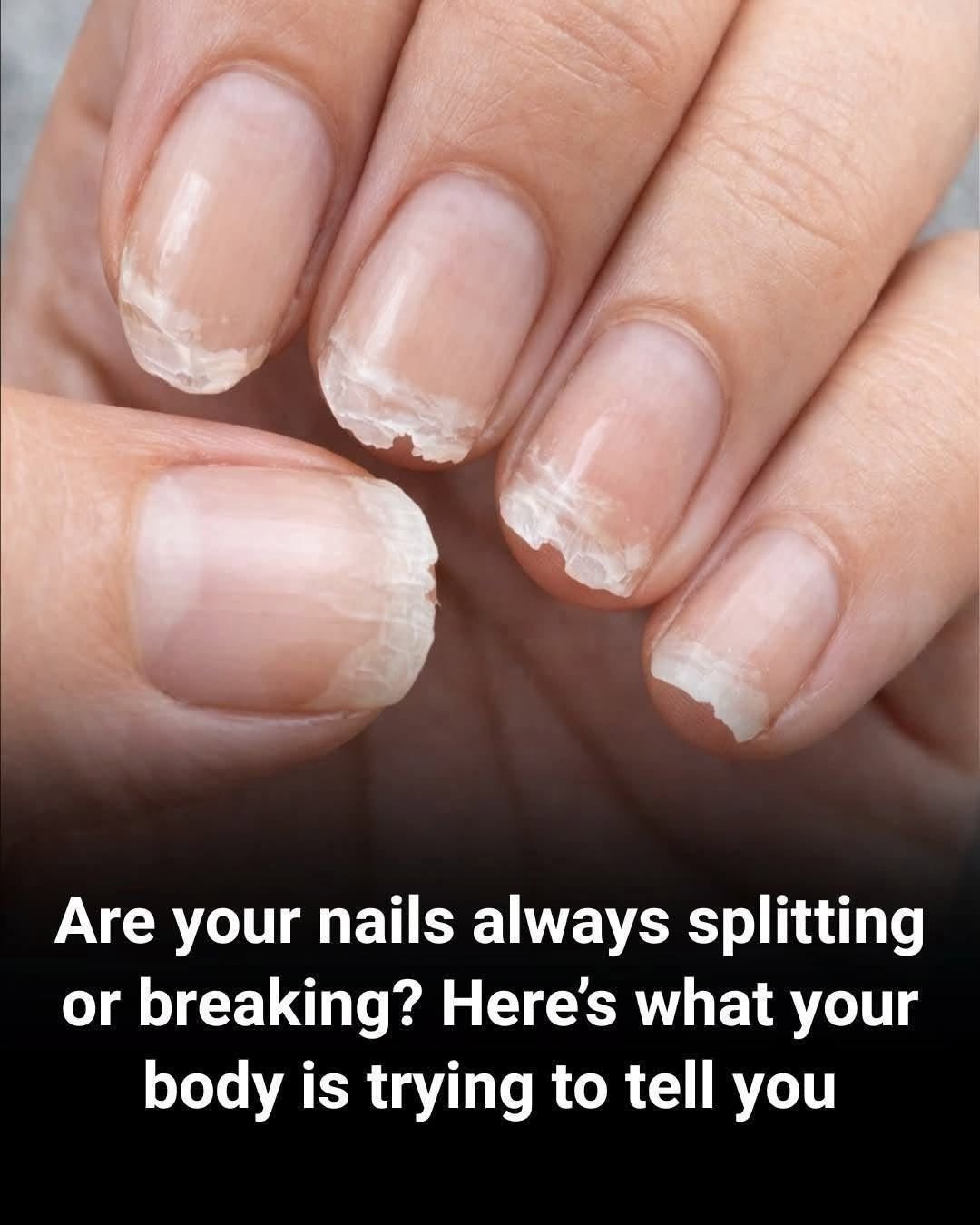
Have you ever looked down at your hands and noticed that your fingernails are constantly peeling, splitting, or snapping off at the slightest pressure? Brittle, weak nails are a common frustration, but they are often more than just a cosmetic nuisance.
Our fingernails act as miniature windows into our overall health, reflecting nutritional balance, hydration levels, and underlying physiological conditions. Social media feeds are frequently filled with advice on quick fixes, miracle vitamins, and trendy polishes promising instant strength. However, understanding the true biological causes of nail damage requires looking closer at health, diet, and lifestyle habits.
In this comprehensive guide, we will explore the common reasons why nails split or break, examine the science of nail health, discuss practical daily care tips, and look at smart financial and health planning strategies to protect your overall well-being.
Decoding Nail Health: Why Do Nails Split and Peel?
Medically known as onychoschizia, nail splitting and horizontal peeling at the free edge are frequent complaints. When nails lose their natural flexibility and moisture, they become brittle and prone to breakage.
Common Causes of Brittle Nails
-
Frequent Hand Washing and Moisture Exposure: Constantly getting hands wet and drying them out strips the nail plate of its natural oils and moisture.
-
Nutritional Deficiencies: A lack of essential vitamins and minerals—such as biotin, iron, or protein—can weaken the structural integrity of new nail growth.
-
Chemical Exposure: Frequent use of harsh cleaning products, acetone-based nail polish removers, or gel manicures without proper recovery time can severely damage the nail surface.
The Science of Nail Growth and Nutrition
Nails are primarily composed of a tough fibrous protein called keratin. Just like hair and skin, healthy nail growth relies on a steady supply of nutrients delivered through the bloodstream to the nail matrix.
+--------------------------------------------------------------------+
|                  KEY FACTORS IN NAIL STRENGTH                      |
+---------------------+-----------------------+----------------------+
| Factor              | Biological Role       | Common Sources       |
+---------------------+-----------------------+----------------------+
| Keratin Protein     | Structural Matrix     | Lean Meats, Legumes  |
| Biotin (Vitamin B7) | Cellular Metabolism   | Eggs, Nuts, Seeds    |
| Hydration & Oils    | Prevents Brittleness  | Water & Hand Creams  |
+---------------------+-----------------------+----------------------+
1. The Role of Protein and Biotin
Because nails are made of keratin, an adequate daily intake of dietary protein is essential. Additionally, B-vitamins like biotin have been shown in various studies to help improve nail thickness and reduce splitting in individuals with chronically weak nails.
2. Environmental Protection
External protection is just as important as internal nutrition. Wearing gloves while washing dishes or handling household cleaning chemicals prevents harsh detergents from breaking down the nail’s protective lipid barrier.
Practical Tips for Stronger, Healthier Nails
Improving your nail health does not require expensive salon treatments. Simple, consistent daily habits make a significant difference.
-
Keep Nails Moisturised: Apply hand cream, cuticle oil, or petroleum jelly to your nails and cuticles regularly, especially after washing your hands.
-
Wear Gloves for Chores: Protect your hands from harsh chemicals and prolonged water immersion by wearing rubber or nitrile gloves during cleaning.
-
Avoid Harsh Removers: Switch to acetone-free nail polish removers and give your nails regular breaks between gel or acrylic manicures.
-
Maintain a Balanced Diet: Eat a nutrient-rich diet containing adequate protein, healthy fats, and vitamin-rich whole foods.
Financial Wisdom: Healthcare Investments and Wellness Budgets
Prioritizing your physical health and personal care directly contributes to long-term well-being. Maintaining a balanced wellness budget—allocating funds toward nutritious foods, quality personal care items, and routine health check-ups—helps prevent minor health flags from turning into bigger issues.
Proactively managing your health insurance and emergency savings also ensures you are prepared for unexpected medical needs, keeping both your body and your finances secure.
Interesting Facts About Human Nails
-
Nail Growth Rate: Fingernails grow at an average rate of about 3.5 millimeters per month, meaning it takes roughly six months for a fingernail to completely replace itself from root to tip.
-
Fingers vs. Toes: Fingernails grow nearly four times faster than toenails, largely due to better blood circulation in the hands.
-
Health Indicators: Historically, physicians have examined nail color, texture, and shape as part of a physical examination to spot signs of nutritional deficiencies or systemic health conditions.
Protecting Your Health and Well-Being
Listening to what your body is trying to tell you through physical cues like brittle nails is an important part of proactive self-care. Whether you are adjusting your daily routine, protecting your hands from harsh chemicals, or consulting a healthcare professional for persistent health concerns, taking mindful steps ensures lasting vitality.
Conclusion
If your nails are constantly splitting or breaking, your body may be signaling a need for better moisture, protection from harsh chemicals, or improved nutritional support. By combining smart daily nail care habits with a balanced lifestyle, you can restore strength and resilience to your hands.
Frequently Asked Questions (FAQ)
What causes nails to constantly split and peel?
Common causes include frequent hand washing, exposure to harsh chemicals, low moisture, and potential nutritional gaps in vitamins like biotin or iron.
Can vitamin deficiencies cause brittle nails?
Yes, deficiencies in essential nutrients such as biotin, iron, and high-quality protein can weaken the keratin structure of the nails.
How can I protect my nails while doing housework?
Always wear protective gloves when washing dishes or handling strong household cleaning products to prevent moisture loss and chemical damage.
How long does it take for a damaged nail to grow out?
A typical fingernail takes about four to six months to completely grow out from the cuticle to the tip.
Are gel manicures bad for your nails?
Frequent gel manicures and the removal process can dry out and weaken the nail plate, which is why dermatologists recommend giving nails recovery periods between treatments.
