
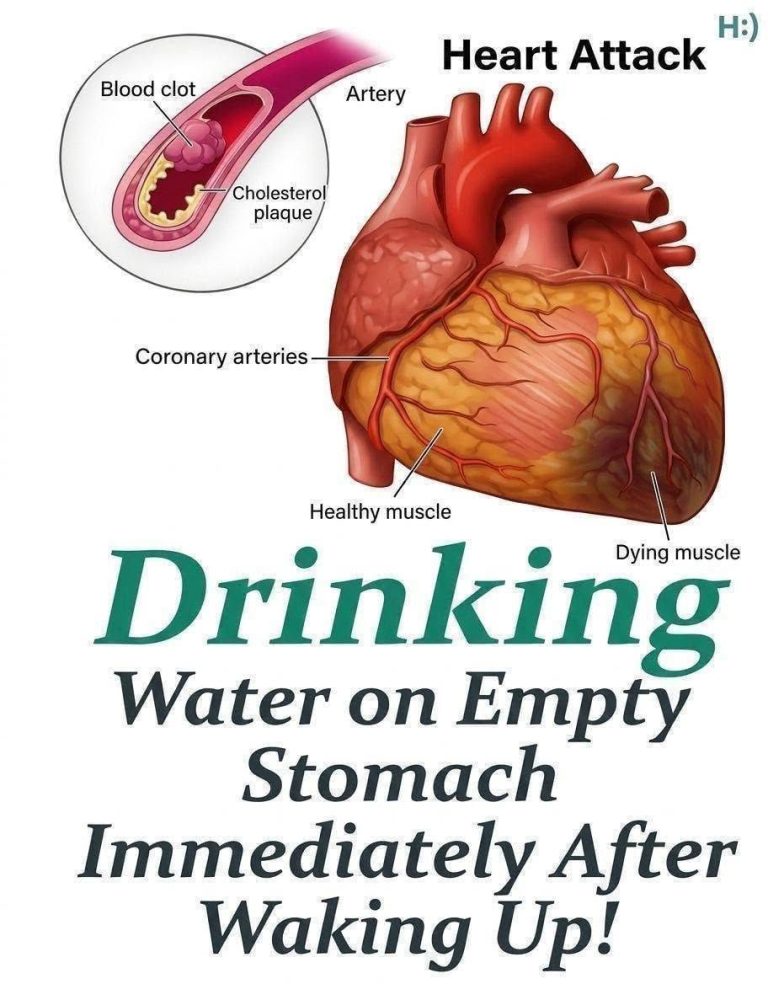
Hydration is fundamental to human life, but the timing of when you consume water can significantly influence how your body metabolizes fluid, cleanses cellular waste, and supports cardiovascular efficiency. After 6 to 8 hours of continuous night sleep without fluid intake, the human body naturally enters a mild state of dehydration.
Drinking a fresh glass of water immediately upon waking—before consuming coffee, breakfast, or tea—is a simple, time-honored wellness ritual practiced in traditional health disciplines worldwide. Modern biological research confirms that morning hydration plays an essential role in activating metabolic pathways, flushing metabolic waste from the kidneys, maintaining blood viscosity, and supporting long-term heart health.
Understanding how morning water intake impacts arterial health, blood circulation, digestive motility, and preventative healthcare can empower individuals and families to build healthy daily routines while minimizing preventable medical expenses.
The Biological Impact of Morning Hydration on the Cardiovascular System
To understand how drinking water upon waking influences heart and arterial function, it is essential to look at the mechanics of blood circulation and fluid volume:
1. Reducing Blood Viscosity and Clotting Risks
During overnight sleep, fluid loss through breathing, perspiration, and natural kidney filtration causes blood plasma volume to drop slightly. As a result, blood becomes thicker (more viscous). Thicker blood creates greater mechanical resistance against blood vessel walls, forcing the heart to pump harder. Drinking water immediately upon waking replenishes blood volume quickly, thinning the blood and reducing pressure on coronary arteries.
2. Supporting Arterial Health and Cholesterol Plaque Dynamics
Coronary arteries supply oxygen-rich blood directly to cardiac muscle tissue. When arteries become narrowed by cholesterol plaque or blocked by a sudden blood clot, myocardial tissue is deprived of oxygen, leading to cardiac muscle damage (myocardial infarction or heart attack). Maintaining adequate hydration keeps vascular endothelial walls flexible and supports smooth blood flow throughout the coronary network.
3. Regulating Circadian Blood Pressure Surges
Human blood pressure naturally spikes in the early morning hours upon waking due to surges in cortisol and adrenaline levels. Drinking a glass of room-temperature water counteracts fluid loss, smoothing out morning blood pressure surges and lowering cardiovascular stress.
+---------------------------+---------------------------------------+------------------------------------+
| Health Parameter          | Overnight / Dehydrated State          | Post-Morning Hydration State       |
+---------------------------+---------------------------------------+------------------------------------+
| Blood Plasma Viscosity    | Higher (thicker, sluggish flow)       | Normalized (smooth arterial flow)  |
| Gastrointestinal Tract    | Inactive, trapped metabolic waste     | Triggered gastrocolic reflex & purge|
| Kidney Filtration (eGFR)  | Concentrated urine & mineral buildup  | Rapid metabolite flushing & cleanse|
| Metabolic Rate            | Resting baseline state                | Activated thermogenesis (+24-30%)  |
+---------------------------+---------------------------------------+------------------------------------+
7 Major Health Benefits of Drinking Water First Thing in the Morning
Adopting a daily habit of drinking one or two glasses of clean water immediately after waking yields widespread biological benefits:
1. Activates Digestive Motility and Eliminates Toxins
Drinking water on an empty stomach triggers the gastrocolic reflex—an involuntary neurological impulse that stimulates peristaltic contractions throughout the stomach and intestines. This helps clear overnight digestive waste, prevents chronic constipation, and prepares the gastrointestinal tract to absorb nutrients efficiently during breakfast.
2. Boosts Metabolism and Daily Energy Levels
Clinical studies demonstrate that drinking 16 to 20 ounces of cold or room-temperature water on an empty stomach increases resting metabolic rate by 24% to 30% for over an hour. This process, known as water-induced thermogenesis, encourages efficient caloric burning and sustains physical energy.
3. Flushes the Kidneys and Prevents Kidney Stones
As your kidneys filter blood overnight, urinary waste products become highly concentrated. Drinking water upon waking flushes out accumulated uric acid, calcium salts, and metabolic toxins through the bladder, significantly reducing the risk of developing painful kidney stones or urinary tract infections (UTIs).
4. Improves Mental Clarity and Focus
Because the human brain is composed of roughly 75% water, even mild dehydration upon waking can cause morning brain fog, mild headaches, fatigue, and mood sluggishness. Hydrating early restores cellular brain volume and optimizes neurotransmitter performance.
5. Supports Radiant Skin and Cell Hydration
Hydrating first thing in the morning promotes dermal micro-circulation, carrying oxygen and nutrients directly to skin cells. Rehydrating on an empty stomach helps maintain skin elasticity, flushes out impurities, and promotes a clear, radiant complexion.
6. Strengthens Immune System Resilience
Water is essential for producing lymph—the clear fluid that travels through the lymphatic system carrying infection-fighting white blood cells throughout the body. Early morning hydration ensures your immune system functions at peak efficiency to ward off seasonal illnesses.
7. Relieves Heartburn and Stomach Acid Discomfort
For individuals prone to morning acid reflux or gastritis, drinking water dilutes concentrated stomach acids and pushes esophageal reflux back down into the stomach, offering immediate natural relief without relying solely on antacid medications.
Healthcare Management, Insurance, and Preventative Cardiovascular Care
Prioritizing basic lifestyle habits like proper hydration plays a vital role in broad preventative healthcare, lowering long-term medical risks and protecting family finances.
Lowering Chronic Disease Risks and Medical Expenditures
Cardiovascular diseases, chronic kidney issues, and metabolic disorders account for significant healthcare expenditures, prescription medication co-pays, and emergency hospital visits annually. Adopting cost-free preventative habits—such as adequate daily hydration, low-sodium nutrition, and regular walking—supports long-term wellness and preserves Health Savings Account (HSA) balances.
Utilizing Health Insurance for Preventive Screenings
While hydration is a fantastic daily habit, combining it with regular medical checkups is essential for comprehensive cardiovascular protection. Most health insurance plans, Medicare policies, and preventive care programs cover annual wellness exams, including lipid panels (checking cholesterol levels), blood pressure monitoring, and electrocardiograms (ECG) to evaluate heart muscle function.
Practical Daily Tips for Establishing a Morning Hydration Routine
-
Keep Water by Your Bedside: Place a covered glass or reusable stainless steel water bottle on your nightstand so drinking water is the very first action you take upon waking.
-
Opt for Room-Temperature or Warm Water: Warm or room-temperature water is gentle on an empty stomach, encouraging smooth gastrointestinal relaxation compared to ice-cold water.
-
Wait 20 to 30 Minutes Before Eating: Allow 20 to 30 minutes after drinking water before consuming breakfast, coffee, or tea to let your stomach process the fluid without diluting digestive enzymes.
-
Add Fresh Lemon or Ginger for Extra Flavor: Squeezing fresh lemon juice into your morning water adds Vitamin C and natural bioflavonoids that support liver health and digestion.
-
Brush Your Teeth First: Brushing your teeth before drinking morning water cleans away overnight mouth bacteria, ensuring you swallow clean fluid.
Fascinating Scientific Facts About Water and Human Physics
-
Massive Daily Blood Circulation: The average human heart pumps approximately 2,000 gallons (7,500 liters) of blood through 60,000 miles of blood vessels every single day.
-
The “Japanese Water Therapy” Origin: Drinking warm water on an empty stomach immediately upon waking is rooted in traditional Japanese medical culture, where it is used as a daily therapeutic practice for metabolic longevity.
-
Brain Water Density: Brain tissue contains approximately 75% to 80% water, and a drop in body hydration of just 1% to 2% can noticeably impair cognitive performance and short-term memory recall.
-
Rapid Cellular Absorption: Water consumed on an empty stomach passes through the stomach into the small intestine within 5 to 10 minutes, entering the bloodstream almost immediately.
Frequently Asked Questions (FAQ)
How much water should I drink immediately after waking up?
Starting with 1 to 2 glasses (roughly 8 to 16 ounces or 250 to 500 mL) of room-temperature water is an ideal target. Beginners can start with one glass and gradually increase intake as their body adapts.
Can drinking water on an empty stomach prevent a heart attack?
While drinking water alone cannot guarantee the prevention of a heart attack, adequate hydration reduces blood viscosity, lowers cardiovascular stress, and supports arterial health—all of which contribute to better overall cardiovascular safety.
Should I drink cold water or warm water in the morning?
Both temperatures offer benefits, but room-temperature or warm water is generally preferred on an empty stomach because it relaxes the gastrointestinal tract and is absorbed quickly without shocking the digestive system.
Is it okay to drink coffee immediately after waking up instead of water?
It is best to drink water first. Coffee has a mild diuretic effect and can irritate an empty stomach lining. Rehydrating with water first restores lost fluid volume before enjoying morning coffee.
Can drinking too much water at once be harmful?
Yes. Drinking extreme quantities of water in a very short time can lead to a rare condition called hyponatremia (water intoxication), which dilutes essential sodium levels in the bloodstream. Stick to 1 to 2 glasses upon waking and pace your intake throughout the remainder of the day.
Conclusion
Simple daily habits often deliver the most profound health rewards. Drinking a glass or two of water on an empty stomach immediately after waking up is a free, effortless ritual that rehydrates your body, lowers blood viscosity, supports heart and arterial health, and boosts digestion. By combining early morning hydration with balanced nutrition, active living, and routine medical checkups, you build a solid foundation for lifelong physical vitality, health, and well-being!
