
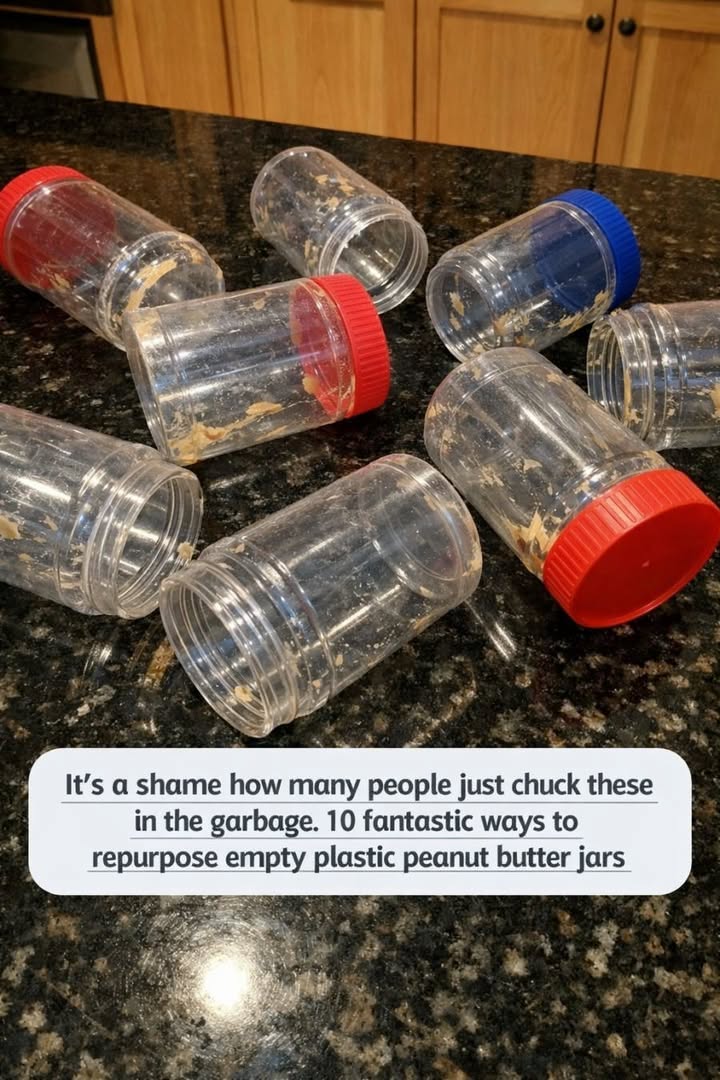
In an era where environmental sustainability and smart home organization have become top priorities for households worldwide, upcycling everyday kitchen items offers a practical solution. Plastic food containers—especially sturdy, wide-mouthed peanut butter jars—are among the most frequently discarded items in residential waste streams. Made from durable, food-grade polyethylene terephthalate (PET) plastic, these containers are designed to resist impact, seal tightly, and withstand repeated handling.
Rather than tossing empty peanut butter jars into the trash or recycle bin, creative homeowners can repurpose them into versatile organizational storage, workshop organizers, garden accessories, and DIY craft containers. Upcycling plastic containers not only declutters living spaces and minimizes household waste but also reduces monthly grocery expenditures on expensive plastic organizers and storage totes.
Understanding effective upcycling strategies, proper plastic cleaning protocols, and home organization economics helps you create an efficient, eco-friendly home while keeping household expenses low.
Why Plastic Peanut Butter Jars Are Ideal for Upcycling
Before exploring creative repurposing methods, it helps to understand why plastic peanut butter containers make superior storage vessels compared to standard single-use plastics:
Durable Food-Grade Construction
Peanut butter jars are engineered from thick, food-grade PET (Polyethylene Terephthalate) or HDPE (High-Density Polyethylene) plastic. This material is lightweight, shatterproof, transparent for easy inventory visibility, and certified safe for food contact.
Wide-Mouth Openings and Airtight Threaded Lids
Unlike narrow-neck beverage bottles, peanut butter jars feature wide openings that allow hand access, scoops, or large tools. Their screw-on, threaded lids create a secure seal that protects contents from moisture, dust, and pests.
+---------------------------+---------------------------------------+------------------------------------+
| Repurposing Category      | Typical Stored Items                  | Key Practical Advantage            |
+---------------------------+---------------------------------------+------------------------------------+
| Workshop & Hardware       | Nails, screws, washers, drill bits    | Clear visibility & shatterproof    |
| Kitchen Pantry Storage    | Rice, dried beans, oats, baking soda  | Airtight seal protects from moisture|
| Craft & Hobby Supplies    | Buttons, beads, ribbons, paintbrushes | Keeps small items sorted           |
| Outdoor & Garden Uses     | Seeds, fertilizer, birdseed scoops    | Weather-resistant & durable        |
+---------------------------+---------------------------------------+------------------------------------+
10 Creative Ways to Repurpose Empty Plastic Peanut Butter Jars
Transforming empty peanut butter containers into useful everyday tools is simple, cost-effective, and rewarding.
1. Garage and Workshop Hardware Organization
Small metal hardware like nails, screws, bolts, wall anchors, and washers frequently clutter workbench drawers. Storing hardware in transparent plastic jars keeps items neatly categorized and immediately visible. You can even screw the plastic lids underneath a wooden workshop shelf to create a space-saving “twist-off” jar hanging system!
2. Pantry Dry Goods Storage
Thoroughly washed peanut butter jars make excellent airtight storage containers for bulk pantry ingredients like rice, dried lentils, popcorn kernels, baking soda, chocolate chips, and sugar packets. Stacking uniform plastic jars maximizes vertical pantry shelf space.
3. Craft Room and Hobby Organizer
Art and craft supplies easily become disorganized. Use clean jars to group buttons, colored beads, safety pins, marbles, paintbrushes, ribbon rolls, or knitting needles. Labeling jar exteriors with chalk markers or sticker tags keeps creative supplies tidy.
4. Homemade Bird Feeder or Seed Dispenser
Convert an empty jar into a backyard bird feeder by drilling small feeding holes near the bottom, gluing a plastic saucer to the base, and threading a sturdy wire through the lid for hanging. Alternatively, fill un-modified jars with birdseed to serve as convenient hand-held seed scoops.
5. Portable First Aid or Emergency Travel Kit
Assemble a compact, water-resistant emergency kit by packing adhesive bandages, antiseptic wipes, gauze rolls, pain relievers, and safety pins inside a sealed peanut butter jar. Store one in your car glove box, camping backpack, or emergency prep kit.
6. Gardening Seed Saver and Soil Scoop
Save harvested flower or vegetable seeds from your garden in airtight jars to keep them dry and viable for next spring’s planting season. Plastic jars also make durable, rust-proof trowel scoops for potting soil, plant food, or de-icing salt in winter.
7. Kitchen Scraps Compost Collector
Keep a designated peanut butter jar on your kitchen counter to collect daily organic food scraps—such as coffee grounds, eggshells, and apple peels—before carrying them out to your garden compost bin. The screw-on lid keeps fruit flies and odors trapped inside.
8. Office Supply and Cable Management
Clear desk clutter by storing rubber bands, paper clips, binder clamps, push pins, and thumb tacks in designated jars. You can also coil USB cables, charging cords, and earbud wires inside individual jars to keep electronic accessories tangle-free.
9. Kids’ Coin Bank or Piggy Bank
Cut a thin coin slot through the plastic screw-top lid using a utility knife to turn an empty jar into a clear savings bank for children. Kids love watching their physical coin savings grow inside the transparent container!
10. Travel Pet Treat and Kibble Carrier
When taking pets on weekend road trips or hikes, fill clean jars with dry dog kibble, cat treats, or waste bags. The airtight seal keeps treats fresh and prevents pungent pet food smells from leaking into vehicle interiors.
How to Clean and Deodorize Peanut Butter Jars Perfectly
The main challenge when reusing peanut butter jars is removing residual peanut oil and persistent nutty odors. Follow this simple 3-step cleaning technique:
-
Scrape and Pre-Rinse: Use a silicone spatula to scrape away remaining peanut butter residue. Fill the jar halfway with warm water and a few drops of dish soap, cap the lid, and shake vigorously.
-
The Paper Towel and Soap Trick: Place a torn piece of paper towel inside the jar with warm water and dish soap, seal the lid, and shake hard for 30 seconds. The paper towel absorbs leftover oils from the plastic walls effortlessly.
-
Deodorize with Baking Soda or Vinegar: To remove lingering peanut odors, fill the clean jar with warm water mixed with 1 tablespoon of baking soda or white distilled vinegar. Let it sit overnight, rinse, and dry completely.
Financial Savings, Sustainability, and Home Value
Repurposing household items delivers clear financial and lifestyle benefits.
Reducing Household Spending on Storage Solutions
Commercial plastic bins, glass mason jars, and specialized garage organizers can cost anywhere from $3 to $15 per unit. By upcycling ten peanut butter jars a year, a household saves over $100 annually in unnecessary storage purchases while reducing plastic footprint.
Eco-Friendly Living and Waste Reduction
Single-use plastics represent a massive percentage of landfill waste. Extending the life cycle of food containers keeps durable plastics out of ecosystems, conserves resources, and lowers personal household carbon footprints.
Practical Daily Tips for Upcycling Plastic Containers
-
Remove Adhesive Labels Easily: Soak jars in warm soapy water for 15 minutes, or apply a drop of cooking oil or rubbing alcohol to peel off sticky label glue cleanly.
-
Check Plastic Resin Codes: Most peanut butter jars are labeled with resin recycling code #1 (PET) or #2 (HDPE), confirming they are safe, non-toxic, and durable for home storage.
-
Use Permanent Markers or Labels: Use painter’s tape, chalk stickers, or permanent markers on jar exteriors to clearly identify contents and dates.
-
Avoid Washing in Extreme Dishwasher Heat: To prevent thin PET plastic from warping or melting, wash jars on the top rack of your dishwasher or hand-wash with warm water.
-
Keep Away from Direct Heat Sources: Do not place plastic jars near stove burners, ovens, or workshop heaters, as high heat can warp plastic materials.
Fascinating Facts About Plastics and Recycling Science
-
PET Durability: PET plastic containers do not decompose naturally in landfills, taking up to 450 years to break down entirely—making upcycling a highly impactful practice.
-
Massive Peanut Butter Consumption: Americans consume over 700 million pounds of peanut butter every year, generating hundreds of millions of plastic jars nationwide!
-
Energy Savings from Reuse: Reusing a plastic container requires zero industrial manufacturing energy, whereas melting down and recycling plastic uses significant energy resources.
-
Food-Grade Certification: PET containers undergo rigorous safety testing to ensure no harmful chemical leaching occurs during normal room-temperature storage.
Frequently Asked Questions (FAQ)
Are plastic peanut butter jars safe to store food in after cleaning?
Yes! Peanut butter jars are constructed from food-grade PET or HDPE plastic, making them completely safe for storing dry foods like rice, beans, snacks, and spices at room temperature. Avoid using them for hot liquids or heating them in microwaves.
How do you get the oil and peanut smell out of plastic jars?
Wash the jar using warm water, dish soap, and a crumpled paper towel shaken vigorously inside. Afterward, fill the jar with warm water mixed with 1 tablespoon of baking soda or white vinegar and let it sit overnight to neutralize remaining odors.
Can you put plastic peanut butter jars in the dishwasher?
It is best to hand-wash peanut butter jars with warm, soapy water. High dishwasher temperatures, especially during high-heat dry cycles, can warp or melt PET plastic containers.
Can you use upcycled plastic jars for freezer storage?
Yes, but leave at least 1 inch of headspace at the top of the jar if storing liquids or moist items, as food expands when freezing and can crack plastic walls if overfilled.
How do you remove label glue from plastic peanut butter jars?
Apply a small amount of vegetable oil, rubbing alcohol, or baking soda paste to the sticky adhesive residue, let it sit for 5 minutes, and scrub cleanly with a soft dish sponge.
Conclusion
Throwing away empty plastic peanut butter jars is a missed opportunity for smart home organization and eco-friendly living. With their wide openings, durable shatterproof plastic, and tight-sealing lids, these versatile containers can easily be transformed into hardware bins, pantry organizers, craft jars, and garden tools. By adopting simple upcycling habits at home, you save money, reduce clutter, and protect the environment one jar at a time!
