
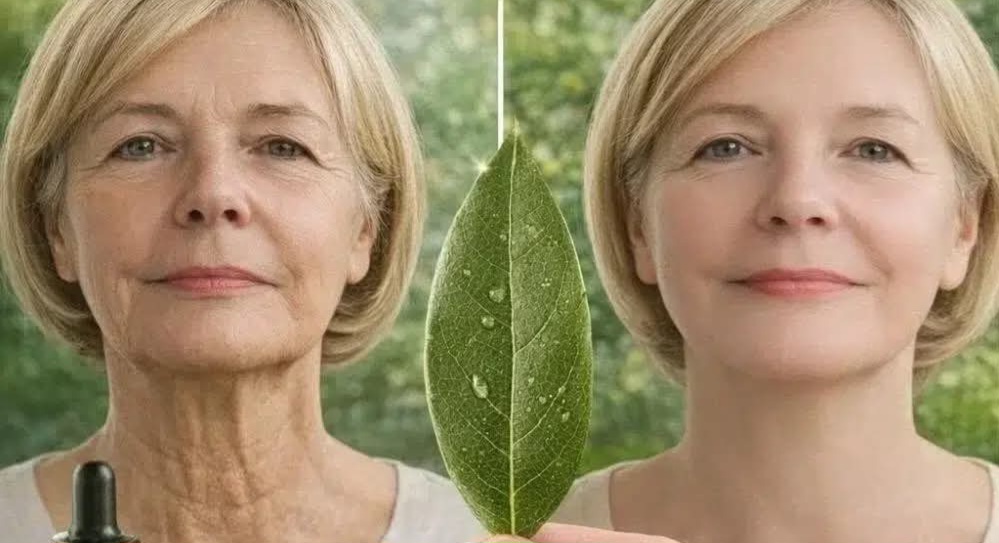
The pursuit of youthful, glowing, and healthy skin has spanned centuries. From ancient Egyptian botanical oils to modern laboratory-formulated serums, humanity has constantly searched for effective ways to combat the visible signs of aging. In recent years, a major shift has taken place in the wellness and beauty industries. Consumers are increasingly turning away from harsh chemical treatments and expensive synthetic procedures, opting instead for natural, plant-based remedies inspired by traditional herbalism and validated by modern skin science.
If you have ever seen dramatic before-and-after photos circulating online—showing a woman with noticeable facial lines and wrinkles transformed into a smoother, firmer appearance using a simple herbal leaf extract—you know how powerful visual storytelling can be. But beyond the viral appeal, what does science say about botanical skin care? How do natural plant compounds interact with our skin cells, and what are the most effective ways to nurture our skin from both the outside and the inside?
In this comprehensive guide, we will explore the science of skin aging, the role of botanical extracts and antioxidants, practical daily skincare habits, and how holistic wellness impacts your overall vitality.
Understanding Skin Aging: What Happens Beneath the Surface?
To understand why natural remedies like herbal leaf infusions and botanical oils gain so much attention, we must first understand how skin ages biologically. Skin aging is a complex biological process driven by two main mechanisms: intrinsic aging and extrinsic aging.
                  [ SKIN AGING MECHANISMS ]
                             │
        ┌────────────────────┴────────────────────┐
        ▼                                         ▼
[ Intrinsic Aging ]                       [ Extrinsic Aging ]
  • Natural genetic clock                   • UV radiation / Sun damage
  • Gradual collagen slowdown               • Environmental pollution
  • Thinner dermal layer                    • Lifestyle stress & diet
1. Intrinsic Aging (The Natural Clock)
Intrinsic aging is the natural, genetically programmed process that occurs over time regardless of external influences. Beginning in our mid-twenties, the body’s production of collagen and elastin—the structural proteins responsible for skin firmness, elasticity, and resilience—slows down by approximately 1% each year. Cell turnover decelerates, natural oil production decreases, and the skin gradually loses its ability to retain moisture, leading to fine lines and thinning.
2. Extrinsic Aging (Environmental Factors)
Extrinsic aging is caused by external environmental factors that accelerate cellular wear and tear. Ultraviolet (UV) radiation from the sun is by far the leading cause of premature skin aging, a process known as photoaging. UV rays generate high levels of free radicals and reactive oxygen species in the skin cells, breaking down collagen fibers and causing hyperpigmentation, age spots, and deep wrinkles. Other extrinsic factors include chronic stress, lack of sleep, poor nutrition, and exposure to environmental pollution.
The Power of Botanicals: Antioxidants and Plant Extracts
Plants have evolved complex defense systems to protect themselves from environmental stress, intense sunlight, and predators. Many of the compounds plants use for self-protection—such as polyphenols, flavonoids, carotenoids, and essential oils—offer powerful benefits when applied to human skin or ingested through a balanced diet.
Neutralizing Free Radicals with Plant Antioxidants
The cornerstone of anti-aging skincare is antioxidant protection. Free radicals are unstable molecules missing an electron; they steal electrons from healthy skin cells, damaging cell membranes and degrading collagen.
Botanical extracts rich in antioxidants neutralize free radicals by donating an electron without becoming unstable themselves. When applied topically or consumed in nutrient-dense foods, these plant compounds help protect dermal cells from oxidative stress, soothe localized inflammation, and preserve skin elasticity.
Natural Hydration and Barrier Repair
A healthy skin barrier is essential for maintaining moisture and keeping out environmental irritants. Many traditional plant leaves and botanical oils are rich in fatty acids, vitamins, and natural humectants that reinforce the skin’s lipid barrier, locking in hydration and reducing trans-epidermal water loss.
Step-by-Step Guide: Building a Natural Skincare Routine
Adopting a plant-infused, holistic skincare routine does not require an expensive cabinet full of synthetic products. Consistency, gentle ingredients, and proper daily care are the keys to lasting results.
┌─────────────────────────────────────────────────────────┐
│              NATURAL SKINCARE ROUTINE                   │
└────────────────────────────┬────────────────────────────┘
                             │
                             ▼
┌─────────────────────────────────────────────────────────┐
│ STEP 1: GENTLE CLEANSING                                │
│ • Wash face with lukewarm water & mild plant cleanser   │
│ • Avoid stripping natural skin oils                     │
└────────────────────────────┬────────────────────────────┘
                             │
                             ▼
┌─────────────────────────────────────────────────────────┐
│ STEP 2: BOTANICAL TONER / INFUSION                      │
│ • Apply soothing herbal tea or botanical toner          │
│ • Pat gently to prep skin for absorption                │
└────────────────────────────┬────────────────────────────┘
                             │
                             ▼
┌─────────────────────────────────────────────────────────┐
│ STEP 3: NOURISHING SERUM & MOISTURIZER                  │
│ • Apply plant-based oil or antioxidant serum            │
│ • Seal with natural cream or pure facial oil            │
└────────────────────────────┬────────────────────────────┘
1. Gentle Botanical Cleansing
Start and end your day by washing your face with a mild, sulfate-free cleanser. Harsh cleansers strip away the skin’s natural protective oils, leading to irritation and rebound dryness. Look for cleansers formulated with soothing botanical extracts like chamomile, green tea, or aloe vera.
2. Applying Herbal Infusions or Toners
Many traditional skincare enthusiasts use cooled herbal leaf infusions (such as green tea, rosemary water, or bay leaf rinses) as natural facial toners. These botanical waters help refresh the skin, tighten the appearance of pores, and deliver a concentrated burst of antioxidants directly to the epidermis.
3. Locking in Moisture with Plant Oils
Follow cleansing and toning by applying a few drops of a nourishing plant-based facial oil (such as rosehip oil, jojoba oil, or argan oil) while your skin is still slightly damp. Gently press the oil into your face and neck using upward motions to stimulate circulation and enhance absorption.
Holistic Health: Skincare from the Inside Out
Topical treatments are only half of the equation. True skin vitality reflects overall physiological health, cellular nutrition, and lifestyle habits.
Nutrition, Hydration, and Metabolic Wellness
Your skin cells rely entirely on the nutrients delivered through your bloodstream. Eating a diet rich in colorful fruits, vegetables, healthy fats, and high-quality protein provides the essential building blocks for collagen synthesis. Furthermore, maintaining proper hydration by drinking adequate water throughout the day ensures that skin cells remain plump, hydrated, and efficient at flushing out metabolic waste.
The Connection Between Sleep and Cellular Repair
During deep sleep, the body enters a heightened state of cellular repair and regeneration. Growth hormone levels rise, blood flow to the skin increases, and collagen production accelerates. Chronic sleep deprivation elevates cortisol levels, which breaks down collagen fibers and dulls complexion radiance. Prioritizing 7 to 9 hours of quality sleep nightly is one of the most effective anti-aging treatments available.
Fascinating Facts About Botanical Skincare
-
Ancient Herbal Traditions: Historical records show that ancient civilizations—including the Greeks, Romans, and Egyptians—relied heavily on botanical leaves, crushed plant resins, and natural oils for cosmetic preservation and skin healing.
-
Plant Adaptogens: Many plants used in traditional skincare are classified as adaptogens, meaning they help skin cells resist environmental stressors like pollution, UV exposure, and temperature fluctuations.
-
The Skin Absorption Rate: The skin is the body’s largest organ. While it acts as a protective barrier, it readily absorbs lipid-soluble compounds, which is why botanical oils and fat-soluble vitamins (like Vitamin E) are so effective in topical applications.
Practical Checklist for Healthy, Glowing Skin
-
Wear Daily Sun Protection: Shield your skin from UV radiation by applying a broad-spectrum mineral sunscreen whenever you step outside.
-
Stay Hydrated: Keep a water bottle nearby throughout the day to support skin turgor and cellular hydration.
-
Eat Antioxidant-Rich Foods: Incorporate berries, leafy greens, nuts, and seeds into your daily meals to fight internal oxidative stress.
-
Patch Test New Remedies: Whenever trying a new botanical extract or plant oil, perform a patch test on your inner forearm to ensure you do not experience sensitivity.
Conclusion
The viral appeal of natural skincare transformations highlights our collective desire for simple, effective, and wholesome solutions to aging. While no single leaf or topical oil can completely stop the natural passage of time, embracing plant-based antioxidants, proper hydration, sun protection, and holistic daily habits can dramatically improve skin texture, elasticity, and radiance. By nourishing your skin both inside and out, you support lifelong vitality and a healthy, glowing complexion.
Frequently Asked Questions (FAQ)
Can natural plant remedies completely eliminate deep wrinkles?
While natural botanical remedies, facial massage, and antioxidants can significantly improve skin hydration, firmness, and the appearance of fine lines, they cannot completely erase deep structural wrinkles caused by years of intrinsic aging and sun damage. A consistent routine helps smooth texture and prevent further premature aging.
How do I know which plant oils are best for my skin type?
Skin types vary greatly. Lighter, non-comedogenic oils like jojoba and grapeseed work exceptionally well for oily or acne-prone skin because they mimic natural sebum. Richer oils like argan, rosehip, or avocado provide intensive nourishment for dry or mature skin types.
Are DIY herbal leaf treatments safe to apply directly to the face?
Most mild herbal infusions and plant oils are safe, but individuals with sensitive skin or plant allergies should exercise caution. Always perform a patch test on your inner arm 24 hours before applying any new homemade botanical mixture to your face.
How long does it take to see results from a natural skincare routine?
Skin cells typically undergo a complete regeneration cycle every 28 to 45 days. Therefore, consistent daily use of a new natural skincare routine over 4 to 8 weeks is usually required before noticeable improvements in texture, tone, and elasticity become apparent.
