
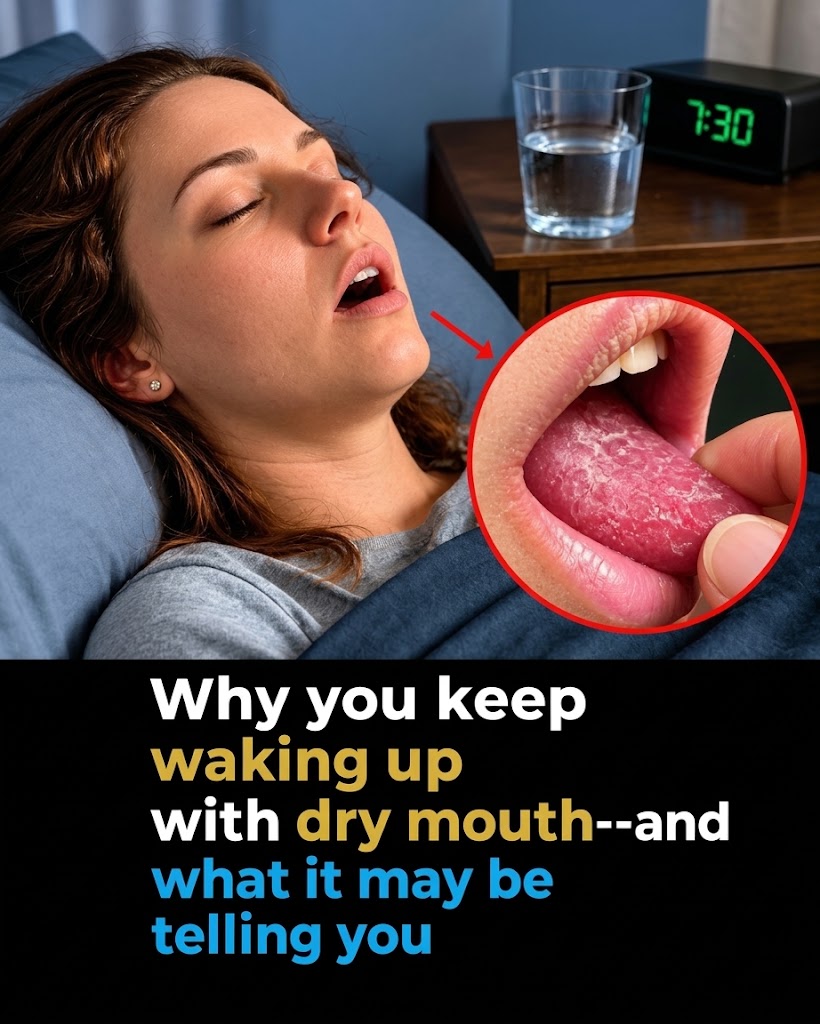
Why You Keep Waking Up With a Dry Mouth — And What It May Be Telling You About Your Health
Have you ever woken up in the middle of the night or early in the morning with an unusually dry mouth, a sticky tongue, cracked lips, or an overwhelming desire to reach for a glass of water? Perhaps you have noticed that your throat feels uncomfortable, your tongue seems coated, or your breath smells unpleasant even after brushing your teeth before going to bed.
For some people, this happens occasionally. For
others, it becomes an almost daily experience. They go to sleep feeling perfectly comfortable but wake up with a mouth that feels as though it has been deprived of moisture for hours.
It may seem like a minor inconvenience, something that can easily be solved by drinking water. However, repeatedly waking up with a dry mouth may be a sign that something is affecting your body’s normal saliva production, breathing patterns, hydration, or overall health.
The condition is commonly known as dry mouth, or xerostomia. It occurs when the mouth

Although occasional morning dryness is often harmless, persistent symptoms deserve attention. Saliva plays an essential role in protecting teeth, supporting digestion, controlling oral bacteria, and keeping the tissues inside the mouth healthy.
Understanding why your mouth becomes dry overnight can help you identify possible triggers, make practical changes to your nighttime routine, and recognize when
professional medical advice may be necessary.
1. What Actually Happens When Your Mouth Becomes Dry During Sleep?
Saliva is much more important than many people realize. It is not simply water inside the mouth. It contains substances that help protect oral tissues, maintain a healthy environment, and support several essential bodily functions.
During the day, salivary glands continuously produce saliva. This moisture helps lubricate the tongue, cheeks, gums, and throat. It also helps wash away food particles, neutralize acids produced by bacteria, and protect tooth enamel.
However, saliva production naturally
decreases during sleep.
This is a normal biological process. Your body does not need to produce saliva at the same rate while you are sleeping as it does when you are eating, speaking, or chewing.
For most healthy people, this reduction does not create significant discomfort. Their mouths generally retain enough moisture to remain comfortable throughout the night.
Problems can develop when normal nighttime reductions combine with other factors.
For example, someone who sleeps with their mouth open may lose moisture more quickly because air continuously passes over the tongue
and oral tissues. Someone taking certain medications may already have reduced saliva production before going to bed.
The combination can create noticeable dryness by morning.
Common symptoms include:
- A sticky or unusually dry feeling inside the mouth.
- A tongue that feels rough, swollen, or uncomfortable.
- Difficulty swallowing dry foods.
- Cracked or peeling lips.
- A sore or irritated throat after waking.
- Bad breath, especially in the morning.
- A burning or tingling sensation on the tongue.
- Difficulty speaking comfortably immediately after waking.
- An increased need to drink water during the night.
The
important distinction is whether the dryness happens occasionally or becomes a persistent pattern.
An occasional dry mouth after a warm night or a salty dinner is usually less concerning than symptoms that continue for weeks despite adequate hydration and good oral hygiene.
2. Sleeping With Your Mouth Open May Be One of the Most Common Reasons
One of the simplest explanations for waking up with a dry mouth is breathing through your mouth instead of your nose.
Under normal circumstances, the nose plays an important role in breathing. It filters,
warms, and humidifies incoming air before it reaches the respiratory system.
When you sleep with your mouth open, air moves directly across the tongue, gums, and other oral tissues.
This airflow increases moisture loss and can leave the mouth feeling extremely dry by morning.
You may not even realize that you are doing it.
Mouth breathing during sleep can happen for several reasons.
Nasal congestion is a common trigger. Seasonal allergies, respiratory infections, sinus inflammation, or structural problems inside the nose can make nasal breathing difficult.
When the nose feels
blocked, the body may naturally switch to mouth breathing to maintain airflow.
Other possible contributors include enlarged tonsils, certain anatomical differences, and habitual mouth breathing.
Some people also notice that their mouth falls open when they sleep on their backs, especially when their muscles become deeply relaxed.
Signs that you may be sleeping with your mouth open include:
- Waking up with an extremely dry tongue.
- Having a dry throat almost every morning.
- Frequently waking up to drink water.
- Experiencing morning bad breath.
- Snoring regularly.
- Having a partner notice that your
- mouth remains open during sleep.
- If nasal congestion is contributing to the problem, addressing the underlying cause may help.
Depending on the situation, options may include treating allergies, using an appropriate saline nasal spray, improving bedroom air quality, or consulting a healthcare professional about persistent nasal obstruction.
Do not automatically assume that mouth breathing is harmless or attempt to force your mouth closed during sleep.
Mouth taping, in particular, is not an appropriate solution for everyone. It can be dangerous for people with nasal obstruction, breathing difficulties, or suspected sleep
- apnea.
The safer approach is to understand why nasal breathing is difficult and address that issue first.
3. Dehydration Can Make Morning Dryness Much Worse
Another possible explanation is insufficient fluid intake.
Your body continuously loses water through breathing, sweating, urination, and other normal processes. During sleep, you usually go several hours without drinking anything.
If you begin the night already dehydrated, the natural reduction in saliva production may become more noticeable.
Dehydration can occur for several reasons:
- Drinking too little water throughout the day.
- Exercising heavily without replacing lost
- fluids.
- Spending time in hot weather.
- Sweating excessively during sleep.
- Experiencing fever.
- Having vomiting or diarrhea.
- Consuming excessive amounts of alcohol.
- Taking medications that increase urination.
- Some people mistakenly believe that drinking a large amount of water immediately before bedtime will solve the problem.
Although adequate hydration is important, consuming excessive amounts of water late at night may simply cause frequent bathroom visits and interrupt sleep.
A better strategy is to maintain regular hydration throughout the day.
Pay attention to your body’s signals. Persistent thirst, unusually dark urine, reduced urination,
- dizziness, and fatigue may indicate inadequate fluid intake, although these symptoms can have other causes as well.
The color of urine can offer a general indication of hydration, but it should not be treated as a definitive medical test.
If you frequently wake up thirsty despite drinking enough fluids, it is worth considering whether another condition or medication is contributing to the problem.
4. Your Bedroom Environment May Be Drying Out Your Mouth
Sometimes, the explanation is not inside your body at all. It may be related to the environment
- in which you sleep.
Air conditioning, heating systems, fans, and low indoor humidity can contribute to dryness.
Air conditioners and heating systems can reduce indoor humidity, particularly when used for extended periods. If you already breathe through your mouth during sleep, a dry bedroom environment may make the symptoms worse.
A fan directed toward your face may also increase airflow around your mouth and contribute to discomfort.
You might notice that your mouth feels particularly dry during certain seasons or when sleeping in a different room.
A few practical changes
- may help:
First, check your bedroom humidity.
If indoor air is consistently dry, a clean humidifier may help improve comfort. However, humidifiers must be cleaned regularly according to the manufacturer’s instructions because poorly maintained devices can encourage mold and bacterial growth.
Second, avoid directing strong airflow toward your face.
You do not necessarily need to stop using air conditioning or fans. Simply adjusting their direction may reduce unnecessary airflow over your mouth.
Third, maintain comfortable sleeping conditions.
An excessively warm bedroom can increase sweating and contribute to fluid loss. Keeping
- the room at a comfortable temperature may improve sleep quality and reduce nighttime discomfort.
Environmental changes will not resolve every case of dry mouth, but they are relatively simple factors to investigate.
5. Certain Medications Can Reduce Saliva Production
One frequently overlooked cause of persistent dry mouth is medication.
Many prescription and over-the-counter medicines can affect the nervous system or salivary glands, reducing the amount of saliva produced.
Some people experience dryness shortly after starting a new medication. Others notice the problem gradually, particularly when taking several medications together.
Drug
- categories commonly associated with dry mouth include:
- Antihistamines used to treat allergies.
- Certain antidepressants.
- Some anxiety medications.
- Decongestants used for nasal congestion.
- Certain blood pressure medications.
- Some medications used to treat overactive bladder.
- Certain pain medications.
- Some muscle relaxants.
- Certain medications used for neurological conditions.
Not everyone taking these medications will experience dry mouth. The likelihood and severity can depend on the specific drug, dosage, individual sensitivity, and combination of medications.
For example, someone taking an antihistamine at night may notice that their mouth feels especially dry when they wake
- up.
Similarly, people taking several medications may experience a cumulative effect.
If your symptoms began after starting a new prescription or changing a dosage, discuss the timing with your doctor or pharmacist.
Never stop taking a prescribed medication simply because you suspect it is causing dry mouth.
A healthcare professional may be able to adjust the dosage, recommend an alternative, change the timing, or suggest methods to manage the side effect.
In some cases, treating medication-related dryness requires a combination of approaches rather than changing the medication itself.
6. Persistent
-
Dry Mouth Can Sometimes Be Associated With Diabetes
One medical condition that deserves attention when dry mouth occurs frequently is diabetes.
Diabetes affects the body’s ability to regulate blood glucose. When blood glucose remains elevated, the kidneys may attempt to remove excess glucose through urine.
This can increase urination and contribute to fluid loss.
As a result, some people with uncontrolled diabetes experience increased thirst, dehydration, and dry mouth.
However, dry mouth alone does not mean that someone has diabetes.
Many other factors can produce the same symptom, including medications,
-
mouth breathing, dehydration, and environmental conditions. The possibility of diabetes becomes more relevant when dry mouth occurs alongside other symptoms, such as:
- Unusual or persistent thirst.
- Frequent urination, particularly at night.
- Increased hunger.
- Unexplained weight loss.
- Unusual fatigue.
- Blurred vision.
- Slow-healing wounds.
- Recurrent infections.
Some people develop type 2 diabetes gradually and may not recognize the early symptoms.
If you notice several of these signs together, consider arranging a medical evaluation.
A healthcare professional may recommend blood tests such as fasting blood glucose or glycated hemoglobin, commonly called HbA1c.
These
tests help evaluate blood sugar levels and identify whether further investigation is necessary.
Early recognition of diabetes is important because appropriate treatment and lifestyle management can reduce the risk of long-term complications.
7. Could Sleep Apnea Be Behind Your Dry Mouth?
Another possible explanation is obstructive sleep apnea.
Sleep apnea is a sleep-related breathing disorder in which breathing repeatedly becomes partially or completely obstructed during sleep.
In obstructive sleep apnea, the muscles and soft tissues around the upper airway relax and narrow the breathing passage.
This can cause repeated interruptions
in normal breathing.
Some people with sleep apnea snore loudly, gasp for air, or briefly awaken many times during the night without remembering every episode.
Because nasal breathing may become difficult, some individuals with sleep apnea breathe through their mouths.
This can contribute to significant morning dryness.
Common warning signs include:
- Loud, habitual snoring.
- Pauses in breathing noticed by another person.
- Waking up gasping or choking.
- Morning headaches.
- Unrefreshing sleep.
- Excessive daytime sleepiness.
- Difficulty concentrating.
- Waking up with a dry mouth or sore throat.
Not everyone who snores has sleep
apnea, and not everyone with sleep apnea experiences obvious snoring.
Nevertheless, persistent morning dry mouth combined with loud snoring, breathing interruptions, or excessive daytime sleepiness deserves medical attention.
A doctor may recommend a sleep evaluation or sleep study to determine whether breathing is repeatedly interrupted during the night.
Treatment depends on the severity and underlying cause.
Possible options include positive airway pressure therapy, oral appliances designed for appropriate patients, positional strategies, weight management when relevant, and treatment of anatomical or nasal problems.
Identifying sleep apnea matters because untreated moderate or
severe disease can increase the risk of cardiovascular and metabolic complications.
8. Hormonal Changes and Aging May Affect Saliva Production
Many people assume that dry mouth is simply an unavoidable consequence of getting older.
However, aging itself does not necessarily cause severe reductions in saliva production.
Older adults are more likely to experience dry mouth partly because they may take multiple medications or have health conditions that affect saliva production.
Changes in general health, hydration, and oral function can also contribute.
Hormonal changes may play a role in some individuals.
For example, some women report increased oral dryness during menopause. Changes in hormone levels may influence the moisture of oral tissues and the perception of dryness.
However, the relationship between menopause and dry mouth is complex, and hormonal changes are not the only possible explanation.
Other factors, including medications, sleep disturbances, and existing medical conditions, should also be considered.
If dryness becomes persistent during a period of hormonal change, a healthcare professional or dentist can help determine whether other causes need investigation.
The goal should be to identify the actual
contributing factors rather than automatically attributing every symptom to age or hormones.
9. Autoimmune Conditions Can Affect the Salivary Glands
In some cases, chronic dry mouth may be associated with an autoimmune condition.
One important example is Sjögren’s disease, a disorder in which the immune system mistakenly attacks moisture-producing glands.
The condition commonly affects the salivary and tear glands.
When salivary glands are affected, the mouth may become persistently dry. People may also experience dry eyes, difficulty swallowing certain foods, and an increased risk of dental problems.
Possible symptoms include:
- A dry mouth that persists throughout the day.
- Difficulty swallowing crackers, bread, or other dry foods.
- Frequent dental cavities.
- A burning sensation in the mouth.
- Dry or irritated eyes.
- A feeling of sand or grit in the eyes.
- Swelling around the salivary glands.
Some people experience additional symptoms involving their joints, skin, or other parts of the body.
However, having dry mouth and dry eyes does not automatically mean that someone has Sjögren’s disease.
A specialist may consider medical history, physical examination, blood tests, eye evaluations, and other investigations when
appropriate.
Persistent dryness affecting several parts of the body should not be dismissed as ordinary dehydration.
Although there is currently no universal cure for Sjögren’s disease, treatment can help manage symptoms, protect oral health, and address complications.
10. Alcohol, Smoking, and Caffeine May Make the Problem Worse
Daily habits can have a noticeable influence on oral moisture.
Alcohol, tobacco, and certain caffeinated beverages may contribute to dry mouth in susceptible individuals.
Alcohol can contribute to dehydration, particularly when consumed in larger quantities. It may also irritate oral tissues and affect
sleep quality.
People who regularly drink alcohol in the evening may notice that their mouths feel unusually dry the following morning.
Smoking can also worsen oral dryness and increase the risk of gum disease, tooth decay, and other oral health problems.
Tobacco smoke exposes the mouth to irritating substances and can negatively affect the tissues responsible for maintaining oral health.
Caffeine is another factor worth considering.
Coffee and tea do not necessarily cause significant dehydration when consumed in ordinary amounts, especially among people who regularly consume them. However, caffeine can
have mild diuretic effects in some circumstances, and caffeinated beverages may worsen dryness in certain individuals.
The temperature and other ingredients in a drink can also affect comfort.
If you regularly experience dry mouth, try observing whether your symptoms are worse after drinking alcohol, smoking, or consuming large amounts of caffeine.
You do not necessarily need to eliminate every beverage immediately. Instead, identify patterns and consider reducing potential triggers.
Avoiding tobacco and limiting alcohol offer benefits that extend far beyond reducing morning dry mouth.
11. Why Dry Mouth Can Lead
to Bad Breath
Many people notice that their breath smells unpleasant when they wake up.
Morning breath is common, but persistent dry mouth can make it worse.
Saliva helps remove food particles and reduce the accumulation of bacteria inside the mouth.
When saliva production decreases, bacteria and debris may accumulate more easily.
Certain bacteria break down proteins and release volatile sulfur compounds, which can produce unpleasant odors.
This is one reason people with chronic dry mouth may experience bad breath even when they maintain a regular brushing routine.
The tongue
can be particularly important.
Its surface contains small structures that create places where bacteria, dead cells, and food particles can accumulate.
When the mouth is dry, these substances may remain on the tongue for longer periods.
Other contributing factors include:
- Gum inflammation.
- Tooth decay.
- Poorly cleaned dentures.
- Tonsil stones.
- Certain foods.
- Smoking.
- Nasal or sinus conditions.
Brushing your teeth twice daily, cleaning between your teeth, and gently cleaning your tongue can help reduce odor.
However, mouthwash alone may not solve the underlying problem.
Some alcohol-containing mouthwashes can make oral dryness
more uncomfortable.
If bad breath continues despite good oral hygiene, a dental examination can help identify possible causes.
12. Dry Mouth Can Increase the Risk of Tooth Decay
Saliva is one of the mouth’s natural defense systems.
It helps neutralize acids, wash away food debris, and supply minerals that support the maintenance of tooth enamel.
When saliva production is reduced over a prolonged period, the protective environment inside the mouth changes.
This can increase the risk of cavities, particularly around the gumline and on exposed tooth surfaces.
People with chronic
dry mouth may also experience:
- More frequent dental cavities.
- Gum irritation.
- Mouth infections.
- Difficulty wearing dentures comfortably.
- Cracked lips.
- Oral soreness.
- Problems chewing and swallowing.
One condition associated with reduced saliva is oral candidiasis, commonly known as oral thrush.
It is a fungal infection that may cause white patches, redness, soreness, or a burning sensation inside the mouth.
Dry mouth does not automatically cause oral thrush, but reduced saliva can contribute to an environment in which oral infections become more likely.
This is why persistent dry mouth should be taken
seriously even when the initial symptom seems relatively minor.
Protecting oral moisture is not simply about comfort. It is also about preserving the long-term health of your teeth and gums.
13. What Does a Dry, Cracked, or White-Coated Tongue Mean?
The tongue can provide useful clues about oral health, although its appearance cannot reliably diagnose a medical condition on its own.
When the mouth becomes dry, the tongue may appear coated, rough, or unusually textured.
Some people notice a white layer on its surface.
This may result from accumulated bacteria,
A dry tongue can also develop small cracks or fissures.
These changes are not necessarily dangerous, but they may become uncomfortable.
Possible explanations include:
Reduced saliva: Less moisture allows debris and bacteria to accumulate more easily.
Mouth breathing: Airflow over the tongue during sleep increases moisture loss.
Oral hygiene problems: Inadequate tongue cleaning can contribute to coating and unpleasant breath.
