
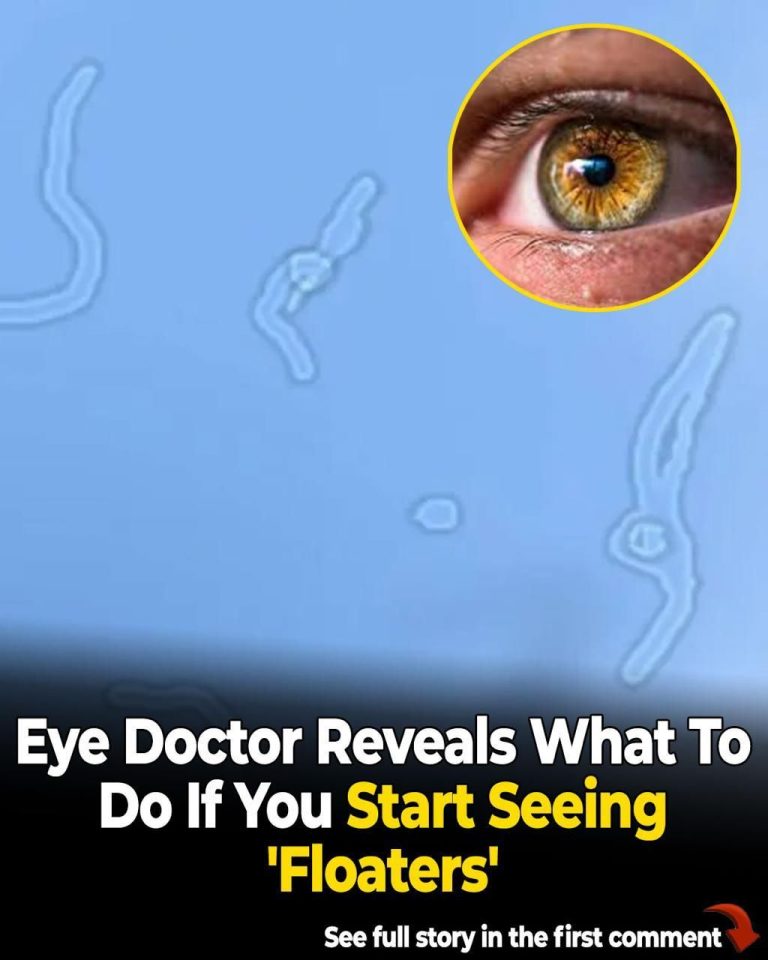
Have you ever looked at a bright blue sky, a white computer screen, or a plain wall and noticed tiny, squiggly lines, specks, or cobweb-like shapes drifting across your field of vision? Known medically as eye floaters (or myodesopsia), these semi-transparent shapes often move when you shift your gaze, drifting away slowly when you try to look at them directly.
While occasional eye floaters are an extremely common and usually harmless part of the natural aging process, a sudden appearance of new floaters—especially when accompanied by bright flashes of light or a dark shadow over your peripheral vision—can signal a serious ocular emergency that requires immediate medical attention from an optometrist or ophthalmologist.
Understanding what causes eye floaters, recognizing critical warning signs, prioritizing regular eye exams, and navigating health insurance coverage for specialized vision care can protect your eyesight, ensure long-term health, and prevent costly emergency procedures.
What Are Eye Floaters? The Biological Mechanics Inside Your Eye
To understand why floaters form, it helps to examine the inner anatomy of the human eye. The main cavity of the eye between the lens and the retina is filled with a clear, gel-like substance called the vitreous humor.
The Degeneration of the Vitreous Gel
When you are young, the vitreous gel is completely firm, clear, and uniform in consistency. However, as a natural part of aging—typically beginning between the ages of 40 and 60—the vitreous humor undergoes a process known as syneresis:
-
Liquefaction and Shrinkage: The clear gel slowly liquefies and shrinks away from the inner surface of the retina.
-
Microscopic Fiber Clumping: As the gel contracts, tiny microscopic collagen fibers inside the vitreous clump together.
-
Shadow Projection: These microscopic fiber clumps cast tiny shadows onto the light-sensitive retina at the back of the eye. What you perceive as “floaters” are actually the projected shadows of these floating protein strands!
+---------------------------+---------------------------------------+------------------------------------+
| Eye Phenomenon            | Internal Cause                        | Clinical Significance              |
+---------------------------+---------------------------------------+------------------------------------+
| Occasional Floaters       | Microscopic collagen fiber clumping   | Benign, natural aging process      |
| Light Flashes (Photopsia) | Vitreous pulling on the retina tissue | Potential vitreous traction/tear   |
| "Curtain" Shadow in Vision| Retinal detachment progress           | Urgent Ocular Medical Emergency    |
| Cloud of Micro-Dots       | Microscopic hemorrhage or inflammation| Requires urgent ophthalmology audit|
+---------------------------+---------------------------------------+------------------------------------+
When Are Floaters Dangerous? Recognizing Ocular Emergencies
While most floaters are harmless nuisances that the brain eventually learns to ignore through neuroadaptation, certain sudden changes indicate a potential threat to your vision.
1. Posterior Vitreous Detachment (PVD)
As the vitreous gel continues to shrink, it eventually pulls completely away from the retina—a condition called Posterior Vitreous Detachment (PVD). PVD is common in older adults and often causes a sudden shower of new floaters along with brief flashes of light in dark environments.
2. Retinal Tears and Retinal Detachment
As the vitreous gel separates from the retina, it can stick to fragile retinal tissue and pull hard enough to create a retinal tear. If a tear occurs, fluid from the vitreous can seep behind the retina, lifting it off the back wall of the eye—a condition known as retinal detachment. Retinal detachment is a severe medical emergency that can lead to permanent vision loss if not repaired surgically within hours or days.
Red Flag Symptoms Requiring Immediate Emergency Care:
-
A sudden, dramatic increase in the number or size of eye floaters.
-
Frequent, bright flashes of light (photopsia) in one or both eyes.
-
A dark, curtain-like shadow or veil spreading across your peripheral or central vision.
-
Sudden blurring or sudden loss of sight in any part of your visual field.
Risk Factors for Eye Floaters and Retinal Issues
Certain individuals are at a higher baseline risk for developing frequent eye floaters, PVD, or retinal tears:
-
Age: Individuals over the age of 50 naturally experience greater vitreous gel shrinkage.
-
Severe Nearsightedness (High Myopia): Highly nearsighted people have elongated eyeballs, which stretches the retina thinner and increases the risk of vitreous detachment and retinal tears.
-
Diabetes: Diabetic retinopathy can cause fragile blood vessels in the retina to bleed into the vitreous humor, appearing as a sudden dark cloud of floaters.
-
Eye Trauma or Prior Surgery: Physical injury to the eye or prior ocular procedures—such as cataract surgery or laser treatments—can accelerate vitreous changes.
-
Eye Inflammation (Uveitis): Inflammatory conditions affecting the middle layers of the eye can release white blood cells into the vitreous, causing dense floating spots.
Navigating Healthcare, Health Insurance, and Vision Care Planning
Protecting your vision requires proactive healthcare choices, routine professional evaluations, and understanding your insurance options.
Comprehensive Dilated Eye Exams
The only way an eye care professional can determine whether floaters are benign or indicative of a retinal tear is through a dilated eye exam. During this exam, special eye drops widen your pupils, allowing the doctor to view your entire retina and vitreous humor using high-magnification lenses and specialized lighting.
Utilizing Health Insurance for Medical Eye Care
It is important to distinguish between routine vision insurance and major medical health insurance:
-
Routine Vision Plans: Typically cover basic refraction tests for glasses or contact lenses.
-
Medical Health Insurance: Covers diagnostic testing, dilated eye evaluations, and emergency treatments for medical eye conditions such as PVD, retinal tears, diabetic retinopathy, or glaucoma.
If you experience a sudden onset of floaters or flashes, your visit to an eye specialist is classified as a medical eye emergency, making it eligible for coverage under standard health insurance policies, subject to co-pays and deductibles. Using Health Savings Accounts (HSA) or Flexible Spending Accounts (FSA) can help manage these out-of-pocket medical costs seamlessly.
Practical Daily Tips for Managing Vision and Protecting Eye Health
-
Schedule Annual Dilated Exams: Make comprehensive eye exams a regular priority, especially if you are over 50, highly nearsighted, or living with diabetes.
-
Wear Protective Eyewear: Protect your eyes from physical trauma during high-impact sports, home renovation projects, or industrial work by wearing certified safety goggles.
-
Practice the 20-20-20 Rule: When working on computers or mobile devices, look away every 20 minutes at an object 20 feet away for at least 20 seconds to reduce digital eye strain and fatigue.
-
Maintain Healthy Blood Sugar and Pressure: Keep your diabetes and hypertension well-managed through balanced nutrition, exercise, and prescribed medications to prevent vascular damage to the retina.
-
Never Ignore Sudden Vision Changes: If you notice a sudden shower of new floaters, flashes of light, or a dark shadow in your vision, seek immediate care from an eye doctor or emergency department.
Fascinating Facts About Human Vision and Physics
-
Fluid Renewal Rate: Unlike aqueous humor in the front of the eye (which constantly drains and refills), the vitreous gel inside the main chamber is formed before birth and is never replaced by the body.
-
Entoptic Phenomena: Floaters are classified as an entoptic phenomenon—a visual effect whose cause originates within the structure of the eye itself rather than in external light.
-
The Speed of Light Detection: The human retina contains over 120 million rod cells for dark vision and 6 million cone cells for color vision, capable of detecting a single photon of light in pitch darkness.
-
Brain Neuroadaptation: Over time, the human brain often “edits out” minor floaters from your conscious awareness, filtering out stationary or familiar shadows so they no longer distract your daily view.
Frequently Asked Questions (FAQ)
Can eye floaters go away on their own?
Floaters rarely disappear completely, but they often become much less noticeable over time. This happens because floaters may naturally settle to the bottom of the eye out of your direct line of sight, and your brain naturally adapts to filter out the persistent shadows.
Are eye floaters a sign of going blind?
Occasional, long-standing floaters are completely normal and do not cause blindness. However, a sudden surge in floaters can indicate a retinal tear or detachment, which can cause permanent vision loss if not diagnosed and treated promptly by an eye specialist.
Can drinking water help reduce eye floaters?
Because the vitreous humor is composed of roughly 99% water, staying properly hydrated supports overall bodily health and ocular fluid balance. However, drinking extra water cannot reverse structural collagen clumping or dissolve existing floaters once they have formed.
Is there a cure or medical treatment for eye floaters?
Most benign floaters require no treatment. In severe cases where dense floaters significantly impair vision, a surgical procedure called a vitrectomy (removing and replacing the vitreous gel) or specialized laser treatment (laser vitreolysis) can be performed, though these procedures carry risks and are reserved for severe cases.
What should I do immediately if I see a sudden flash of light with new floaters?
Contact an optometrist, ophthalmologist, or emergency room immediately for an urgent dilated eye exam. Prompt medical attention ensures any potential retinal tear is detected and repaired before it progresses to a full retinal detachment.
Conclusion
Seeing occasional floaters drifting across your vision is a natural part of growing older and is generally no cause for alarm. However, paying close attention to your eyes, recognizing emergency warning signs—such as flashes of light or sudden visual shadows—and scheduling routine dilated eye exams are essential steps for protecting your sight. By staying proactive with your eye health, managing health insurance benefits, and seeking prompt care when changes occur, you preserve your visual clarity and enjoy a lifetime of good health!
