
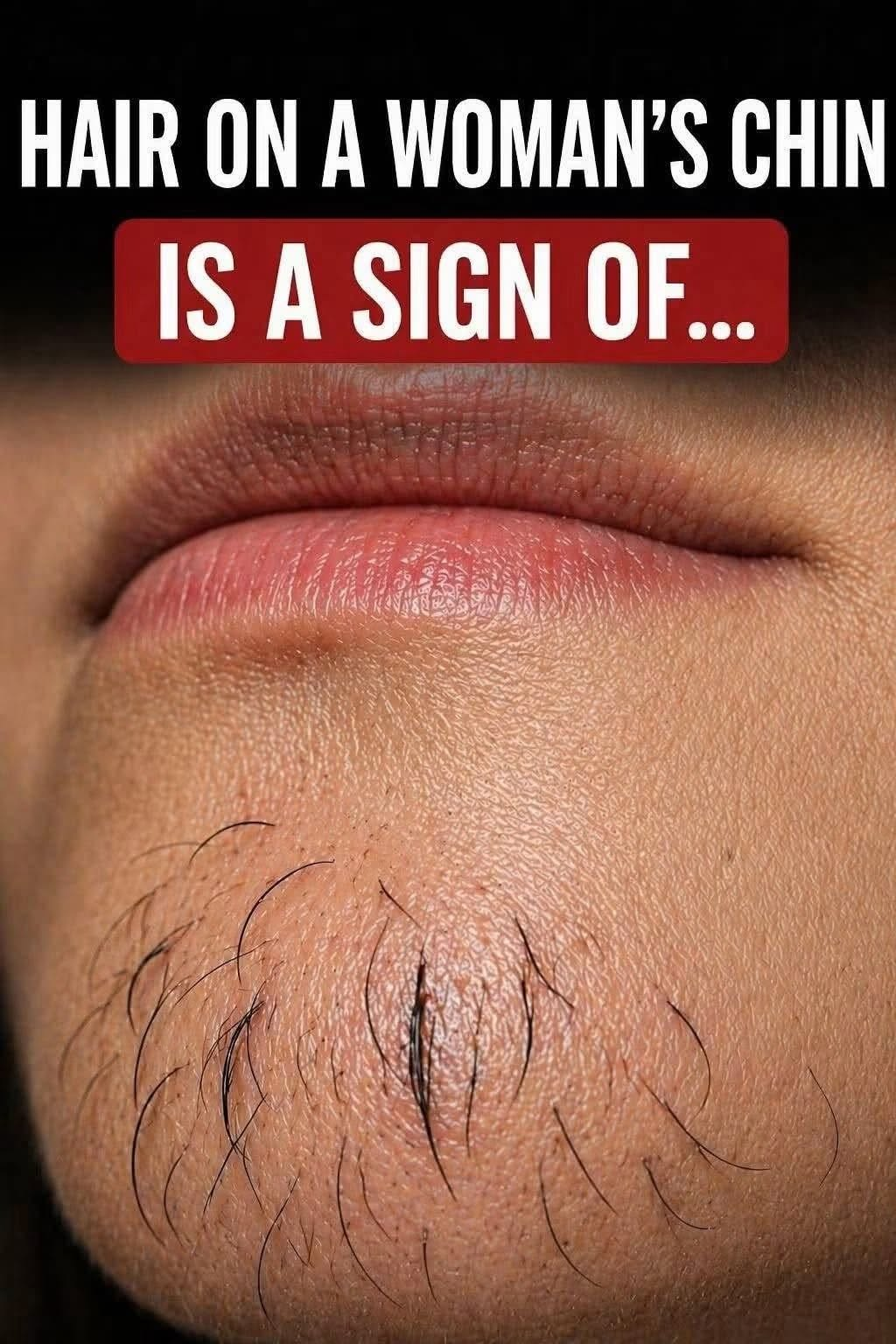
Body hair is a completely natural part of being human. Every person, regardless of biological sex, has hair follicles distributed across almost every square inch of their skin. However, society often attaches heavy stigmas, beauty standards, and misconceptions to where and how body hair grows, particularly when it appears on a woman’s face.
When viral headlines ask what hair on a woman’s chin is a sign of, it sparks curiosity and discussion regarding hormonal health, genetics, and bodily changes. While many women experience occasional stray chin hairs as a completely normal part of aging, denser or coarser hair growth can sometimes signal underlying hormonal shifts. In this comprehensive guide, we will explore the medical reasons behind chin hair, the role of hormones like androgens, and practical ways to manage it while prioritizing overall health.
Understanding the Causes: Why Do Women Grow Chin Hair?
Hair growth patterns are primarily governed by genetics and hormones. To understand why chin hair appears, it helps to examine how the endocrine system regulates hair follicles across the body.
                  [ HORMONAL & GENETIC FACTORS ]
                               │
        ┌──────────────────────┴───────────────────────┐
        ▼                                               ▼
[ Normal Aging & Genetics ]                     [ Hormonal Shifts ]
  • Natural baseline variations                   • Androgen sensitivity
  • Postmenopausal hormone changes                • Conditions like PCOS
1. Normal Genetics and Aging
Every woman has fine, vellus hairs across her face, including the chin. As women age—particularly around perimenopause and menopause—estrogen and progesterone levels naturally decline. This shift can cause male-hormone influences (androgens), which are naturally present in small amounts in female bodies, to become more dominant, sometimes turning fine vellus hairs into coarser, darker strands.
2. Hormonal Imbalances and Androgens
When excess or coarse hair growth appears suddenly or densely on the chin, jawline, or upper lip (a condition known as hirsutism), it is often a sign of elevated androgen levels or increased sensitivity of hair follicles to androgens. This can be associated with endocrine conditions such as Polycystic Ovary Syndrome (PCOS), a common hormonal disorder affecting reproductive-aged women.
Step-by-Step Guide: Managing Facial Hair and Consulting Medical Professionals
Managing chin hair is a common part of many women’s grooming routines, but understanding when to seek medical advice is equally important for overall health.
┌─────────────────────────────────────────────────────────┐
│              FACIAL HAIR MANAGEMENT ROUTINE             │
└────────────────────────────┬────────────────────────────┘
                             │
                             ▼
┌─────────────────────────────────────────────────────────┐
│ STEP 1: CHOOSE A GROOMING METHOD                        │
│ • Safe options include plucking, waxing, or shaving     │
│ • Long-term solutions include electrolysis or laser     │
└────────────────────────────┬────────────────────────────┘
                             │
                             ▼
┌─────────────────────────────────────────────────────────┐
│ STEP 2: MONITOR FOR ASSOCIATED SYMPTOMS                 │
│ • Watch for irregular menstrual cycles or skin changes  │
│ • Note rapid or excessive hair growth patterns          │
└────────────────────────────┬────────────────────────────┘
                             │
                             ▼
┌─────────────────────────────────────────────────────────┐
│ STEP 3: CONSULT A HEALTHCARE PROVIDER                   │
│ • Visit a dermatologist, gynecologist, or endocrinologist│
│ • Request hormone panels if underlying issues are suspected│
1. Exploring Removal and Treatment Options
-
Temporary Grooming: Plucking, waxing, shaving, threading, and depilatory creams offer quick, short-term solutions for removing stray chin hairs.
-
Long-Term Solutions: Laser hair removal and electrolysis target the hair follicle directly, offering more permanent reduction for coarse, dark hair.
2. Monitoring Associated Symptoms
Pay attention to whether facial hair growth is accompanied by other signs of hormonal imbalance, such as irregular menstrual cycles, unexplained weight changes, adult acne, or thinning hair on the scalp.
3. Consulting a Medical Professional
If you notice rapid, excessive, or distressing hair growth, schedule an appointment with a primary care doctor, dermatologist, or endocrinologist. Simple blood tests can evaluate your hormone levels and determine if conditions like PCOS are present.
Fascinating Facts About Human Hair Growth
-
Follicle Distribution: Humans have roughly 5 million hair follicles across their bodies from birth; no new follicles are created as we age.
-
Androgen Sensitivity: Not everyone with high androgen levels grows excess hair; individual sensitivity varies greatly depending on genetic predispositions.
-
Cultural Norms: Societal perceptions of facial hair on women vary widely across history and geography, though modern dermatology has made managing unwanted hair easier than ever.
Practical Checklist for Wellness and Grooming
-
Be Gentle on Skin: Use clean tools and soothing moisturizers after grooming to prevent skin irritation or ingrown hairs.
-
Track Your Cycle: Keep a record of your menstrual cycle to share with your doctor if hormonal imbalances are suspected.
-
Prioritize Self-Compassion: Remember that stray chin hairs are an extremely common, normal human experience shared by millions of women.
-
Seek Professional Guidance: Always consult a qualified physician for persistent or sudden hormonal symptoms.
Conclusion
Hair on a woman’s chin can be anything from a normal, harmless genetic trait to a sign of natural aging or underlying hormonal shifts. Understanding the science behind hair growth helps remove the stigma and embarrassment often associated with it. Whether managing stray hairs with simple grooming techniques or consulting a healthcare professional for hormonal health, taking a proactive approach ensures both confidence and overall well-being.
Frequently Asked Questions (FAQ)
Is a few stray chin hairs normal for women?
Yes! Finding a few coarse or fine hairs on the chin from time to time is completely normal and experienced by the vast majority of women, especially as they age.
What is hirsutism?
Hirsutism is a medical term for excessive, male-pattern hair growth in women, typically appearing on the face, chest, or back, often driven by elevated androgen levels.
Can PCOS cause hair to grow on the chin?
Yes, Polycystic Ovary Syndrome (PCOS) is one of the most common causes of significant facial and body hair growth in women due to hormonal imbalances.
When should I see a doctor about chin hair?
You should consult a doctor if hair growth appears suddenly, becomes dense and coarse very quickly, or is accompanied by irregular periods, severe acne, or other unexplained symptoms.
