
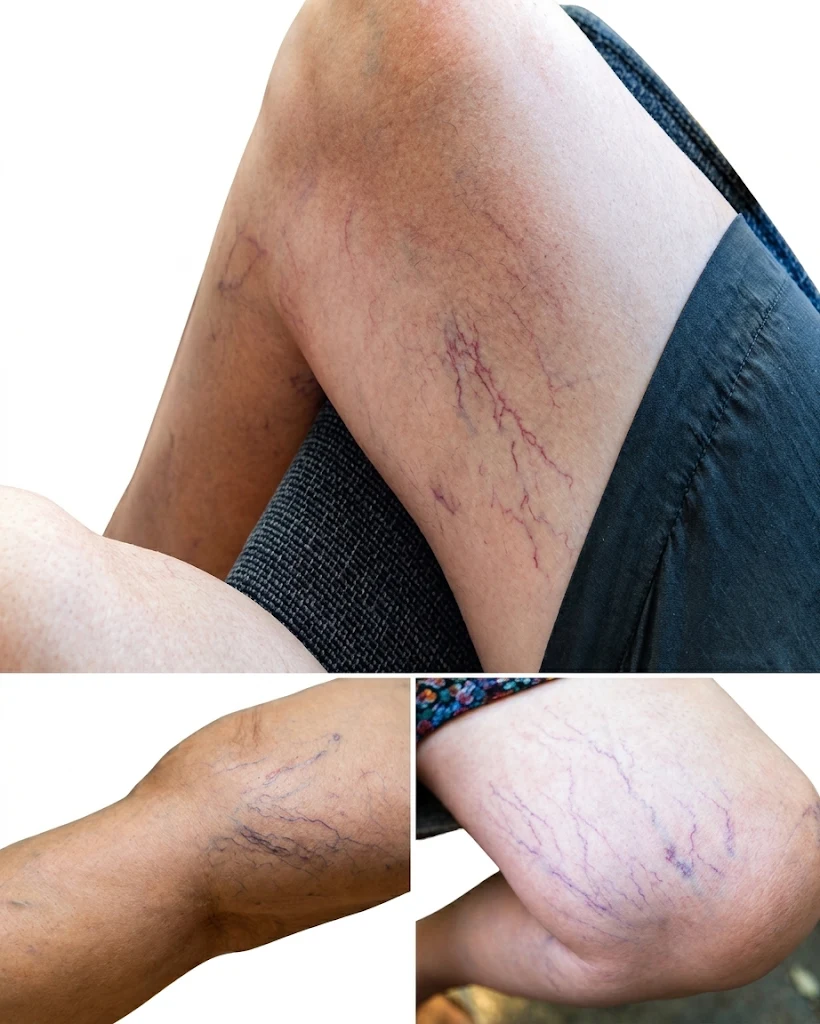
Purple Veins on Your Legs: What They Mean, Common Causes, and When to See a Doctor
Purple veins on the legs are often harmless, but in some cases they may signal underlying circulation problems that deserve medical attention.
Many people notice thin purple, blue, or red veins appearing on their legs as they get older. While these visible veins are often dismissed as a cosmetic issue, they can sometimes be a sign of changes in blood circulation. Understanding what causes them and recognizing when they may indicate a more serious condition can help protect your long-term vascular health.


5
Purple veins, often called spider veins, occur when tiny blood vessels near the surface of the skin become enlarged and visible. They commonly appear on the thighs, calves, ankles, or behind the knees. Unlike larger varicose veins, spider veins are usually flat and do not bulge significantly from the skin.
Several
factors can contribute to the development of purple veins. Age is one of the most common causes, as vein walls naturally weaken over time. Genetics also play a major role, meaning people with a family history of spider veins are more likely to develop them. Hormonal changes during pregnancy, menopause, or while taking certain medications may increase the risk as well.
Another major factor is prolonged standing or sitting. When blood circulation slows, pressure can build up in the veins of the legs, making them more visible. Excess weight and a sedentary lifestyle can further increase strain on the vascular system.
Common Symptoms Associated with Spider Veins
Although many people experience no discomfort, some may notice:
- Mild aching or heaviness in the legs
- Burning or throbbing sensations
- Swelling around the ankles
- Leg fatigue after standing for long periods
- Itching near affected veins
These symptoms are often mild but may become
more noticeable as vein problems progress.


6
Could Purple Veins Indicate a Health Problem?
In many cases, spider veins are not dangerous. However, they can sometimes be associated with chronic venous insufficiency, a condition in which veins have difficulty returning blood to the heart efficiently.
Warning signs that may suggest a more significant circulation issue include:
- Persistent leg swelling
- Pain that worsens throughout the day
- Skin discoloration around the ankles
- Thickened or hardened skin
- Slow-healing sores or ulcers on the legs
If these symptoms are present, a medical evaluation is recommended to determine whether an underlying vascular condition is contributing to the visible veins.
Prevention and Lifestyle Tips
While it may not always be possible to prevent spider veins entirely, several habits can help reduce the risk:
- Stay physically active with regular walking or exercise.
- Avoid sitting or standing in the same position for extended periods.
- Maintain a healthy weight.
- Elevate your legs when resting.
- Wear compression stockings if recommended by a healthcare professional.
- Follow a balanced diet rich in fruits, vegetables, and fiber.
These simple lifestyle adjustments can improve circulation and reduce pressure on leg veins.
6
Treatment Options
For those concerned about appearance or symptoms, several treatment options are available. Common procedures include:
- Sclerotherapy
- Laser therapy
- Radiofrequency treatments
- Vein ablation procedures
A vascular specialist can recommend the most appropriate treatment based on the severity of the condition and individual health factors.
Final Thoughts
Purple veins on the legs are extremely common and often harmless. However, they should not be ignored if they are accompanied by pain, swelling, skin changes, or other symptoms of poor circulation. Paying attention to these signs and seeking professional advice when necessary can help identify potential vascular issues early and support better overall leg health.
Purple Veins on Your Legs: Understanding the Causes,
Symptoms, Prevention, and Treatment
Understanding the Different Types of Visible Leg Veins
Not all visible veins on the legs are the same. Although people often use the term “purple veins” to describe any noticeable blood vessels beneath the skin, several different conditions can cause this appearance. Identifying the type of vein can help determine whether it is primarily a cosmetic concern or a sign of an underlying circulation problem.
Spider veins are among the most common forms of visible veins. They are small, thin blood vessels that appear close to the skin’s surface. They may be red, purple, or blue and often form delicate branching patterns resembling spider webs or tree branches. Spider veins are usually flat and tend to appear on the thighs, calves, and around the knees.
Reticular veins are slightly larger than spider veins and often appear blue or greenish beneath the skin. They may form a
network of visible vessels and sometimes feed into smaller spider veins. Although reticular veins are frequently harmless, they can occur alongside other vein conditions.
Varicose veins, in contrast, are larger, swollen veins that often appear twisted or raised above the skin. They are commonly blue or purple and may be accompanied by aching, heaviness, itching, or swelling. Varicose veins are more likely than isolated spider veins to indicate problems with the valves that help blood travel upward from the legs toward the heart.
These conditions can overlap. Someone may have a few tiny spider veins alongside larger varicose veins, while another person may develop visible veins without experiencing any discomfort. Appearance alone cannot establish the severity of a circulation problem, so persistent or concerning symptoms should be assessed by a healthcare professional.
How Blood Circulation Affects the Veins in Your Legs
To understand why purple veins appear, it helps to
know how the circulatory system works.
Arteries carry blood away from the heart, while veins return blood toward it. In the legs, veins must move blood upward against gravity. Small one-way valves inside the veins help prevent blood from flowing backward.
When these valves function properly, blood moves toward the heart efficiently. However, if the valves become weakened or damaged, some blood may flow backward and collect in the veins. This can increase pressure inside the vessels, causing them to enlarge and become more visible.
This process is associated with chronic venous insufficiency, a condition in which the veins have difficulty returning blood to the heart effectively. It may cause varicose veins, leg swelling, skin changes, and, in more advanced cases, ulcers near the ankles.
Not everyone with spider veins has chronic venous insufficiency. Small visible vessels can develop without significant impairment of circulation. Nevertheless, when purple veins appear alongside
persistent swelling, aching, or skin discoloration, the possibility of an underlying venous condition deserves attention.
Why Purple Veins May Become More Noticeable Over Time
Visible veins can change gradually over the years. Some people first notice them during their twenties or thirties, while others develop them later in life. Several factors influence how noticeable these vessels become.
Natural changes in the skin: As people age, the skin generally becomes thinner and loses some of its elasticity. The layer of tissue covering superficial blood vessels may also change, making veins easier to see even when the vessels themselves have not changed significantly.
Hormonal fluctuations: Hormones can influence the walls of blood vessels and the surrounding tissues. Pregnancy, menopause, and certain hormonal medications may contribute to the development or increased visibility of veins in some individuals.
Changes in body weight: Excess body weight can increase pressure on the veins of the lower
body. Weight changes may also alter the appearance of the skin and the visibility of superficial vessels.
Reduced physical activity: Long periods of inactivity can limit the action of the calf muscles, which help pump blood upward through the legs. This can contribute to pooling of blood and may aggravate symptoms in people who already have venous problems.
Occupational demands: People who spend much of their working day standing or sitting may experience increased leg discomfort or swelling. Teachers, retail workers, healthcare professionals, drivers, and office employees may all be affected, although the degree of risk varies from person to person.
These factors do not guarantee that someone will develop visible veins. Genetics, individual anatomy, medical history, and other circumstances also influence the likelihood of developing them.
When Leg Discomfort Should Not Be Ignored
Purple veins alone are rarely an emergency. The situation becomes more concerning when visible vessels are


