
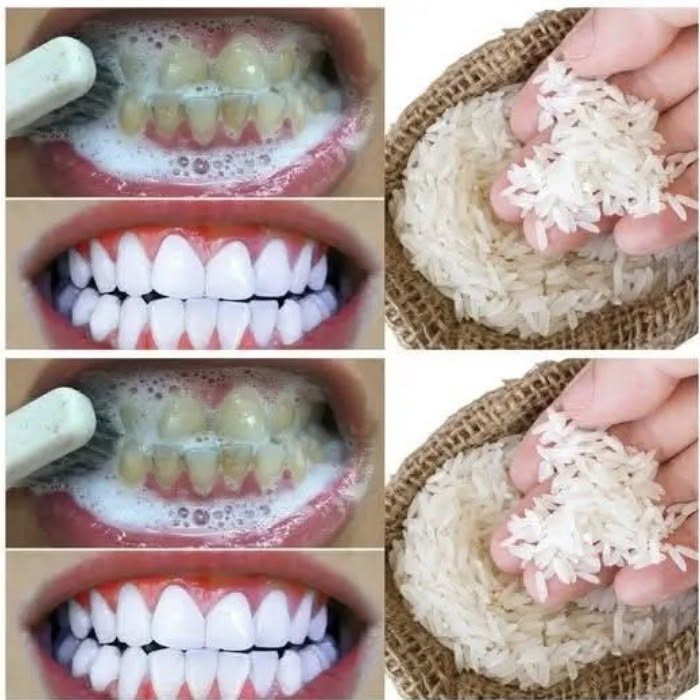
A bright, radiant smile is often seen as a hallmark of youth, health, and vitality. In recent years, viral social media trends have promoted a vast array of home remedies claiming to transform discolored teeth into pearly whites overnight. From kitchen staples like rice powder, baking soda, and coconut oil to activated charcoal and fruit peels, DIY teeth whitening methods have taken the internet by storm.
However, behind these attractive viral claims lies a crucial question: Do these natural remedies actually work, or could they be doing permanent damage to your tooth enamel?
In this comprehensive guide, we examine the truth behind natural whitening hacks, explore safe, science-backed methods for stain removal, analyze modern dental treatments, and discuss how taking care of your oral health plays a vital role in your overall wellness and financial peace of mind.
Understanding Tooth Discoloration: Why Teeth Change Color
To effectively whiten your teeth, it is essential to first understand why teeth become discolored in the first place. Tooth stains generally fall into two main categories: extrinsic and intrinsic.
Extrinsic Stains
Extrinsic stains occur on the outer layer of the tooth, known as the enamel. These surface stains are typically caused by everyday lifestyle factors, including:
-
Dark Beverages: Coffee, black tea, red wine, and dark sodas contain strong pigments called chromogens that attach to enamel.
-
Dietary Choices: Highly pigmented foods such as berries, tomato sauce, and curry can leave residue on teeth over time.
-
Tobacco Use: Nicotine and tar found in cigarettes and cigars quickly turn teeth yellowish or brown.
-
Poor Oral Hygiene: Inadequate brushing and flossing allow plaque and tartar—a hardened bacterial film—to accumulate, making teeth appear yellow or dull.
Intrinsic Stains
Intrinsic stains develop deep within the inner structure of the tooth, known as the dentin. Unlike extrinsic surface stains, intrinsic discoloration cannot be brushed away with surface abrasives. Common causes include:
-
Aging: As you age, the protective outer enamel layer gradually wears down, revealing the naturally yellow dentin beneath.
-
Medications: Certain antibiotics, such as tetracycline, given during early childhood or pregnancy can permanently discolor developing teeth.
-
Dental Trauma: Physical injury to a tooth can cause internal bleeding or nerve damage, turning the tooth dark gray or black.
-
Excessive Fluoride Exposure: Overexposure to high levels of fluoride during childhood can cause fluorosis, which presents as white spots or streaked enamel.
Debunking Viral Natural Whitening Hacks
Social media platforms are filled with DIY remedies promising immediate whitening results using simple household ingredients. While these hacks appear convenient and cost-effective, many carry significant dental risks.
1. The Rice Flour and Abrasive Powder Trend
Some viral videos suggest using ground rice powder or coarse DIY scrubs as an abrasive paste to scrape away yellow stains.
The Reality: While abrasive particles can temporarily scour away soft surface residue, coarse powders act like sandpaper on your teeth. Scrubbing with unrefined abrasives gradually wears away the enamel layer. Because enamel cannot regenerate, thinning it exposes the naturally yellow dentin underneath, ultimately making your teeth look darker while increasing sensitivity and vulnerability to cavities.
2. Acidic Fruit Scrubs (Lemon, Strawberries, and Baking Soda)
Another popular trend involves combining acidic fruit juices, like lemon or crushed strawberries, with baking soda to create a paste.
The Reality: Acids soften and dissolve tooth enamel through a process called demineralization. While baking soda is a mild abrasive that neutralizes acid slightly, applying acidic mixtures directly to enamel accelerates erosion. Over time, enamel erosion causes severe tooth sensitivity, gum irritation, and long-term damage requiring cosmetic or restorative dental interventions.
3. Activated Charcoal and Oil Pulling
Activated charcoal paste and swishing with oils like coconut oil (oil pulling) are widely praised in wellness communities.
The Reality: Activated charcoal is highly abrasive and can micro-scratch enamel surface textures. While oil pulling is a traditional practice that may help reduce harmful oral bacteria, scientific evidence demonstrating its ability to whiten teeth remains extremely limited.
Safe, Effective, and Science-Backed Whitening Solutions
If viral DIY hacks carry hidden risks, what are the safest ways to achieve a brighter smile? Fortunately, several clinically proven options are available.
Over-the-Counter (OTC) Whitening Products
-
Whitening Toothpastes: Formulated with mild abrasives and chemical agents like hydrogen peroxide, these toothpastes help remove surface stains without damaging enamel when used as directed. Look for products certified by recognized dental organizations.
-
Whitening Strips: Thin flexible strips coated with peroxide-based gels press directly against teeth to break down moderate extrinsic stains over several days or weeks.
Professional In-Office Dental Treatments
For dramatic and safe results, professional treatments administered by a licensed dentist remain the gold standard.
-
In-Office Laser or LED Whitening: High-concentration hydrogen peroxide gels are applied to the teeth and activated using specialized lights. This treatment can brighten teeth by several shades in a single appointment.
-
Custom Dental Trays: Dentists create customized trays fitted to your exact mouth structure, accompanied by professional-grade bleaching gel for safe application at home.
The Financial Aspect of Oral Health: Insurance, Care, and Investment
Maintaining a healthy, bright smile is not merely a matter of cosmetics—it is a critical component of personal wellness and financial planning. Dental emergencies, advanced decay, and severe enamel damage resulting from unsafe home hacks can quickly lead to substantial out-of-pocket medical expenses.
Dental Insurance and Preventive Care
Securing reliable Health and dental Insurance coverage helps cushion against unexpected clinical costs. Most dental plans cover routine checkups, professional cleanings, and digital X-rays every six months. Regular cleanings remove hardened tartar that no home toothbrush can erase, helping maintain a clean aesthetic while preventing costly structural procedures later.
Evaluating Financial Options: Loans, Credit, and HSA/FSA
Elective cosmetic treatments—such as professional whitening, veneers, or orthodontic alignments—are typically not covered by basic dental Insurance. When planning cosmetic improvements, patients often explore various Finance avenues:
-
Health Savings Accounts (HSA) and Flexible Spending Accounts (FSA): Pre-tax funds can frequently be used for medically necessary treatments and specialized hygiene care.
-
Medical Credit Options and Personal Loans: Specialized healthcare Credit plans or low-interest personal Loan arrangements allow individuals to structure cosmetic dental treatments into manageable monthly budgets.
-
Investment in Prevention: Viewing daily oral care as a long-term Investment in your overall health saves thousands of dollars in restorative dentistry over a lifetime.
Practical Tips for Daily Smile Maintenance
Keeping your teeth white and healthy does not require dangerous home hacks. Implementing small daily lifestyle adjustments yields sustainable, long-term benefits:
-
Brush Twice Daily with Fluoride: Use a soft-bristled toothbrush and fluoride toothpaste to strengthen enamel and sweep away plaque.
-
Floss Daily: Flossing removes plaque and trapped food particles between teeth where toothbrush bristles cannot reach.
-
Drink Water After Meals: Rinsing your mouth with water after drinking coffee, tea, or wine helps wash away dark pigments and neutralize acidic buildup.
-
Use a Straw: Consuming pigmented or acidic beverages through a straw minimizes direct contact with your front teeth.
-
Schedule Bi-Annual Cleanings: Professional dental cleanings remove tartar buildup and keep your enamel smooth and polished.
Fascinating Facts About Human Teeth
-
Enamel is the Hardest Substance in the Body: Tooth enamel is even harder than bone, consisting primarily of mineralized hydroxyapatite. However, unlike bone, enamel lacks living cells and cannot regenerate once lost.
-
Your Smile is Unique: Like fingerprints, no two people have the exact same teeth alignment or tooth print—even identical twins have unique dental structures.
-
Saliva is a Natural Protector: Saliva contains minerals like calcium and phosphate that actively help remineralize enamel and neutralize harmful bacterial acids.
Frequently Asked Questions (FAQ)
Can lost tooth enamel grow back?
No. Enamel does not contain living cells, meaning the body cannot produce new enamel once it wears away. However, existing enamel can be remineralized and strengthened using fluoride products and calcium-rich diets.
Is baking soda safe for cleaning teeth?
Baking soda has mild abrasive properties and can help remove surface stains, but it should be used sparingly. Excessive or aggressive use can wear down enamel over time.
How often should I get professional teeth cleaning?
Most dentists recommend receiving a professional cleaning every six months to maintain optimal oral hygiene and prevent plaque buildup.
Why do my teeth feel sensitive after whitening treatments?
Whitening agents temporarily open micro-pores in enamel to reach stained molecules within the tooth. This temporarily exposes sensitive nerve pathways. Sensitivity usually subsides within a few days following treatment.
Conclusion
While quick DIY teeth whitening hacks circulating on social media may seem tempting, many rely on harsh abrasives or acidic ingredients that cause permanent enamel erosion and long-term dental issues. Safe, lasting results come from evidence-based practices, gentle over-the-counter products, and guidance from qualified dental professionals. By prioritizing preventative care, staying informed about your health, and managing your wellness budget wisely, you can protect both your physical health and your bright, confident smile for years to come.
