
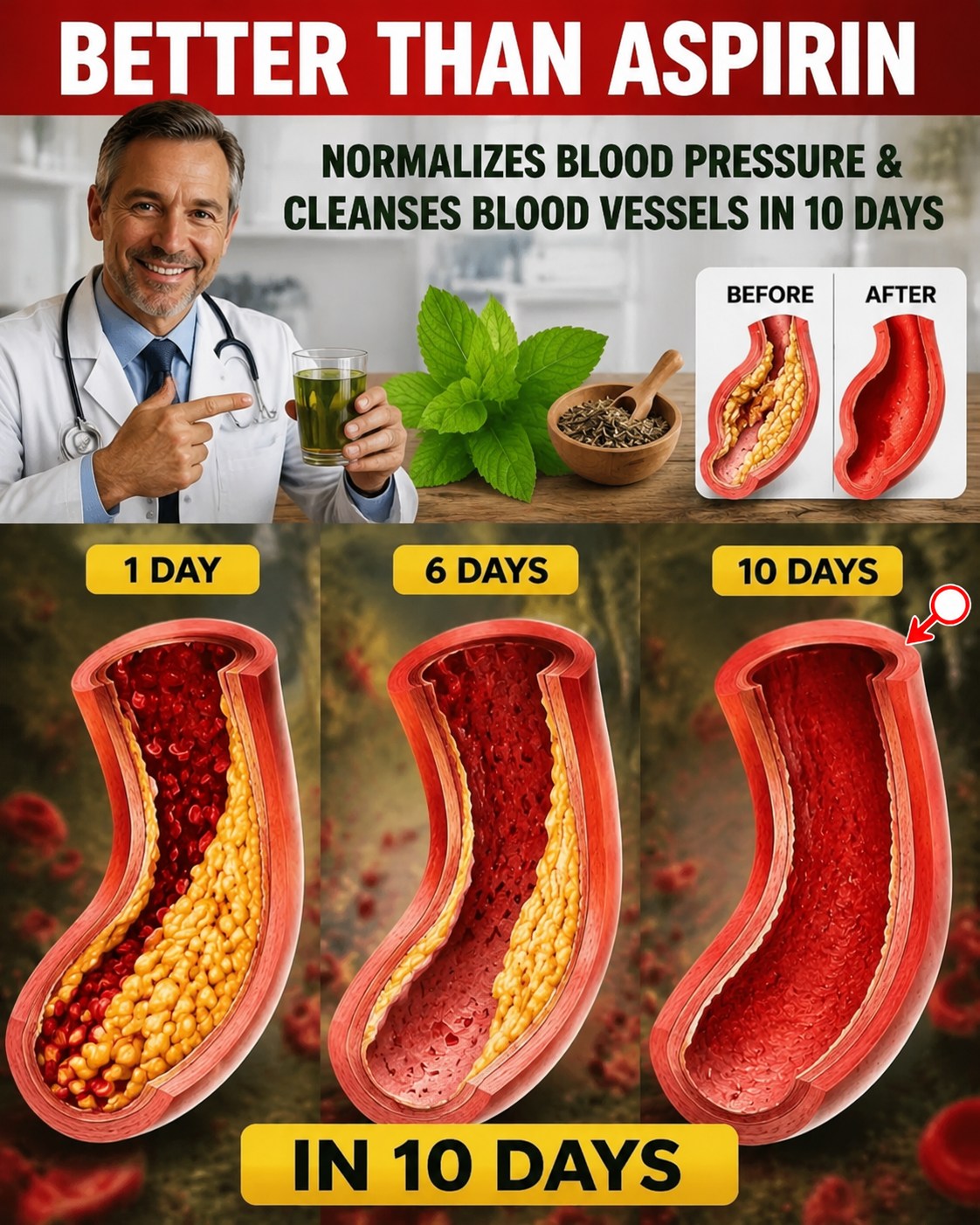
Cardiovascular health remains one of the most critical aspects of overall well-being. Millions of individuals worldwide manage high blood pressure (hypertension) and arterial plaque buildup, conditions that significantly increase the risk of heart disease, stroke, and vascular complications. In the quest for optimal heart care, many people seek natural remedies, herbal teas, and dietary modifications to support clear blood vessels and healthy circulation alongside conventional medical treatments.
While viral claims online often promote miracle home remedies that purport to “cleanse blood vessels in 10 days,” understanding the true medical science behind cardiovascular wellness is essential. Sustainable vascular health requires evidence-based strategies, consistent nutrition, lifestyle management, and professional healthcare guidance.
In this comprehensive guide, we will explore natural methods to support arterial health, the medical realities of blood pressure management, practical dietary habits, and the broader financial and health insurance considerations involved in cardiovascular care.
Understanding Blood Pressure and Arterial Health
The human circulatory system is an intricate network of blood vessels responsible for delivering oxygenated blood and essential nutrients throughout the body. Understanding how arteries function helps clarify how lifestyle choices impact long-term heart health.
What Is Atherosclerosis?
Atherosclerosis occurs when fatty deposits, cholesterol, cellular waste products, and calcium build up along the inner walls of arteries, forming sticky structures known as plaque. Over time, plaque accumulation causes arterial walls to narrow and harden, restricting smooth blood flow and forcing the heart to exert greater pressure to pump blood.
The Dangers of Uncontrolled High Blood Pressure
Hypertension places continuous mechanical stress on delicate blood vessel walls, accelerating arterial damage and increasing the risk of serious medical events, including:
-
Heart Attack: Caused by blocked coronary arteries supplying the heart muscle.
-
Stroke: Caused by blocked or ruptured blood vessels in the brain.
-
Kidney Disease: Caused by damaged micro-vessels in the renal filtration system.
-
Peripheral Artery Disease (PAD): Reduced blood flow to limbs and extremities.
Debunking “10-Day Miracle Cleanse” Myths
Viral sensationalism often promises immediate arterial cleansing using simple herbal infusions or single ingredients. However, clinical cardiology confirms that clearing arterial plaque is a gradual, long-term biological process rather than a quick overnight fix.
Why Rapid “Arterial Cleansing” Claims Are Misleading
-
Plaque Is Embedded in Vessel Walls: Arterial plaque does not sit loosely on the surface of blood vessel linings like dirt in a pipe; it develops beneath the innermost layer of the artery (the endothelium).
-
Biological Dissolution Takes Time: Safely stabilizing and regression of arterial plaque requires months and years of consistent medical therapy, dietary intervention, exercise, and cholesterol management.
-
Risks of Abruptly Stopping Prescribed Medication: Replacing prescribed medications like aspirin, statins, or blood pressure drugs with unproven home remedies without consulting a doctor can lead to dangerous blood pressure spikes or blood clot formation.
Evidence-Based Natural Approaches to Cardiovascular Support
While rapid remedies are a myth, incorporating proven natural habits and nutrient-rich herbs can support optimal circulation, vascular flexibility, and balanced blood pressure over time.
1. Herbal Teas and Plant-Based Antioxidants
Certain natural herbs and botanical teas contain rich bioactive compounds that promote vascular health:
-
Green Tea and Mint Infusions: Abundant in epigallocatechin gallate (EGCG) and powerful polyphenols, green tea helps reduce systemic inflammation, supports endothelial function, and protects LDL cholesterol from oxidation.
-
Hibiscus Tea: Clinical studies suggest that consuming hibiscus tea daily can assist in lowering both systolic and diastolic blood pressure through natural vasodilation.
-
Garlic Extract: Allicin, an active organosulfur compound found in fresh garlic, helps relax smooth vascular muscle tissue and supports arterial elasticity.
2. The Mediterranean Diet Pattern
Adopting a nutrient-dense, plant-forward Mediterranean diet provides the foundation for clear blood vessels and heart longevity:
-
Healthy Fats: Olive oil, avocado, nuts, and omega-3-rich fish (like salmon and sardines) improve lipid profiles and lower systemic arterial inflammation.
-
High-Fiber Foods: Soluble fiber found in oats, legumes, beans, and berries binds to excess cholesterol in the digestive tract, encouraging its removal from the body.
-
Potassium-Rich Produce: Leafy greens, bananas, sweet potatoes, and tomatoes supply potassium, which balances sodium levels and eases tension in blood vessel walls.
3. Regular Aerobic Exercise
Physical activity is a powerful natural tool for normalizing blood pressure:
-
Aim for at least 150 minutes of moderate aerobic exercise per week (such as brisk walking, swimming, or cycling).
-
Regular exercise stimulates nitric oxide production in blood vessels, which naturally dilates arteries and improves overall cardiovascular performance.
Comparing Aspirin Therapy and Natural Supports
Aspirin is commonly prescribed by cardiologists for secondary prevention of heart attacks and strokes because it acts as an antiplatelet agent, preventing blood cells from clumping together to form fatal blood clots.
| Feature | Aspirin Therapy | Natural Supports & Lifestyle |
| Primary Function |
Prevents blood clot formation (antiplatelet action) |
Promotes vascular elasticity & reduces inflammation |
| Mechanism | Inhibits COX-1 enzymes to stop platelet aggregation |
Supplies antioxidants, nitric oxide precursors, & fiber |
| Plaque Cleansing | Does not dissolve existing plaque |
Supports long-term lipid management & plaque stabilization |
| Medical Purpose | Prescribed for high-risk cardiovascular patients |
General wellness, prevention, & holistic support |
Note: Always consult a primary care physician before starting, stopping, or replacing any prescribed antiplatelet or blood pressure medication.
Financial, Health Insurance, and Legal Aspects of Heart Health
Managing cardiovascular wellness involves crucial practical planning to protect family finances and maintain continuous healthcare access.
Health Insurance Coverage and Preventative Care
Comprehensive health insurance policies frequently cover preventative cardiovascular screenings, including annual blood pressure checks, lipid panel blood tests, and diagnostic consultations with cardiologists. Leveraging insurance-covered annual wellness exams enables early detection of elevated blood pressure before arterial damage occurs.
Disability Insurance and Financial Protection
Severe cardiovascular events like heart attacks or strokes can temporarily or permanently interrupt an individual’s ability to work. Securing short-term and long-term disability insurance safeguards household income, allowing individuals to focus on physical recovery without financial strain.
Legal Directives and Healthcare Planning
Working with legal services or an estate planning attorney helps families prepare for medical contingencies:
-
Medical Power of Attorney: Designates a trusted advocate to make healthcare decisions during acute medical emergencies.
-
Advanced Health Directives: Specifies preferences for hospital care, emergency treatments, and specialized medical procedures.
Practical Tips for Daily Blood Pressure Management
-
Monitor Blood Pressure at Home: Keep a digital upper-arm blood pressure monitor at home and record daily morning and evening readings to share with your physician.
-
Reduce Sodium Intake: Limit processed, pre-packaged, and restaurant meals, aiming for under 2,300 mg (or 1,500 mg for higher-risk individuals) of sodium per day.
-
Practice Daily Stress Management: Chronic stress elevates cortisol and adrenaline levels, raising blood pressure. Incorporate deep breathing exercises, meditation, or nature walks into daily routines.
-
Maintain Adequate Hydration: Drinking sufficient water throughout the day supports proper blood volume and optimal circulatory function.
Fascinating Facts About the Human Circulatory System
-
Vast Vessel Network: If laid end-to-end, the blood vessels of an adult human body would stretch for over 60,000 miles—enough to circle the Earth more than twice!
-
Continuous Pumping: The human heart pumps approximately 2,000 gallons of blood through arterial pathways every single day.
-
Endothelial Magic: The endothelium—the inner lining of blood vessels—produces natural chemicals that control vascular expansion, contraction, and blood clotting balance.
Conclusion
Achieving healthy blood pressure and maintaining clear, elastic blood vessels is a lifelong journey grounded in balanced nutrition, regular exercise, stress management, and medical partnership. While dramatic claims promising 10-day arterial cleanses make attractive headlines, true cardiovascular vitality stems from daily health habits and evidence-based medical care.
By incorporating natural antioxidants, supporting dietary habits, regular physical activity, and proper health insurance coverage, you can safeguard your heart, support smooth blood circulation, and protect your long-term health and financial security.
Frequently Asked Questions (FAQ)
Can natural teas or herbs completely dissolve arterial plaque in 10 days?
No. Arterial plaque develops beneath vessel walls over years. Safely stabilizing or shrinking plaque requires long-term lifestyle changes, dietary management, and proper medical guidance.
Is it safe to stop taking aspirin or blood pressure drugs if I feel healthy?
No. Never stop prescribed cardiovascular medications abruptly without consulting your doctor. Doing so can lead to dangerous rebound high blood pressure or increased clot risks.
What natural ingredients support blood vessel elasticity?
Green tea, mint, hibiscus, garlic, olive oil, leafy greens, and omega-3 fatty acids supply key antioxidants and nitric oxide precursors that support vascular flexibility.
How does high blood pressure damage arteries over time?
Persistent high blood pressure creates micro-tears in arterial linings, allowing cholesterol and fats to collect and form hardening plaque over time.
How often should I check my blood pressure?
Adults should have their blood pressure checked at least once a year by a healthcare provider, while individuals with diagnosed hypertension should monitor their readings daily at home.
