
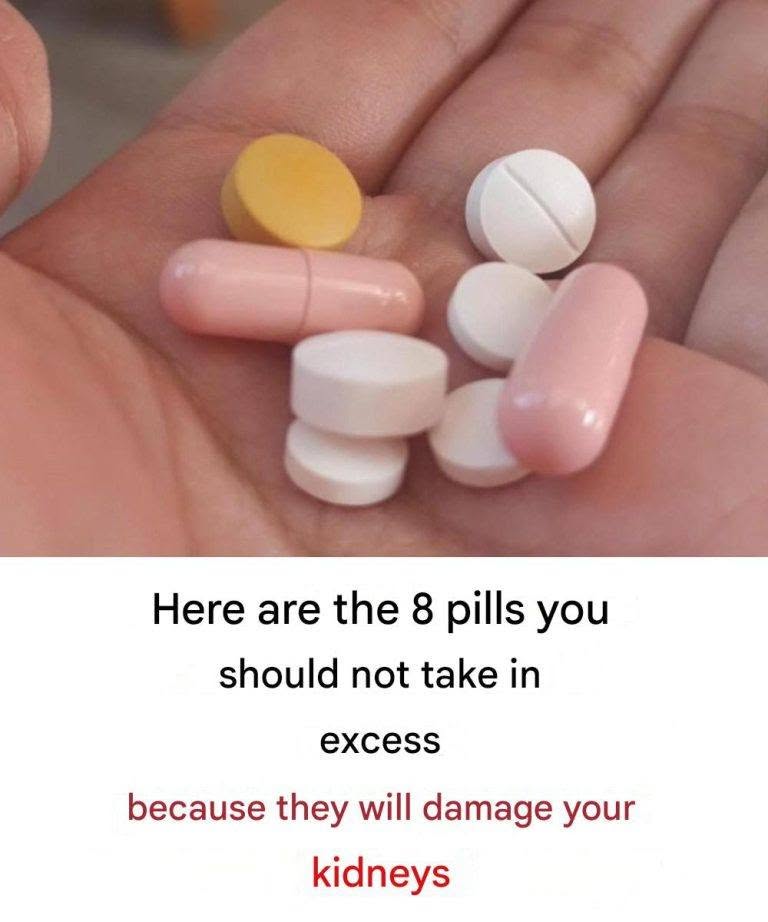
The human kidneys perform an extraordinary, continuous filtering task, cleaning waste products, excess fluids, and toxins from the bloodstream every single minute of the day. Because our kidneys process and filter everything we ingest, they are uniquely sensitive to the substances that pass through our bodies, including over-the-counter medications, prescription drugs, and dietary supplements.
When headlines or health warnings caution against taking certain pills in excess, it highlights a critical intersection between modern pharmacology and long-term organ health. Misusing common analgesics, anti-inflammatory drugs, or specialized medications can place severe physiological strain on renal tissues, potentially leading to acute or chronic kidney injury.
In this comprehensive health guide, we examine how your kidneys process medications, explore the risks associated with excessive pill consumption, review warning signs of renal stress, and provide practical steps to protect your kidney health for a lifetime.
How the Kidneys Filter Medications
To understand why taking pills in excess can harm your renal system, it helps to look closely at how the kidneys operate.
Inside each kidney are over a million microscopic filtering units called nephrons. Each nephron contains a cluster of looping blood vessels called a glomerulus attached to a tiny tubule.
-
Blood Filtration: Blood flows into the glomerulus, where water, small molecules, and waste products are filtered out, while larger proteins and blood cells remain in circulation.
-
Reabsorption and Secretion: As the filtered fluid passes through the tubule, essential minerals and water are reabsorbed back into the body, while concentrated waste is excreted as urine.
Because medications and their chemical breakdown byproducts must pass through these delicate filters, taking excessive doses forces the kidneys to process heavy chemical loads that can inflame, damage, or scar renal tissue.
+--------------------------+--------------------------------------------------------------+
| Renal Structure          | Primary Function in Drug Elimination                         |
+--------------------------+--------------------------------------------------------------+
| Nephrons                 | Microscopic filtering units that process blood and waste     |
| Glomerulus               | Blood vessel cluster that filters fluids and chemicals       |
| Renal Tubules            | Structures that reabsorb nutrients and concentrate waste     |
| Renal Blood Supply       | Delivers high volumes of blood directly to filtration sites  |
+--------------------------+--------------------------------------------------------------+
Common Categories of Medication That Require Caution
While many medications are safe and life-saving when taken strictly as directed, consuming them in excess or combining them improperly poses significant risks to kidney function.
1. Nonsteroidal Anti-Inflammatory Drugs (NSAIDs)
Over-the-counter pain relievers such as ibuprofen, naproxen, and high-dose aspirin are widely used for headaches, muscle aches, and joint inflammation. However, taking NSAIDs frequently or in high excess reduces blood flow to the kidneys, which can impair their filtering ability and lead to acute kidney injury over time.
2. Certain Antibiotics
Specific classes of antibiotics—such as aminoglycosides and certain cephalosporins—can be nephrotoxic when prescribed in high doses or administered for prolonged periods without careful monitoring by a healthcare professional.
3. Proton Pump Inhibitors (PPIs)
Used extensively for acid reflux and heartburn, long-term or excessive use of PPIs has been linked in medical studies to an increased risk of chronic interstitial nephritis and progressive kidney function decline.
Warning Signs of Kidney Stress and Injury
Because the kidneys can lose a significant portion of their functional capacity before noticeable symptoms arise, staying alert to early warning signs is vital.
Key Indicators to Monitor:
-
Changes in Urination: Noticeable decreases in urine output, foamy urine, or getting up frequently during the night to urinate.
-
Fluid Retention (Edema): Unexplained swelling in your ankles, feet, legs, or hands due to reduced fluid clearance.
-
Persistent Fatigue: Feeling unusually tired, weak, or sluggish resulting from a buildup of toxins in the bloodstream (uremia).
-
High Blood Pressure: Because the kidneys help regulate blood pressure, declining renal function often triggers or worsens hypertension.
CRITICAL MEDICAL NOTE: If you experience severe flank pain, sudden drastic changes in urination, or dark discoloration of urine, consult a physician or visit an emergency room immediately.
Practical Steps to Protect Your Kidney Health
Maintaining strong, healthy kidneys requires conscious daily habits and careful communication with your healthcare providers.
-
Follow Dosage Instructions Carefully: Never exceed the recommended dosage or duration listed on medication packaging or prescribed by your doctor.
-
Consult Your Pharmacist or Doctor: Before combining multiple over-the-counter medications or daily supplements, ask a qualified professional to check for potential drug interactions and renal strain.
-
Stay Well Hydrated: Drinking adequate water throughout the day helps your kidneys easily flush out normal metabolic waste products without concentrating harsh chemical residues.
-
Schedule Routine Health Checkups: Regular blood tests (checking creatinine and BUN levels) and urine tests allow your doctor to monitor your estimated glomerular filtration rate (eGFR) and catch early signs of kidney stress.
Financial, Health, and Insurance Considerations for Chronic Care
Managing chronic conditions or kidney-related health issues carries substantial financial implications for individuals and families.
1. The Cost of Chronic Disease Management
Advanced kidney disease often requires specialized nephrology care, frequent laboratory testing, dietary restrictions, and, in severe cases, dialysis or organ transplantation. These interventions involve significant out-of-pocket medical expenses.
2. Health Insurance and Preventative Care Coverage
Comprehensive health insurance policies typically cover routine blood pressure screenings, metabolic panels, and preventative doctor visits. Utilizing these benefits ensures that risk factors like hypertension and diabetes—the two leading causes of kidney failure—are managed proactively before they damage renal tissues.
Fascinating Facts About Human Kidneys
-
Massive Blood Processing: Despite their small size (each roughly the size of a fist), your kidneys filter about 150 to 200 quarts of blood every single day.
-
Remarkable Resilience: The kidneys possess a massive functional reserve; a person can live a completely normal, healthy life with just one functioning kidney.
-
Constant Recycling: Out of the 150 quarts of fluid filtered daily by your kidneys, about 149 quarts are reabsorbed back into the body, leaving only 1 to 2 quarts to be excreted as urine.
Frequently Asked Questions (FAQ)
Which common pain relievers are safest for kidneys?
For individuals with kidney concerns, acetaminophen is generally preferred over NSAIDs (like ibuprofen or naproxen) because NSAIDs restrict renal blood flow. However, you should always consult your physician before taking any regular medication.
Can kidney damage from medication excess be reversed?
If caught early, acute kidney injury caused by medication overuse can often be fully reversed once the offending drug is stopped and supportive medical care is provided. Chronic, long-term scarring, however, can result in permanent loss of function.
How do I know if a medication is harming my kidneys?
Routine blood tests ordered by your doctor—specifically measuring serum creatinine and calculating your eGFR—are the most reliable ways to evaluate how well your kidneys are functioning.
Are herbal supplements safe for kidneys?
Not all natural or herbal supplements are safe for the kidneys. Some contain heavy metals or plant compounds that place heavy filtering stress on renal tissues. Always verify supplements with your doctor.
Conclusion
Your kidneys perform an incredible, relentless daily task to keep your body clean, balanced, and healthy. Taking pills in excess without professional guidance can place dangerous, unnecessary strain on these vital organs, risking acute or long-term damage.
By practicing safe medication habits, consulting healthcare professionals, staying hydrated, and scheduling regular wellness exams, you can protect your renal health and secure long-term physical vitality and peace of mind.
