
Healthy sleep is vital for cognitive function, physical recovery, and overall quality of life. As people age, natural changes occur in sleep architecture, circadian rhythms, and nighttime waking patterns.
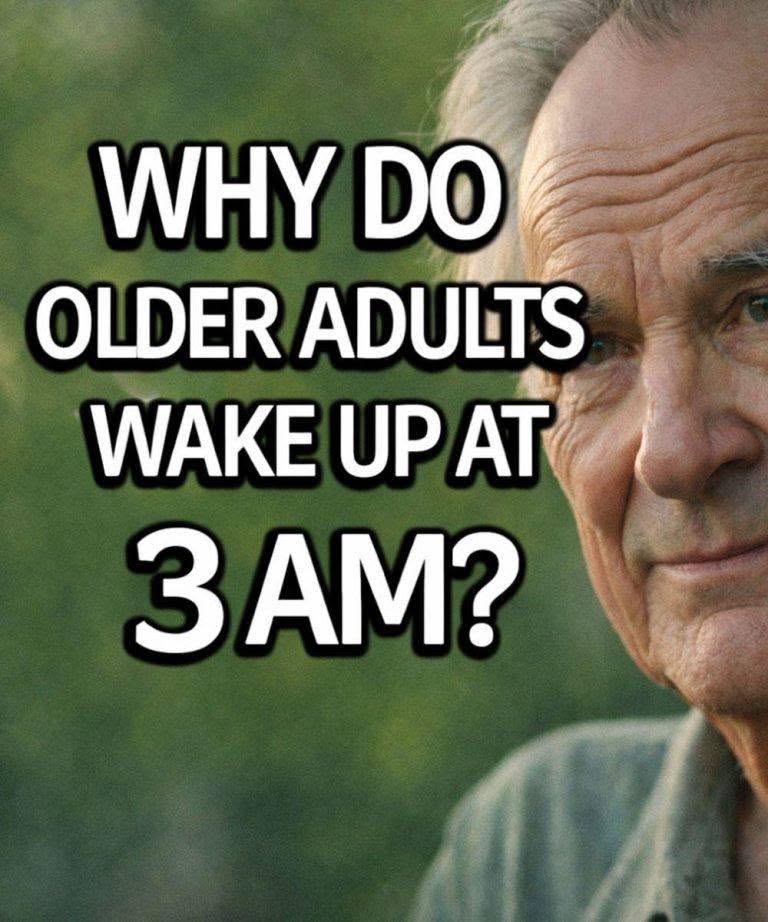
When viral social media graphics feature an older adult with the compelling question “WHY DO OLDER ADULTS WAKE UP AT 3 AM?”, it captures immediate attention and resonates with millions of readers. Understanding the science behind age-related sleep shifts helps provide clarity and comfort.
In this comprehensive guide, we explore circadian rhythm changes, common sleep disruptions, financial and wellness considerations, and practical tips for achieving better rest.
The Science of Circadian Rhythms and Aging Sleep
To understand why nighttime awakenings become more common with age, it helps to examine how the body’s internal clock evolves.
1. Shifts in Circadian Rhythms (Advanced Sleep Phase)
As individuals grow older, their circadian rhythms often shift forward, a phenomenon known as advanced sleep phase syndrome. This causes older adults to feel tired earlier in the evening and wake up much earlier in the morning.
2. Changes in Deep Sleep Stages
Older adults spend less time in deep, restorative slow-wave sleep and more time in lighter stages of sleep, making them significantly more vulnerable to waking up from minor noises, temperature changes, or discomfort.
+--------------------------+--------------------------------------------------------------+
| Sleep Factor             | Impact on Older Adult Sleep Patterns                         |
+--------------------------+--------------------------------------------------------------+
| Advanced Sleep Phase     | Shifts internal clock, causing earlier bedtimes and wake times|
| Lighter Sleep Stages     | Reduces deep sleep duration, increasing nighttime awakenings |
| Melatonin Production     | Natural hormone levels decline, altering sleep-wake cycles   |
| Environmental Sensitivity| Greater susceptibility to waking from noise or light         |
+--------------------------+--------------------------------------------------------------+
Evaluating Viral Sleep Topics: Fact vs. Fiction
While internet graphics use relatable questions to drive engagement, exploring the actual medical science offers helpful reassurance.
1. The Relatable Curiosity Hook
Social media posts use common everyday experiences—like waking up in the middle of the night—to encourage high user engagement, shares, and comments from readers comparing notes.
2. When to Consult a Doctor
While nocturnal awakenings are a normal part of aging, persistent insomnia, sleep apnea, or chronic fatigue should always be evaluated by a healthcare professional.
PRACTICAL WELLNESS NOTE: Always consult a qualified physician or sleep specialist if chronic sleep disturbances or insomnia significantly impact your daily life.
Financial, Healthcare, and Sleep Hygiene Considerations
Maintaining long-term sleep health involves practical habits and a comfortable resting environment.
1. Optimizing the Sleep Environment
Keeping bedrooms cool, dark, and quiet helps minimize disruptions during lighter stages of sleep, promoting easier transitions back to rest.
2. Establishing Consistent Routines
Maintaining a regular sleep schedule and winding down without screens supports natural melatonin release and healthier rest cycles.
Practical Tips for Better Sleep
-
Keep a Consistent Schedule: Go to bed and wake up at the same time every day to support your natural circadian rhythm.
-
Optimize Bedroom Lighting: Use blackout curtains and minimize evening light exposure to encourage deeper rest.
-
Limit Evening Stimulants: Avoid caffeine and heavy meals close to bedtime to reduce overnight disruptions.
-
Engage with Wellness Communities: Share your favorite sleep tips and discuss healthy routines by commenting on our posts!
Fascinating Facts About Human Sleep
-
The Architecture of Sleep: Human sleep cycles alternate between REM and non-REM stages roughly every 90 minutes throughout the night.
-
Melatonin Fluctuations: Pineal gland production of melatonin naturally decreases as people age, altering sleep onset and maintenance.
-
Evolutionary Rest Patterns: Some sleep researchers suggest segmented sleep patterns were historically common in human history before modern indoor lighting.
Frequently Asked Questions (FAQ)
Why do older adults frequently wake up around 3 AM
?
Shifts in circadian rhythms (advanced sleep phase), decreased melatonin production, and spending more time in lighter sleep stages contribute to early morning awakenings.
Is waking up during the night normal as you age?
Yes, experiencing lighter sleep and occasional nighttime awakenings becomes increasingly common and natural with age.
How can older adults improve their sleep quality?
Maintaining a consistent sleep schedule, keeping bedrooms cool and dark, and reducing evening screen time can significantly enhance rest quality.
Where can I find more sleep guides and wellness tips
?
You can explore our complete collection of health articles by engaging with our community posts and commenting as requested!
Conclusion
Understanding the natural changes in sleep patterns as we age brings peace of mind and encourages healthier daily habits. By prioritizing good sleep hygiene and supporting your circadian rhythm, you can enjoy more restful nights and vibrant days.
Embrace healthy rest, support your well-being, and enjoy total peace of mind!
