
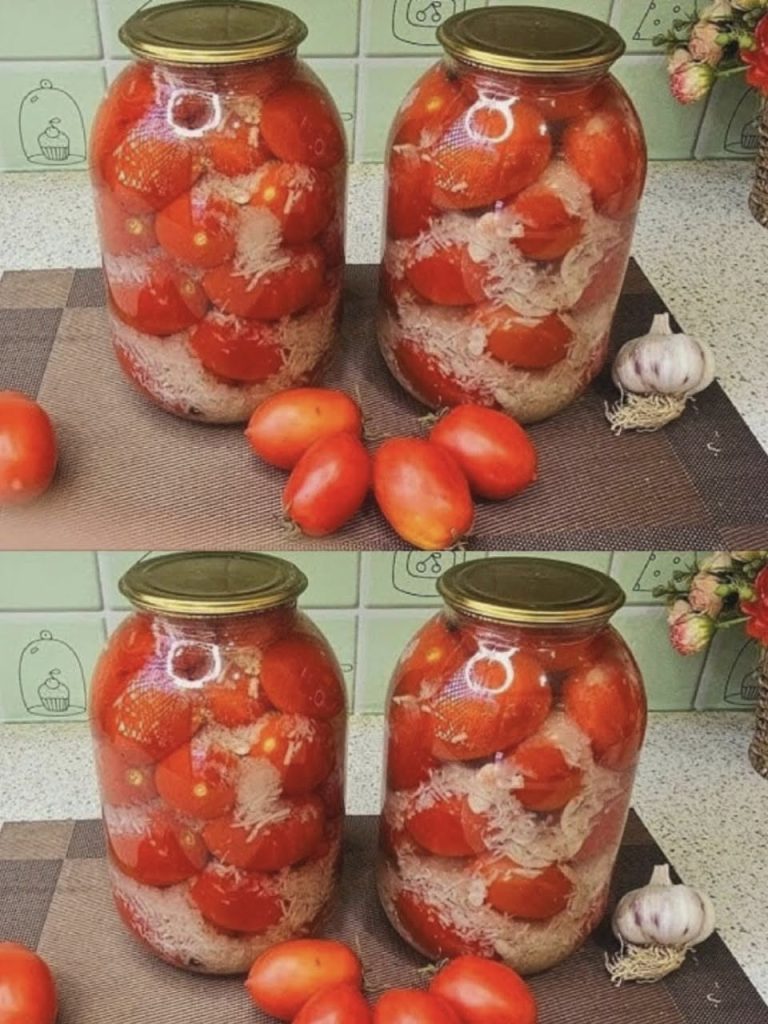
Introduction
Preserving the bountiful harvest of summer is one of the most rewarding culinary traditions known to home cooks. Long before refrigeration, food preservation allowed communities to store fresh produce safely for the winter months. Among the many methods of canning and pickling, fermenting or preserving whole tomatoes with aromatic additions like garlic and grated horseradish stands out for its bold, complex flavor profile and enduring popularity in European and Slavic home kitchens.
In today’s culinary world, mastering traditional preserving techniques connects us to heritage cooking while offering a sustainable, cost-effective way to manage home food supplies. Just as careful budgeting and smart management in Finance protect your household assets, stocking your pantry with homemade preserved goods ensures long-term self-sufficiency and delicious meals year-round. In this comprehensive guide, we will explore the science of tomato preservation, the unique benefits of garlic and horseradish, step-by-step canning instructions, and practical tips for success.
The Science of Preserving and Pickling Tomatoes
Tomatoes present unique challenges for preservation due to their delicate skins and natural moisture content. Understanding the science behind acidification and natural preservation ensures both safety and exceptional taste.
The Role of Acidity and Salt
Tomatoes contain organic acids like citric and malic acid, but they sit right on the borderline of high-acid foods. When pickling or canning tomatoes, adding vinegar, citric acid, or precise amounts of pickling salt creates an environment that inhibits harmful bacterial growth while enhancing flavor extraction.
The Power of Garlic and Horseradish
Adding raw garlic and freshly grated horseradish to tomato jars does more than just boost flavor. Garlic contains allicin, a natural antimicrobial compound, while horseradish contains sinigrin, which provides a pungent kick and helps maintain the crisp texture of the fruits and vegetables inside the jar.
The Unique Benefits of Horseradish and Garlic
Combining tomatoes with grated horseradish and garlic creates a striking contrast of sweet acidity and fiery warmth.
Pungent Heat and Preservation
Horseradish root (Armoracia rusticana) is packed with natural isothiocyanates, compounds that inhibit microbial growth and give horseradish its signature sharp aroma. When layered between tomatoes, it infuses the brine with a clean, spicy heat that cuts through the natural sweetness of the fruit.
Immune Support and Culinary Depth
Garlic has been revered for centuries in traditional medicine and cooking for its cardiovascular and immune-supporting properties. As the tomatoes cure in the jar, the garlic mellows into a savory, buttery texture that complements every bite.
Step-by-Step Recipe Guide: Preserved Tomatoes with Garlic and Horseradish
Follow this traditional method to create jars of flavorful, long-lasting preserved tomatoes at home.
Ingredients Needed:
-
3 to 4 pounds of firm, ripe plum or Roma tomatoes (uniform in size)
-
3 whole bulbs of garlic, separated into peeled cloves
-
1 large root of fresh horseradish, peeled and grated (approx. 1/2 cup)
-
4 cups water
-
2 tablespoons coarse pickling salt (non-iodized)
-
1 tablespoon white sugar (optional, to balance acidity)
-
3 tablespoons white distilled vinegar or apple cider vinegar per jar
Instructions:
-
Sterilize the Jars: Wash your glass canning jars and lids thoroughly in hot, soapy water, then sterilize them by boiling or running them through a hot dishwasher cycle.
-
Prepare the Ingredients: Wash the tomatoes and pierce the stem ends gently with a clean needle or toothpick to prevent them from bursting during the curing process. Peel the garlic cloves and grate the fresh horseradish.
-
Layer the Jars: At the bottom of each sterilized jar, place a generous layer of garlic cloves and freshly grated horseradish. Pack the whole tomatoes tightly into the jars, slipping additional garlic and horseradish between them to fill the gaps.
-
Prepare the Brine: In a saucepan, bring the water, pickling salt, and sugar to a boil, stirring until completely dissolved. Remove from heat and stir in the vinegar.
-
Fill and Seal: Pour the hot brine over the tomatoes in the jars, ensuring they are completely submerged with about half an inch of headspace at the top. Seal the jars tightly with sterilized lids.
-
Cure and Store: Allow the jars to cool completely at room temperature, then store them in a cool, dark place (such as a cellar or refrigerator) for at least 2 to 3 weeks before opening to allow the flavors to fully develop.
Interesting Facts About Preserved Foods
-
Historical Longevity: Pickling and salt-curing date back over 4,000 years, originally used by ancient Mesopotamians to preserve perishable foods for long journeys.
-
The Roma Tomato Advantage: Roma or plum tomatoes are preferred for canning because they have thicker walls, less watery seed cavities, and hold their structural shape much better than juicy beefsteak varieties.
-
Fermentation vs. Pickling: While quick pickling uses vinegar for immediate acid preservation, traditional lacto-fermentation relies on natural beneficial bacteria to convert sugars into lactic acid.
Practical Tips for Success
-
Choose Blemish-Free Produce: Always select firm, unblemished tomatoes. Overripe or bruised tomatoes can spoil the entire jar during the curing process.
-
Use Non-Iodized Salt: Always use pure pickling or kosher salt. Iodine and anti-caking agents found in standard table salt can cause the preserving liquid to turn cloudy and darken the vegetables.
-
Check the Seal: If using vacuum-sealed canning lids, always verify that the button on the lid is depressed and firmly sealed before storing.
Conclusion
Preserving tomatoes with garlic and horseradish is a fantastic way to capture the essence of the harvest while exploring bold, traditional flavor combinations. By following proper sanitation and pickling techniques, you can enjoy crisp, flavorful, and aromatic tomatoes long after the growing season has passed.
Frequently Asked Questions (FAQ)
Can I use store-bought bottled horseradish instead of fresh root?
Freshly grated horseradish root is always recommended because it retains its natural active compounds and crisp texture, whereas bottled horseradish often contains preservatives and vinegars that alter the recipe’s balance.
How long do these preserved tomatoes last?
When properly canned and stored in a cool, dark place, these tomatoes can last anywhere from 6 to 12 months. Once opened, keep them refrigerated and consume within 1 to 2 weeks.
Why do I need to pierce the tomatoes before jarring?
Piercing the tomato skin allows the hot brine to penetrate evenly and prevents the skin from splitting rapidly as the internal juices heat up and expand inside the jar.
