
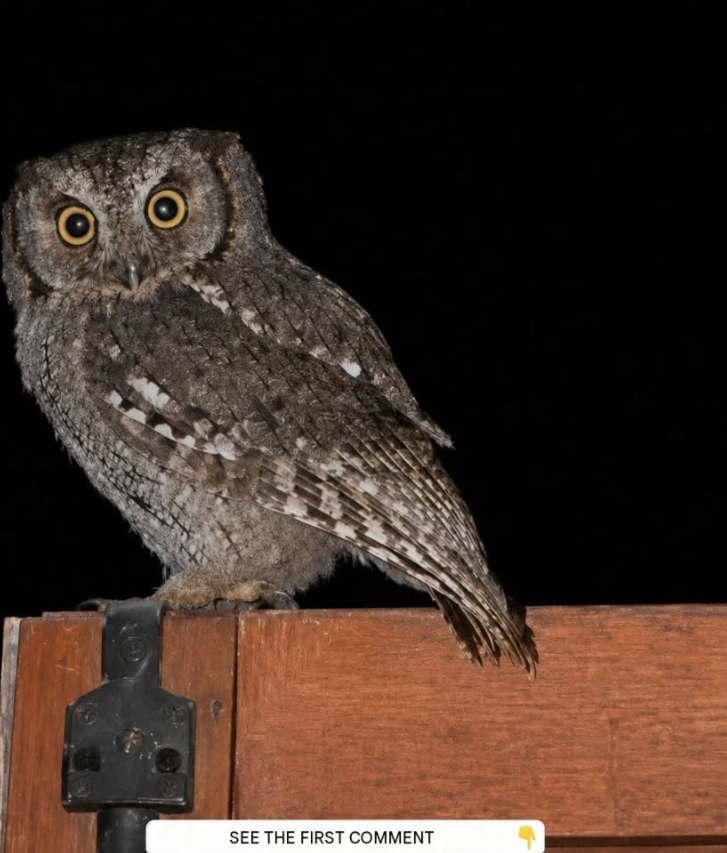
Throughout history, owls have captured the human imagination, symbolizing wisdom, mystery, and the hidden wonders of the natural world. These magnificent nocturnal birds of prey possess extraordinary adaptations that allow them to hunt silently, navigate complete darkness, and thrive in diverse habitats across the globe.
When a stunning photo of an owl perched quietly at night captures attention online, it sparks immediate fascination among nature lovers and bird enthusiasts alike.
In this comprehensive guide, we explore the biology of owls, their unique hunting adaptations, practical tips for wildlife observation, and how proper property and environmental planning protects local wildlife habitats.
The Extraordinary Adaptations of Owls
To understand how owls operate so successfully in the dark, it helps to examine their specialized physical and sensory features.
       +-------------------------------------------------------+
       |             OWL SENSORY & HUNTING ADAPTATIONS         |
       +-------------------------------------------------------+
       |                                                       |
       |   1. Silent Flight Mechanics                          |
       |      - Specialized wing feathers muffle sound waves   |
       |                                                       |
       |   2. Exceptional Hearing                              |
       |      - Asymmetrical ear openings pinpoint prey in     |
       |        total darkness                                 |
       |                                                       |
       |   3. Exceptional Vision                               |
       |      - Tubual eyes act as light-amplifying lenses     |
       |                                                       |
       +-------------------------------------------------------+
Unlike most birds, an owl’s eyes are fixed in their sockets, requiring them to turn their entire heads up to 270 degrees to scan their surroundings. Their acute hearing and silent flight make them supreme nocturnal hunters.
Practical Tips for Wildlife Observation and Backyard Conservation
If you encounter wildlife around your home or property, creating a welcoming and safe environment for native animals is rewarding:
| Conservation Habit | Best Practice | Key Benefit |
| Habitat Protection | Leave dead trees (snags) standing if safe | Provides natural nesting sites for owls and woodpeckers |
| Pest Control Alternatives | Avoid toxic rodenticides in yards | Protects birds of prey from secondary poisoning |
| Outdoor Lighting | Use downward-facing, motion-sensor lights | Reduces light pollution for nocturnal animals |
| Wildlife Observation | Keep a respectful distance when viewing wild birds | Ensures animal safety and prevents unnecessary stress |
Long-Term Planning: Property Management, Insurance, and Financial Stability
Maintaining a wildlife-friendly property and securing your home connects directly to broader household management:
-
Property and Yard Maintenance: Keeping your trees, gardens, and outdoor structures well-maintained supports a healthy, balanced local ecosystem.
-
Comprehensive Homeowners Insurance: Ensuring your property insurance covers your home and grounds protects your investments against unexpected storm damage or hazards.
-
Financial and Budgeting Strategies: Managing your household expenses efficiently allows you to invest in sustainable property features and wildlife-friendly landscaping.
Fascinating Facts About Owls
-
Global Distribution: Owls live on every continent on Earth except Antarctica, adapting successfully to environments ranging from dense forests to arctic tundras.
-
Diverse Sizes: Owl species vary drastically in size, from the tiny Elf Owl—which stands only about 5 inches tall—to the massive Eurasian Eagle-Owl.
-
Carnivorous Diet: As strict carnivores, owls play a crucial role in natural rodent control, helping maintain balanced agricultural and forest ecosystems.
-
Symbolic History: In ancient Greek mythology, the little owl was famously associated with Athena, the goddess of wisdom and strategic warfare.
Conclusion
Encountering an owl perched near your home is a rare and magical experience that highlights the beauty of our natural world.
By combining wildlife observation with responsible property care, ecological consciousness, and robust long-term planning, you can foster a harmonious environment for both your household and local wildlife.
Frequently Asked Questions (FAQ)
Can owls really turn their heads all the way around?
Owls cannot turn their heads a full 360 degrees, but they can rotate them up to 270 degrees in either direction thanks to extra vertebrae and specialized blood vessel adaptations.
Why do owls fly so silently?
Owls have specialized velvety comb-like edges on their primary feathers that break up turbulence, muffling the sound of air rushing over their wings during flight.
Are owls active only at night?
While most owl species are strictly nocturnal, some species—such as the Short-eared Owl and Burrowing Owl—are crepuscular or diurnal, hunting during dawn, dusk, or even daylight.
How can I attract owls to my property?
You can encourage local owls by installing appropriate nesting boxes, leaving dead trees intact for natural cavities, and avoiding toxic rodenticides in your garden.
Why is property maintenance important for homeowners?
Regular property maintenance ensures that trees, roofs, and outdoor structures remain safe and secure, protecting your home and local wildlife habitats alike.
