
Cooking and baking are among the most comforting, creative domestic arts. Whether you are preparing a warm apple crisp in the autumn, canning fruit for the winter, or whipping up a quick afternoon snack, peeling and coring dozens of apples can be a tedious, time-consuming chore.
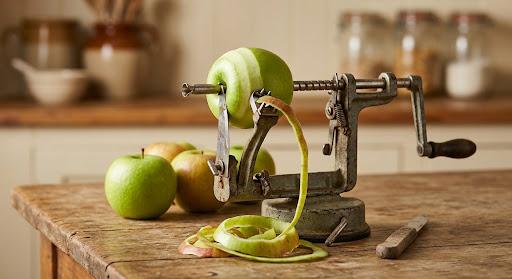
When viral videos and photos circulate showcasing old-fashioned, mechanical kitchen tools—such as a vintage cast-iron apple peeler, corer, and slicer—they instantly capture the attention of home cooks and vintage gadget enthusiasts alike. In this comprehensive guide, we will explore the history of mechanical kitchen inventions, the mechanics of hand-crank peelers, and how traditional tools bring both charm and efficiency to modern cooking.
The History of Mechanical Kitchen Innovations
Long before electric food processors and automated appliances filled our kitchen cabinets, ingenious inventors relied on pure mechanical engineering to lighten domestic workloads.
                  [ MECHANICAL KITCHEN EVOLUTION ]
                                │
        ┌───────────────────────┴───────────────────────┐
        ▼                                               ▼
[ 19th-Century Innovation ]                     [ Modern Kitchen Appeal ]
  • Inventors patented hand-crank gear systems    • Combines nostalgic charm with efficiency
  • Revolutionized mass food prep for families    • Perfect for pies, applesauce, and meal prep
1. The 19th-Century Inventions
During the 19th and early 20th centuries, the rise of domestic engineering led to a boom in patented mechanical kitchen gadgets. Devices designed to pare, core, and slice apples in seconds became immensely popular in farmhouses and households where fruit processing was done in large batches.
2. How Hand-Crank Peelers Work
These clever mechanical devices rely on a simple yet effective system of gears, spring-loaded blade arms, and a rotating threaded shaft:
-
Securing the Fruit: The apple is firmly impaled onto a multi-pronged fork or screw tip.
-
The Peeling Blade: As the user turns the hand crank, the apple rotates while an adjustable spring-loaded blade glides smoothly along the contours of the fruit, peeling away the skin in a continuous spiral.
Step-by-Step Guide: Efficient Apple Preparation for Baking
If you love baking homemade apple pies, tarts, or preparing healthy snacks, streamlining your fruit prep makes the process effortless and enjoyable.
┌─────────────────────────────────────────────────────────┐
│              EFFICIENT APPLE PREP ROUTINE               │
└────────────────────────────┬────────────────────────────┘
                             │
                             ▼
┌─────────────────────────────────────────────────────────┐
│ STEP 1: SELECT FIRM APPLES                              │
│ • Choose crisp, firm varieties like Granny Smith or     │
│   Honeycrisp for smooth mechanical peeling              │
└────────────────────────────┬────────────────────────────┘
                             │
                             ▼
┌─────────────────────────────────────────────────────────┐
│ STEP 2: SECURE AND CRANK                                │
│ • Mount securely to a clean countertop and turn crank   │
└────────────────────────────┬────────────────────────────┘
                             │
                             ▼
┌─────────────────────────────────────────────────────────┐
│ STEP 3: SLICE AND PREPARE                               │
│ • Remove cored fruit and toss with lemon juice to browning│
└────────────────────────────┬────────────────────────────┘
1. Choosing the Right Apples
Firm, symmetrical apples—such as Granny Smith or Braeburn—work exceptionally well with mechanical peelers because their uniform shape allows the spring-loaded blade to glide seamlessly from top to bottom.
2. Quick Slicing and Browning Prevention
Once your apples are peeled and cored in seconds, slice them evenly and toss them immediately in a bowl with a splash of fresh lemon juice to prevent oxidation and browning while you finish your batch.
Fascinating Facts About Kitchen History
-
Time-Saving Marvels: Nineteenth-century mechanical apple peelers could process a single apple in less than five seconds, reducing hours of manual hand-peeling work into minutes.
-
Collector’s Items: Antique cast-iron apple peelers with original maker’s marks and patinas are highly sought-after collector items for kitchen antique enthusiasts.
-
Durability: Built from heavy cast iron and steel, many vintage kitchen gadgets manufactured over a century ago still work perfectly today!
Practical Checklist for Home Baking
-
Keep Blades Sharp: Ensure peeling blades are clean and sharp to prevent dragging or bruising the fruit.
-
Clean Immediately: Wash your mechanical peeler promptly after use to prevent sticky fruit juices from gumming up the gears.
-
Involve Family: Mechanical hand-crank gadgets make cooking interactive and fun for kids helping out in the kitchen.
-
Embrace Tradition: Enjoy blending vintage tools with modern recipes for a cozy, rewarding culinary experience.
Conclusion
Vintage mechanical apple peelers are wonderful reminders of how brilliant engineering and timeless design can make everyday kitchen tasks effortless and fun. Whether you collect antiques or simply love efficient cooking tools, watching a hand-crank peeler transform fresh apples in seconds is always a delight. Grab your favorite apples and enjoy your next baking project!
Frequently Asked Questions (FAQ)
How do vintage apple peelers work?
They use a hand crank attached to a threaded shaft and a spring-loaded blade. As you turn the crank, the apple rotates while the blade automatically adjusts to the fruit’s contours, peeling the skin in a continuous spiral.
Can these peelers also core and slice apples?
Many traditional models feature simultaneous coring and slicing attachments alongside the peeling blade, allowing you to peel, core, and slice an apple all in one single motion.
What are the best apples for mechanical peelers?
Firm, crisp, and symmetrically shaped apples—such as Granny Smith, Honeycrisp, or Gala—work best because irregular or bruised fruit can cause the peeler blade to slip.
How do I clean and maintain a cast-iron apple peeler?
Wash the unit by hand with warm soapy water immediately after use, dry it thoroughly with a towel to prevent rusting, and occasionally apply a drop of food-safe mineral oil to the moving gears.
