
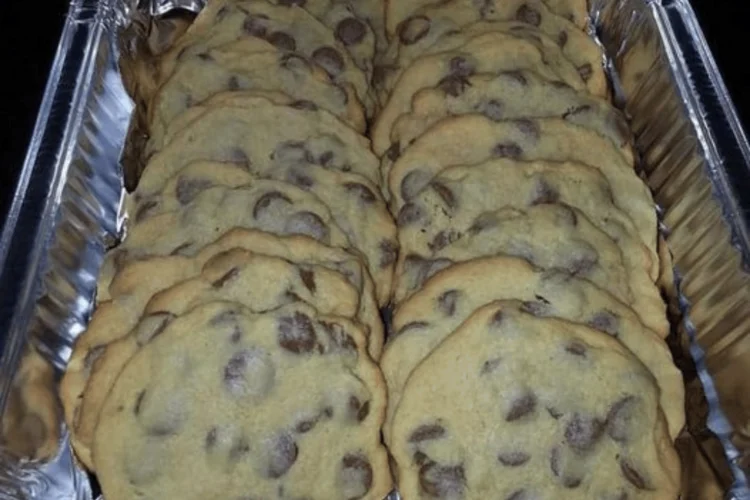
Few culinary creations evoke the warmth, comfort, and nostalgia of freshly baked chocolate chip cookies. From family gatherings and holiday celebrations to a simple afternoon treat paired with a cold glass of milk, the classic chocolate chip cookie holds a legendary status in global baking culture. Yet, despite being a staple of home kitchens for generations, achieving the perfect balance of crispy edges, a chewy center, and rich, decadent chocolate flavor remains an art form.
In this comprehensive guide, we explore the history of the chocolate chip cookie, the essential science behind baking chemistry, step-by-step preparation tips, and how proper kitchen management supports a well-balanced lifestyle.
The Science of Baking the Perfect Chocolate Chip Cookie
Baking is as much a science as it is an art. Every ingredient in a chocolate chip cookie recipe plays a specific chemical role in determining the final texture, spread, and flavor profile of the treat.
       +-------------------------------------------------------+
       |             THE BAKING CHEMISTRY TRIAD                |
       +-------------------------------------------------------+
       |                                                       |
       |   1. Fats (Butter vs. Shortening)                     |
       |      - Determines flavor richness and cookie spread   |
       |      - Melted vs. softened butter changes chewiness   |
       |                                                       |
       |   2. Sugars (Brown vs. White)                         |
       |      - White sugar promotes crisp edges and spreading |
       |      - Brown sugar adds moisture, molasses, and chew  |
       |                                                       |
       |   3. Leavening Agents (Baking Soda & Powder)          |
       |      - Creates vertical rise and airy crumb structure |
       |                                                       |
       +-------------------------------------------------------+
The Role of Temperature and Chilling
One of the best-kept secrets of professional bakers is chilling the cookie dough before baking. Allowing the dough to rest in the refrigerator for 24 to 48 hours allows the flour to fully hydrate, concentrates the flavors, and solidifies the fats. As a result, the cookies spread less in the oven, yielding a thicker, chewier texture with deep, caramel-like notes.
Essential Ingredients and Pro Tips
Achieving bakery-quality results at home requires high-quality ingredients and precise technique. Here is how to master the fundamentals:
1. Use Real Butter
Always use high-quality, unsalted butter rather than margarine. The water content and milk solids in real butter create the golden-brown crust and rich flavor that define an exceptional cookie.
2. A Mix of Sugars
Using a combination of granulated white sugar and dark or light brown sugar provides the ideal texture. Brown sugar contains molasses, which adds essential moisture and chewiness.
3. Premium Chocolate Selection
Do not limit yourself to standard chocolate chips. Combining semi-sweet chocolate chips with chopped dark chocolate chunks or chocolate discs creates pockets of melted chocolate throughout every bite.
Practical Tips for Baking and Kitchen Efficiency
| Baking Step | Best Practice | Key Benefit |
| Ingredient Prep | Bring eggs and butter to room temperature | Ensures smooth, even dough emulsification |
| Dough Chilling | Chill dough for at least 2 hours | Enhances flavor depth and prevents over-spreading |
| Baking Time | Pull cookies when edges are set, centers look soft | Prevents dryness and preserves a chewy center |
| Cooling | Let cool on the pan for 5 minutes before moving | Sets the structure without breaking fragile cookies |
Long-Term Planning: Home Management, Finance, and Well-Being
Mastering culinary arts and home baking connects directly to broader lifestyle management and family well-being:
-
Household Budgeting: Buying baking staples in bulk or during grocery sales keeps your kitchen well-stocked while optimizing your weekly food budget.
-
Health and Nutritional Balance: Enjoying homemade treats as part of a balanced diet that prioritizes whole foods, regular exercise, and moderation promotes overall wellness.
-
Estate and Financial Planning: Partnering with qualified professionals for long-term financial planning and insurance protection ensures your household remains secure across every stage of life.
Fascinating Facts About Chocolate Chip Cookies
-
Accidental Invention: The chocolate chip cookie was invented in the 1930s by Ruth Wakefield at the Toll House Inn in Whitman, Massachusetts, when she added chopped chocolate pieces to a butter cookie dough expecting them to melt.
-
Global Popularity: Today, chocolate chip cookies are one of the most widely baked and consumed homemade desserts in the world.
-
The Maillard Reaction: The mouthwatering aroma of baking cookies is caused by the Maillard reaction—a chemical reaction between amino acids and reducing sugars that occurs when heated.
-
Milk Pairing: Scientific studies suggest that compounds in milk help cleanse the palate between bites of sweet, rich chocolate, enhancing the tasting experience.
Conclusion
Baking the ultimate chocolate chip cookies is a rewarding culinary pursuit that combines precise chemistry, quality ingredients, and a touch of passion. By understanding the role of chilling dough, balancing sugars, and perfecting your baking time, you can create professional-quality cookies right in your own kitchen.
Treat yourself and your loved ones to a fresh batch, and enjoy the timeless comfort of the world’s favorite homemade cookie.
Frequently Asked Questions (FAQ)
Why did my cookies spread too flat in the oven?
Cookies often spread too flat if the butter was melted instead of softened, if the dough was too warm when placed in the oven, or if there was too much sugar relative to flour in the recipe.
Can I freeze chocolate chip cookie dough?
Yes! You can scoop the dough into individual balls and freeze them on a baking sheet before transferring them to a freezer bag. You can bake them straight from the freezer by adding 1 to 2 minutes to the baking time.
Should I use parchment paper or silicone baking mats?
Both parchment paper and silicone baking mats provide a non-stick surface that prevents burning and ensures even heat distribution across the bottom of the cookies.
How do I keep baked cookies soft for days?
Store your cooled cookies in an airtight container with a slice of fresh white bread. The cookies will absorb moisture from the bread, remaining soft and chewy for days.
What is the best type of chocolate to use?
A mix of semi-sweet chocolate chips and chopped dark chocolate bars or chunks provides the best flavor variety and creates wonderful pools of melted chocolate throughout the cookie.
