
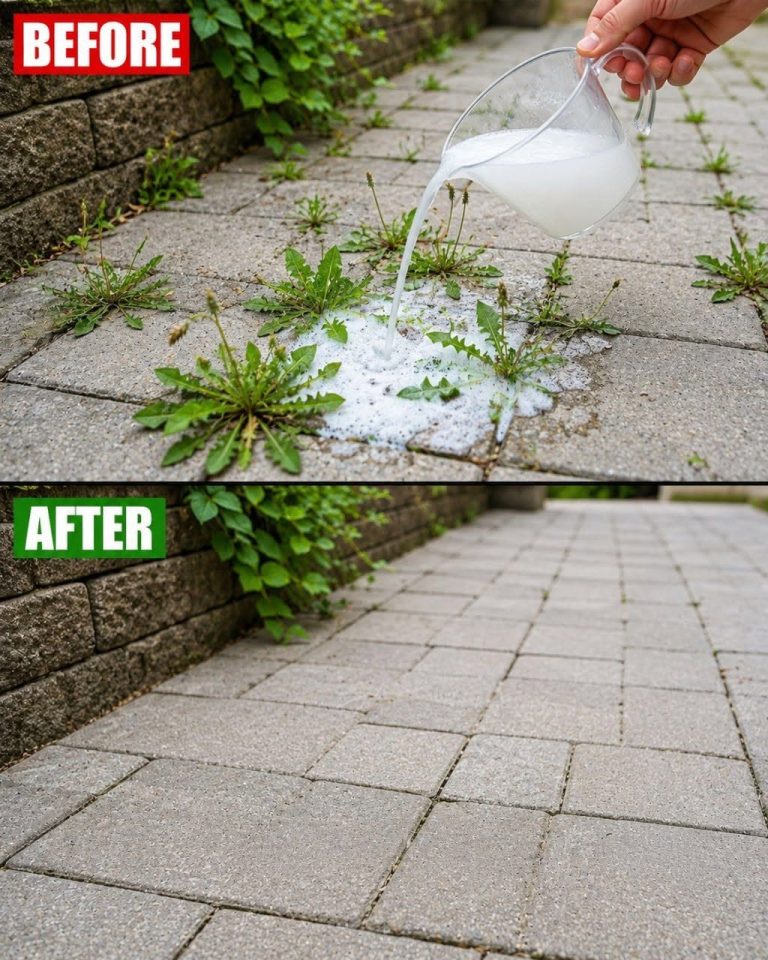
Maintaining pristine outdoor spaces is a rewarding endeavor that enhances curb appeal and creates a welcoming atmosphere around your property. Among the various maintenance tasks homeowners face, dealing with stubborn weeds sprouting between patio pavers and walkways is a perennial challenge. While traditional chemical weed killers are widely available, many property owners are shifting toward natural, eco-friendly alternatives. Understanding how to manage these unwanted plants safely protects your investment and ensures your outdoor hardscapes look immaculate year-round.
Understanding the Challenges of Paved Walkways
Paved pathways, brick patios, and interlocking stone driveways add incredible structural elegance to residential landscapes. However, the narrow joints between these stones provide an ideal microenvironment for weed seeds to settle, germinate, and thrive. Wind-blown seeds, organic debris accumulation, and moisture retention create fertile ground for resilient weeds like dandelions and grasses.
When weeds establish themselves in these tight spaces, pulling them manually can often leave behind broken roots that simply resprout. On the other hand, heavy chemical treatments can sometimes run off into surrounding garden beds, potentially impacting nearby flora or delicate ecosystems. Finding a balanced, sustainable approach is key to long-term landscape health.
Step-by-Step Approach to Natural Weed Elimination
Adopting a systematic method for clearing and preventing weeds keeps your pathways looking like new without relying on harsh commercial formulations.
Preparing and Treating the Area
Begin by inspecting your paved areas to identify concentrations of weeds. For targeted natural treatments, many homeowners utilize simple household solutions like a mixture of white vinegar, a dash of dish soap, and salt. Pouring this mixture directly onto the foliage on a sunny day allows the natural acid and surfactant to dehydrate the unwanted plants right down to their roots.
Clearing and Finishing Touches
Once the weeds have withered and turned brown, use a stiff-bristle broom or a weeding tool to clear away the dead debris from the cracks. For lasting results, fill the clean joints with polymeric sand or specialized stone dust, which hardens to block future weed growth while maintaining structural flexibility.
Practical Tips for Long-Term Maintenance
To keep your pathways looking immaculate with minimal ongoing effort, consider implementing these professional property care practices:
-
Apply natural weed treatments during peak daylight hours when the sun can amplify the drying effect on the foliage.
-
Sweep your pavers regularly to prevent organic debris, soil, and dust from accumulating in the joints.
-
Inspect your hardscapes seasonally to catch and treat minor weed sprouts before they develop extensive root systems.
-
Consider sealing your pavers every few years to lock out moisture and deter seed germination.
Interesting Facts About Landscape Maintenance
-
The Power of Acetic Acid: Standard household vinegar contains acetic acid, which acts as a natural desiccant capable of drawing moisture out of plant leaves upon contact.
-
Paver Longevity: Properly maintained stone pavers can last for decades, often outliving poured concrete while offering superior drainage and easy spot-repair capabilities.
-
Ecosystem Balance: Shifting away from heavy synthetic herbicides helps protect beneficial soil microorganisms and local pollinators that frequent garden perimeters.
Conclusion
Transforming an overgrown, weed-ridden walkway into a clean, beautiful outdoor pathway is a deeply satisfying project. By utilizing natural treatments, practicing regular upkeep, and protecting your hardscape joints, you can maintain a pristine exterior environment effortlessly. Embracing these sustainable methods ensures your property remains safe, beautiful, and welcoming for family and guests alike.
FAQ Section
How often should I treat weeds between pavers?
Treatment frequency depends on weather conditions and surrounding vegetation, but spot-treating every few weeks during the active growing season is usually sufficient.
Will natural vinegar solutions damage my stone pavers?
Standard concrete pavers and natural stone generally tolerate vinegar well, though it is always wise to test a small, inconspicuous area first if you are using high-concentration formulations.
What is the best way to prevent weeds from returning permanently?
While total permanent prevention is difficult due to wind-borne seeds, filling paver joints with polymeric sand after a deep clean provides an effective physical barrier against future growth.
