
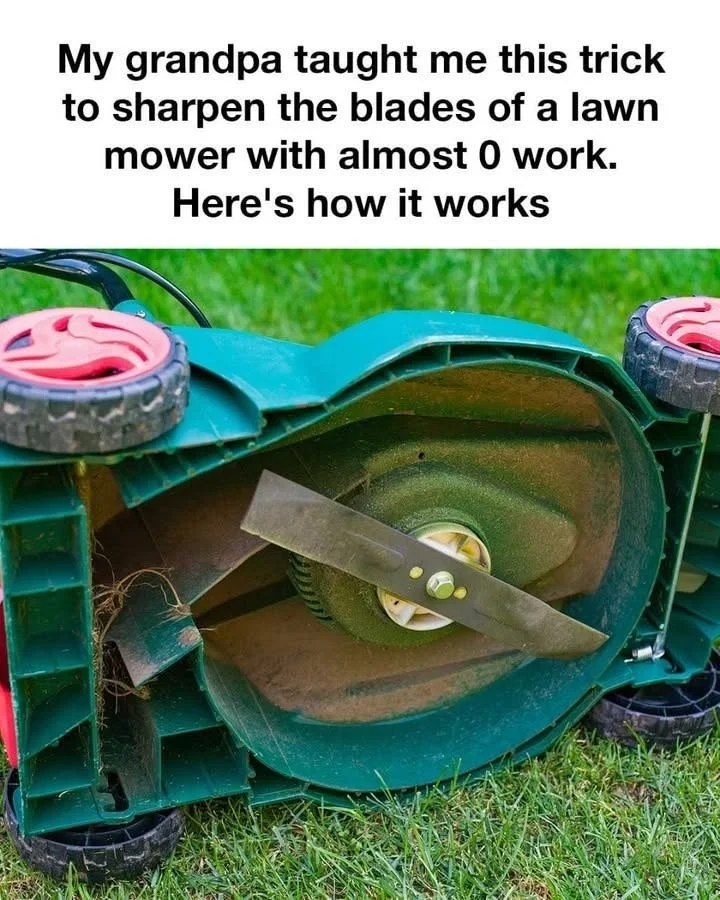
Achieving a lush, vibrant, and healthy lawn requires more than just regular watering and seasonal fertilization. One of the most critical yet often overlooked aspects of turf management is maintaining the cutting edges of your lawn mower. When mower blades become dull, ragged, or nicked, they tear the grass blades rather than slicing them cleanly. This tearing action creates jagged ends that turn brown, leaving your lawn susceptible to disease, moisture loss, and environmental stress. Understanding how to properly inspect, maintain, and sharpen your mower blades ensures a professional-grade cut that keeps your entire landscape thriving throughout the growing season.
Understanding the Importance of Sharp Mower Blades
A well-maintained lawn mower is the cornerstone of any efficient property maintenance routine. Many homeowners invest significant time and financial resources into high-end fertilizers and seed blends, yet overlook the mechanical tool that directly interacts with the turf.
When you operate a mower with sharp steel blades, each blade of grass is sliced cleanly at a precise angle. This clean cut heals rapidly, minimizing the plant’s recovery time and directing its energy into root development and lateral growth rather than trauma repair. Conversely, dull blades act more like blunt instruments, shredding the grass tips and creating an entry point for fungal spores and lawn diseases. Keeping your equipment in peak condition protects the health and visual appeal of your outdoor living spaces.
Step-by-Step Approach to Mower Blade Maintenance
Establishing a systematic approach to blade upkeep ensures your equipment operates efficiently while extending the lifespan of your mower deck and motor.
Preparing and Inspecting the Equipment
Before performing any maintenance beneath your mower deck, always ensure the spark plug wire is disconnected or the battery is removed to prevent accidental startup. Carefully tilt the mower—ensuring the carburetor or air filter faces upward to avoid fluid leaks—and inspect the condition of the metal blade. Look for excessive dullness, deep nicks from hidden stones, or structural bending.
Sharpening Techniques and Balancing
To restore a sharp edge, you can remove the blade entirely using a wrench and secure it in a vise. Utilizing a file or an angle grinder, follow the original bevel angle of the cutting edge to remove imperfections. After sharpening, it is crucial to balance the blade on a wall balancer or nail; an unbalanced blade will cause severe vibrations that can damage the engine crankshaft and spindle bearings over time. Alternatively, many traditional home maintenance hacks passed down through generations focus on keeping equipment efficient with minimal physical strain.
Practical Tips for Optimal Yard Care
To maximize the performance of your lawn care equipment and protect your turf, keep these professional recommendations in mind:
-
Inspect your lawn mower blades at least twice a season—once in the spring before heavy mowing begins and once mid-summer.
-
Clear your yard of rocks, thick branches, and debris before mowing to prevent premature dulling and severe blade nicking.
-
Clean grass clippings and organic buildup from the underside of the deck regularly to maintain proper airflow and discharge efficiency.
-
Tighten the blade mounting bolts to the manufacturer’s specified torque rating before reinstalling the deck.
Interesting Facts About Lawn Mower Mechanics
-
The Physics of Cutting: High-speed mower blades rotate at thousands of revolutions per minute, meaning even microscopic dull spots can create massive friction and resistance on the engine.
-
Turf Health Impact: Clean cuts reduce water evaporation from the grass blade tips by up to 60 percent compared to torn, shredded grass.
-
Generational Wisdom: Many time-tested equipment maintenance methods rely on simple mechanical leverage and clever positioning rather than complex professional tools.
Conclusion
Mastering the care and sharpening of your lawn mower blades is a rewarding DIY skill that transforms your weekly yard work into an efficient, satisfying routine. By paying attention to cutting angles, maintaining balanced components, and following safe maintenance habits, you protect your landscaping investment and ensure a pristine, golf-course-quality lawn all year long.
FAQ Section
How often should I sharpen my lawn mower blades?
For standard residential lawns, sharpening your blades once or twice a season is usually sufficient, though properties with sandy soil or rocky terrain may require more frequent attention.
Can I sharpen a lawn mower blade without removing it?
While specialized sharpening tools exist, removing the blade allows you to achieve the correct bevel angle safely and check the crucial balance of the metal.
How do I know if my mower blade is unbalanced?
If your lawn mower vibrates excessively, rattles violently, or leaves an uneven cut pattern across the grass, it is a strong indicator that your blade is unbalanced or damaged.
