
Maintaining a clean and comfortable home is a top priority for homeowners everywhere. From managing everyday dust and organizing living spaces to identifying unexpected household visitors, understanding our home environment helps keep our living areas pleasant and well-maintained.
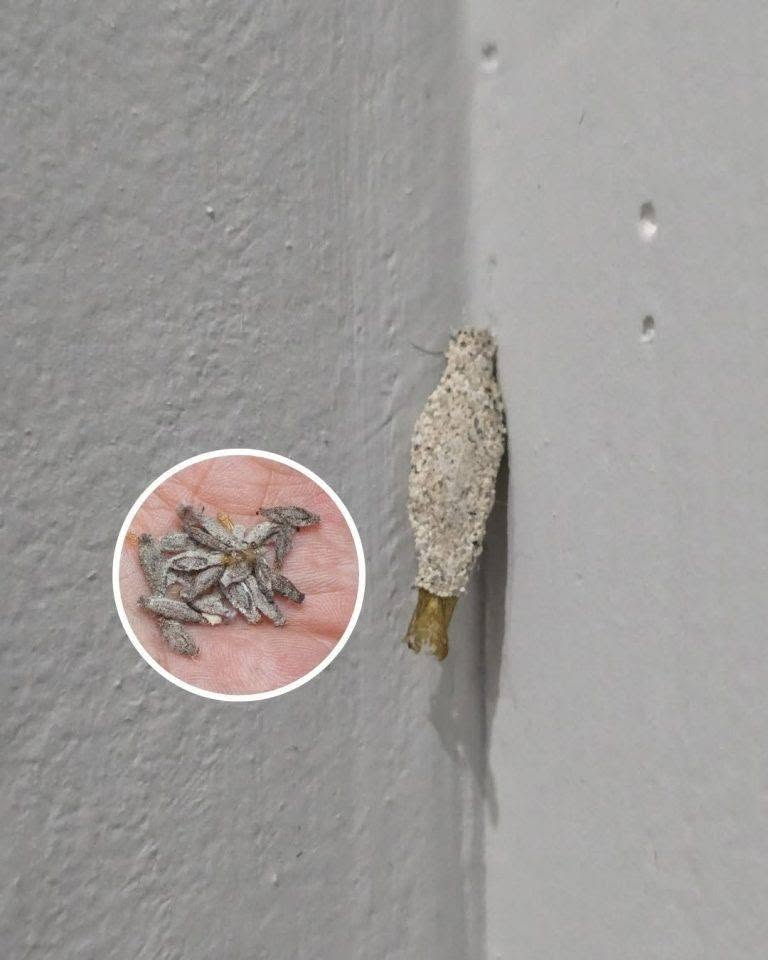
When viral social media graphics circulate online featuring mysterious little silk-and-debris cases found clinging to walls—often recognized as bagworm or household casebearer cocoons—they instantly capture public curiosity. In this comprehensive guide, we explore household entomology, the habits of common indoor insects, and practical ways to keep your home pristine.
The Science of Household Insects and Casebearers
To understand what these small hanging cases are and why they appear indoors, it helps to examine the behavior of common household insects.
                  [ HOUSEHOLD INSECTS & CASEBEARERS ]
                                │
        ┌───────────────────────┴───────────────────────┐
        ▼                                               ▼
[ The Household Casebearer ]                    [ Natural Habits ]
  • Larvae construct tiny protective cases        • They feed on spider webs, dust, and
    from silk, sand, and dust particles.            organic fibers in quiet corners.
1. Understanding Case-Bearing Moths
The organisms often found in these small hanging cocoons are the larvae of household case-bearing moths (or similar bagworm species). The caterpillar builds a portable protective case around itself, moving along walls while carrying its shelter.
2. Why They Appear Indoors
These insects are typically drawn to undisturbed, humid areas of homes—such as corners, ceilings, and closets—where they feed on microscopic organic debris, dust, spider webs, or natural fibers.
Step-by-Step Guide: Managing Household Insects
If you want to keep your walls and living spaces free from unexpected pests, following a structured cleaning routine is extremely effective.
┌─────────────────────────────────────────────────────────┐
│              INSECT PREVENTION & CLEANING               │
└────────────────────────────┬────────────────────────────┘
                             │
                             ▼
┌─────────────────────────────────────────────────────────┐
│ STEP 1: REGULAR VACUUMING & DUSTING                     │
│ • Clear out cobwebs, dust, and debris from corners,     │
│   ceilings, and baseboards regularly                    │
└────────────────────────────┬────────────────────────────┘
                             │
                             ▼
┌─────────────────────────────────────────────────────────┐
│ STEP 2: CONTROL INDOOR HUMIDITY                         │
│ • Use dehumidifiers and proper ventilation to keep      │
│   living spaces dry and inhospitable                    │
└────────────────────────────┬────────────────────────────┘
1. Thorough Cleaning
Regularly vacuuming, dusting, and wiping down wall corners and ceilings removes the organic debris and dust that these larvae rely on for food.
2. Moisture and Ventilation Control
Keeping your home well-ventilated and dry prevents the humid conditions that attract many small household insects and pests.
Fascinating Facts About Insect Architecture
-
Portable Shelters: Casebearer larvae never leave their protective silk cases; instead, they expand the case as they grow, incorporating bits of dust and wall material.
-
Resilient Survivors: These tiny insects have adapted remarkably well to living inside human dwellings, finding shelter and sustenance in climate-controlled environments.
-
Viral Pest Curiosities: Educational posts about unusual household insects consistently generate high online engagement as homeowners share tips and discoveries.
Practical Checklist for a Pest-Free Home
-
Inspect Hidden Areas: Check closets, behind furniture, and along ceiling corners periodically during routine cleaning.
-
Seal Entry Points: Keep windows and doors screened properly to minimize outdoor insect intrusion.
-
Manage Clutter: Reduce stored papers and fabrics where small insects might find undisturbed hiding spots.
-
Consult Pest Control: Reach out to professional pest management services if you encounter persistent or heavy infestations.
Conclusion
Discovering unexpected insects around the house is a common part of homeownership that offers a fascinating look at the adaptability of nature. By maintaining a clean, dry living environment and practicing regular household upkeep, you can keep your home comfortable and pest-free every day!
Frequently Asked Questions (FAQ)
What are those little hanging cases found on walls?
They are typically the protective cases built by the larvae of household case-bearing moths or bagworms, which use silk and local debris to shield themselves as they grow.
Are household casebearers harmful?
They do not bite humans or transmit diseases, but in large numbers, their larvae can occasionally damage natural fibers, carpets, or fabrics.
How can I get rid of case-bearing moths in my home?
Thorough vacuuming, reducing indoor humidity, dusting corners and ceilings regularly, and keeping storage areas clean will effectively control and prevent them.
Why do household pest posts go viral on social media?
They spark immediate curiosity among homeowners who have spotted the same mysterious little cases on their own walls and want to know what they are.
