
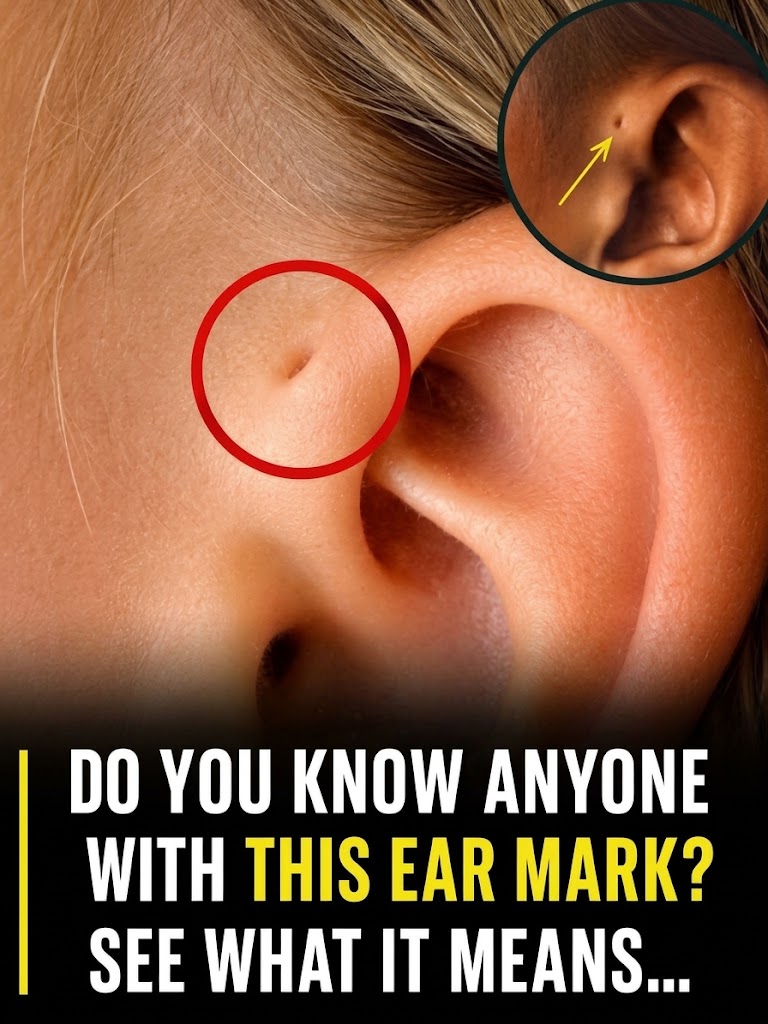
Some people have a tiny hole just in front of the ear, where the ear meets the face. It is easy to miss: a small dimple or pinprick opening that has been there since birth, often noticed for the first time in a photograph or a mirror. It has a medical name, a preauricular pit, and although it sounds alarming, it is usually completely harmless.
Use Calculators
This article explains what a preauricular pit is, why it happens, how common it is, and when it is worth getting checked. It is general information only. It is not medical advice, and it cannot diagnose any individual condition. Only a clinician who examines you in person can advise on your own health.
A preauricular pit, sometimes called a preauricular sinus, is a small opening in the skin just in front of the upper part of the ear. The word “preauricular” simply
means “in front of the ear,” and “sinus” here means a small tract or channel under the skin, not the sinuses in your nose.
In most people, the pit is nothing more than a tiny dimple. It may be visible on one ear or both, and it is usually present from birth, though it is often not noticed until childhood or later. Some people have a pit so small that it looks like a freckle or a pore. Others have one that is a little more obvious, especially if it occasionally produces a small amount of fluid or becomes irritated.
Find ENT Doctors
The pit is a remnant of how the ear forms before birth. It is not a hole that goes into the ear canal or the inner ear, and it does not affect hearing. In the great majority of cases it causes no symptoms at all, and
the person who has it may go through life barely thinking about it.
Why Does It Happen?
To understand a preauricular pit, it helps to know a little about how ears develop. In the early weeks of pregnancy, the outer ear forms from several small folds of tissue that grow together and fuse. If that fusion is not quite complete in one small spot, a tiny pit or tract can remain. It is a minor variation in development, not a sign that something went wrong in a serious way.
This kind of variation is sometimes described as congenital, meaning present from birth. It can occur on its own, with no other differences, and it can run in families, so a parent with a pit may have a child with one too. In rare cases, preauricular pits occur alongside other features, which is why clinicians sometimes take note of them, but
on their own they are usually an isolated, benign finding.
Use Calculators
It is important to say that nothing a parent did or did not do causes a preauricular pit. It is a small quirk of early development, similar in spirit to a birthmark or a dimple, and it is not caused by injury, infection or anything that happened after birth.
How Common Is It?
Preauricular pits are more common than most people realise, partly because many go unnoticed. Estimates vary by population, but studies commonly report them in roughly one in every hundred to one in every few hundred people, with higher rates in some populations. They are found in people of all backgrounds, and they occur slightly more often on the right ear than the left, though both ears can be affected.
Because the pit is usually painless and causes no problems, many people never mention it
to a doctor, and many doctors only notice it during a routine examination. That is one reason the true number is hard to pin down: a feature that causes no trouble is easy to overlook. If you have one and have never had any trouble with it, you are in the majority.
Use Calculators
When It Is Harmless
For most people, a preauricular pit is simply there. It does not hurt, it does not affect hearing, and it needs no treatment. It can be washed normally as part of everyday hygiene, and it does not require any special care. Many adults discover they have one only when someone points it out, or when they read about it online.
A small amount of occasional discharge from the pit can occur, and this is not always a cause for alarm, but it is worth paying attention to changes. The key question is
whether the pit is causing symptoms. If it is quiet, painless and unchanged, it is generally nothing to worry about. If it starts to change, that is the time to get advice.
It is also worth knowing that a preauricular pit is not a piercing, an injury or a sign of infection in itself. It is a natural feature of the skin, and it should not be squeezed, poked or probed. Trying to clean inside it with a cotton bud or a pin can irritate it and introduce infection, so it is best left alone.
Signs Worth Getting Checked
Although most preauricular pits never cause trouble, a small number can become infected. Infection happens when bacteria enter the tract under the skin. The signs are similar to those of other skin infections: redness, swelling, warmth, tenderness or pain around the pit, or discharge that is yellow or unpleasant-smelling. Sometimes a
small, tender lump can form nearby, which may be an abscess.
Other reasons to seek advice include repeated infections in the same spot, a pit that keeps producing fluid, or a lump that does not go away. In children, a pit that becomes swollen or painful should be checked promptly, as children can become unwell more quickly with skin infections.
If you notice any of these signs, contact your doctor or another clinician. They can examine the area, decide whether treatment is needed, and advise on next steps. Treatment for an infected pit may include antibiotics, and in cases of repeated infection, a clinician may discuss a minor procedure to remove the tract. That is a decision for you and your clinician together, based on your individual situation.
This article cannot diagnose you. If you are unsure whether what you have is a preauricular pit or something else, or if
you have any worrying symptoms, the right step is to ask a clinician rather than to rely on descriptions online.
What Happens at a Doctor’s Appointment
If you do see a clinician about a preauricular pit, the appointment is usually straightforward. The clinician will look at the pit, ask whether it has caused any problems, and check for signs of infection or swelling. They may ask about your family history, since pits can run in families, and they may check for any other features they want to note.
In most cases, no tests are needed, and the advice will simply be to leave the pit alone and return if it becomes troublesome. If there is an infection, treatment will focus on clearing it. If infections keep coming back, the clinician may refer you to a specialist, such as an ear, nose and throat doctor, to discuss whether removing the tract
is appropriate. That procedure is usually minor and done as a day case, but it is only considered when the pit is causing repeated problems.
For the great majority of people, however, the appointment ends with reassurance: the pit is a common, benign feature, and no treatment is needed.
Conclusion
A tiny hole near the ear is usually a preauricular pit, a small, harmless remnant of how the ear formed before birth. It is more common than most people think, it does not affect hearing, and it usually needs no treatment at all. The important thing is to leave it alone, keep it clean as part of normal washing, and watch for signs of infection such as redness, swelling, pain or discharge. If any of those appear, or if infections keep returning, a clinician can examine it and advise on the right next step. For most people, though, the pit
is simply a small, curious feature, and knowing what it is takes away the mystery.
FAQ
What is a preauricular pit?
It is a tiny opening in the skin just in front of the upper ear, present from birth, caused by a small variation in how the ear formed.
Is a preauricular pit dangerous?
In most cases, no. It usually causes no symptoms and needs no treatment. Infection is possible but uncommon.
Does a preauricular pit affect hearing?
No. The pit does not connect to the ear canal or the inner ear, and it does not affect hearing.
How common are preauricular pits?
They are relatively common, reported in roughly one in a hundred to one in a few hundred people, though many go unnoticed.
When should I see a doctor about a pit near my ear?
Seek advice if there is redness, swelling, warmth, pain, discharge, a lump, orrepeated infections in the same spot. A clinician can examine it and advise on treatment.
