
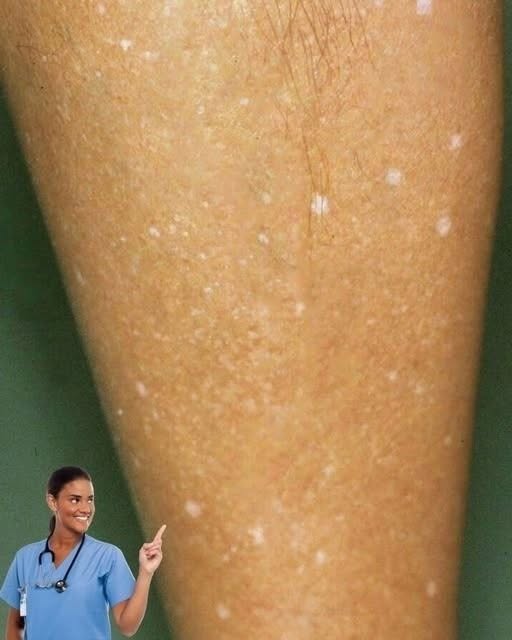
Noticing small, flat white spots appear across your arms, shins, or shoulders is a common experience, especially as we age. Known clinically as Idiopathic Guttate Hypomelanosis (IGH), these tiny porcelain-white macules typically measure between 1 to 5 millimeters in diameter and occur predominantly on sun-exposed areas of the body.
While discovering unfamiliar marks on your skin can spark concern about conditions like vitiligo or fungal infections, dermatologists emphasize that IGH is a completely benign, harmless dermatological condition. It is a natural reflection of cumulative sun exposure and skin cellular aging, requiring no emergency medical intervention.
In this comprehensive guide, we will analyze the biological causes of tiny white spots on the skin, differentiate IGH from other skin conditions, outline proven dermatological treatments, review sun protection strategies, and explore the broader financial, insurance, and legal protections essential for personal healthcare management.
What Is Idiopathic Guttate Hypomelanosis (IGH)?
The name Idiopathic Guttate Hypomelanosis provides a clear description of the condition’s medical nature:
-
Idiopathic: Means the precise underlying cause is unknown, though strongly linked to genetics and sun exposure.
-
Guttate: Refers to the teardrop-like or small round shape of the white spots.
-
Hypomelanosis: Indicates a localized decrease or loss of melanin (skin pigment).
Unlike freckles or age spots—which represent clusters of excess melanin pigment—IGH spots occur when skin cells in small localized areas stop producing normal pigment, leaving smooth, distinct white spots.
What Causes Tiny White Spots to Form on Skin?
Dermatological research points to a combination of cumulative environmental factors and biological aging:
1. Cumulative Ultraviolet (UV) Sun Exposure
Long-term exposure to solar UV radiation is the leading contributor to IGH. Over time, UV rays damage specialized pigment-producing cells in the epidermis called melanocytes. As melanocytes become damaged or decrease in number, localized spots stop generating pigment, resulting in porcelain-white macules.
2. Natural Cellular Aging
As the skin matures past middle age, the total number of active melanocytes in the skin naturally decreases by approximately 10% to 20% every decade. This loss of pigment cells makes IGH exceptionally common in adults over age 40, 50, and 60.
3. Genetic Susceptibility
Genetics plays a major role in determining skin vulnerability. Individuals with fair skin types or family histories of sun-related skin changes are more likely to develop IGH spots on their lower legs and forearms.
Differentiating IGH from Other Skin Conditions
Because several dermatological conditions cause white skin patches, understanding key differences ensures accurate identification:
-
Idiopathic Guttate Hypomelanosis (IGH): Small (1-5mm), flat, smooth white spots localized primarily on lower legs, forearms, and shoulders. They do not itch, hurt, or spread rapidly.
-
Vitiligo: An autoimmune condition causing larger, smooth, irregular white depigmented patches that can appear anywhere on the body, including around the eyes, mouth, hands, and joints.
-
Tinea Versicolor: A common superficial fungal infection caused by an overgrowth of yeast on the skin. It causes small, slightly scaly patches that can be itchy and typically respond well to topical antifungal treatments.
-
Pityriasis Alba: A mild form of eczema causing dry, slightly scaly light patches, most commonly seen on the face and arms of children and young adults.
Dermatological Treatments for IGH
Because IGH is a completely harmless, non-cancerous condition, treatment is purely cosmetic and optional. While lost pigment cannot easily be permanently restored, several professional therapies can improve skin appearance:
1. Topical Retinoids
Dermatologists may prescribe topical tretinoin or retinoid creams to stimulate skin cell turnover, improve epidermal structure, and soften color contrast over several months of consistent application.
2. Cryotherapy (Light Freezing)
Applying liquid nitrogen for brief fractions of a second can induce localized tissue healing, encouraging surrounding active melanocytes to migrate into the white spots.
3. Fractional Laser Therapy and Dermabrasion
Resurfacing treatments—such as fractional CO2 lasers or microdermabrasion—help smooth skin texture and stimulate melanocyte migration to minimize the visual appearance of white spots.
Financial, Health Insurance, and Legal Aspects of Dermatology
Managing skin health, securing professional dermatological evaluations, and protecting personal wellness connects directly to health insurance coverage, financial budgeting, and personal legal planning.
Health Insurance and Dermatological Coverage
Navigating medical insurance for skin conditions requires understanding diagnostic versus cosmetic care:
-
Diagnostic Screenings: Standard health insurance plans fully cover annual dermatological skin checks and diagnostic evaluations to examine new or changing skin spots and rule out skin cancers (like melanoma or basal cell carcinoma).
-
Cosmetic Exclusions: Elective cosmetic procedures aimed solely at reducing the appearance of benign IGH spots (such as laser therapy or cosmetic dermabrasion) are generally considered out-of-pocket expenses not covered by insurance.
Preventative Care Savings
Investing in daily broad-spectrum sunscreens, protective clothing, and regular skin checks prevents costly future medical interventions and reduces out-of-pocket specialist co-pays.
Legal Directives and Estate Planning
As part of holistic health management, establishing essential legal protections ensures complete peace of mind during medical contingencies:
-
Medical Power of Attorney: Designates a trusted advocate to consult with medical teams and make healthcare decisions if temporary or permanent incapacitation occurs.
-
Financial Power of Attorney: Authorizes a designated representative to manage banking, bills, and real estate during extended hospital stays or recovery periods.
-
Living Wills: Outlines explicit preferences regarding emergency medical treatment and long-term care plans.
Practical Tips for Preventing New White Spots
While existing IGH spots are permanent unless treated, you can easily prevent new spots from forming with proper sun protection habits:
-
Apply Broad-Spectrum Sunscreen Daily: Use an SPF 30+ broad-spectrum sunscreen on all exposed skin, especially shins, arms, and chest, even on cloudy days.
-
Wear Sun-Protective Clothing: Utilize long sleeves, wide-brimmed hats, and lightweight UPF-rated fabrics when spending extended periods outdoors.
-
Moisturize Regularly: Apply thick, fragrance-free moisturizing creams after bathing to maintain a healthy skin barrier and prevent dry skin scaling.
-
Schedule Annual Skin Audits: Visit a board-certified dermatologist annually to perform a full-body mole and spot inspection.
Fascinating Facts About Human Skin Pigmentation
-
Universal Melanocyte Count: Humans of all skin complexions actually possess roughly the same number of melanocytes per square inch of skin; skin tone variations depend entirely on the amount and type of melanin pigment those cells produce!
-
Sun Memory: Skin cells “remember” cumulative UV radiation throughout life, which is why sun-related skin changes often manifest decades after childhood sun exposure.
-
Melanin as Natural Armor: Melanin acts as a natural biological umbrella, absorbing dangerous UV radiation before it can damage fragile cellular DNA within skin tissue.
Conclusion
Finding tiny white spots on your skin is a common, harmless consequence of cumulative sun exposure and natural cellular aging. Known as Idiopathic Guttate Hypomelanosis, these porcelain-white spots require no aggressive medical treatment, though optional cosmetic therapies and consistent daily sun protection can keep your skin smooth, protected, and healthy.
By combining daily sun safety practices, regular dermatological check-ups, proactive health insurance management, and essential legal directives, you can protect your skin vitality and enjoy long-term health and peace of mind.
Frequently Asked Questions (FAQ)
Are tiny white spots on skin a sign of skin cancer?
No. Idiopathic Guttate Hypomelanosis (IGH) spots are completely benign, non-cancerous, and do not transform into skin cancer. However, having IGH indicates cumulative sun exposure, making regular skin checks recommended.
Can calcium supplements make white spots on skin disappear?
No. Despite popular rumors, IGH spots are caused by a loss of melanin skin pigment due to UV exposure and aging, not a calcium or vitamin deficiency.
Why do tiny white spots appear mostly on shins and forearms?
Shins and forearms receive the highest amounts of direct, cumulative sun exposure throughout life while driving, walking, or wearing summer attire.
Is Idiopathic Guttate Hypomelanosis contagious?
No. IGH is not an infection and cannot be transmitted or spread from person to person.
Should I see a doctor if new white spots appear?
While IGH is harmless, it is always wise to have any new, rapidly changing, or unusual skin spots evaluated by a board-certified dermatologist to confirm diagnosis and rule out other conditions
