
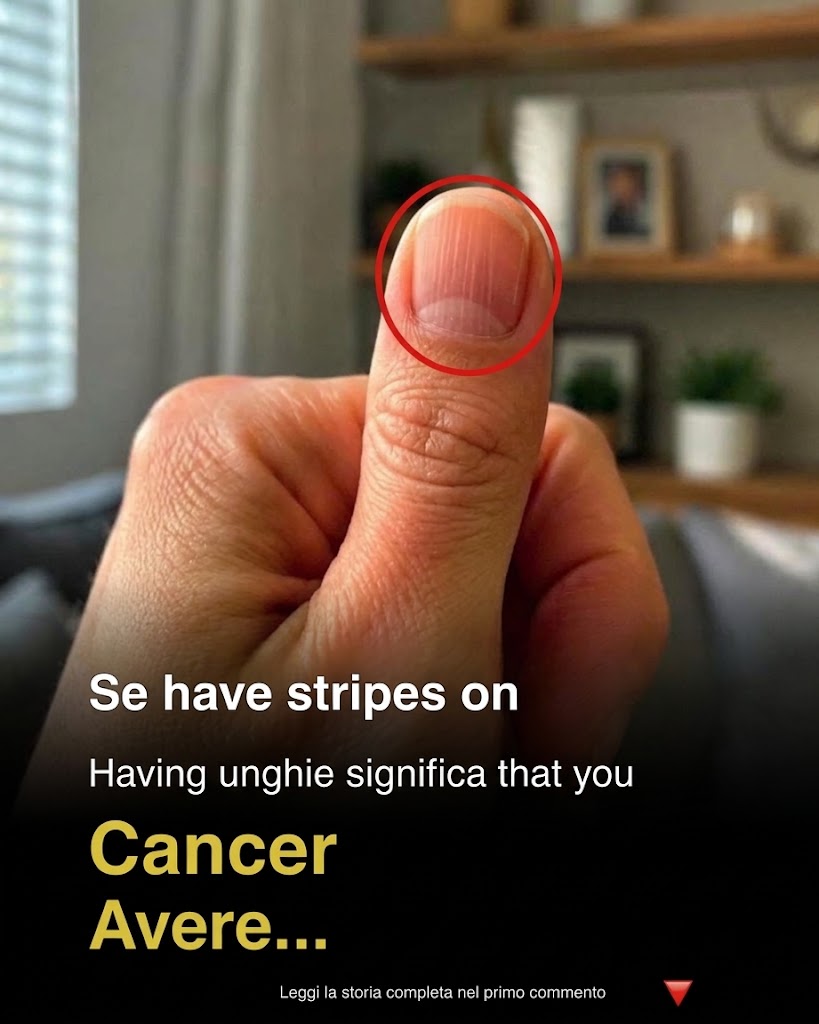
Maintaining our overall health involves paying attention to subtle physical signals throughout the body. From the condition of our skin and hair to the appearance of our fingernails and toenails, our bodies constantly communicate information about our daily wellness, nutrition, and aging process.
When viral health graphics circulate online highlighting dramatic claims about nail changes—such as vertical ridges or stripes being linked to serious conditions—they instantly capture public attention and raise questions. In this comprehensive guide, we explore the science of nail growth, common causes of nail ridges, and practical ways to maintain healthy nails.
The Science of Nail Growth and Common Variations
To understand why fingernails develop vertical lines or texture changes, it helps to examine how the nail matrix functions.
                  [ NAIL STRUCTURE & HEALTH ]
                                │
        ┌───────────────────────┴───────────────────────┐
        ▼                                               ▼
[ The Nail Matrix ]                             [ Natural Aging & Ridges ]
  • New nail cells form continuously from         • Vertical ridges often develop naturally over time
    the base beneath the cuticle.                   as a harmless part of the aging process.
1. The Role of the Nail Plate
Fingernails are made of a hardened protein called keratin. As new cells grow from beneath the cuticle, older cells are pushed forward, forming the smooth nail plate. Minor variations in this continuous growth process can result in visible surface lines.
2. Harmless Vertical Ridges
Faint vertical ridges running from the cuticle to the tip of the nail are extremely common and typically represent a normal, harmless sign of aging—much like fine lines on the skin. However, horizontal ridges (Beau’s lines) or dark pigmented streaks should be evaluated by a healthcare professional.
Step-by-Step Guide: Maintaining Strong and Healthy Nails
If you want to support strong, healthy nails and protect your hands, following a simple, nourishing care routine is essential.
┌─────────────────────────────────────────────────────────┐
│              NAIL CARE & HEALTH ROUTINE                 │
└────────────────────────────┬────────────────────────────┘
                             │
                             ▼
┌─────────────────────────────────────────────────────────┐
│ STEP 1: KEEP NAILS MOISTURIZED                          │
│ • Apply hand cream and cuticle oil daily to prevent     │
│   dryness and splitting                                 │
└────────────────────────────┬────────────────────────────┘
                             │
                             ▼
┌─────────────────────────────────────────────────────────┐
│ STEP 2: MAINTAIN BALANCED NUTRITION                     │
│ • Eat a nutrient-rich diet containing vitamins, biotin, │
│   and adequate protein                                  │
└────────────────────────────┬────────────────────────────┘
1. Proper Moisturization
Keep your hands and nail beds well-hydrated by applying nourishing hand creams and cuticle oils regularly, especially during dry weather or after frequent handwashing.
2. Balanced Nutrition and Protection
Support nail strength from the inside out with a balanced diet rich in essential vitamins and minerals. Wear gloves when doing household chores or handling harsh cleaning chemicals to protect your nails from damage.
Fascinating Facts About Human Nails
-
Nail Growth Rate: Fingernails typically grow at an average rate of about 3 millimeters per month, meaning a completely new nail replaces itself in roughly six months.
-
Protective Function: Human nails evolved primarily to protect the sensitive tips of our fingers and toes while enhancing our dexterity for handling objects.
-
Viral Health Myths: Sensationalized health claims regarding physical symptoms frequently circulate on social media, making evidence-based medical guidance more important than ever.
Practical Checklist for Nail Care
-
Moisturize Daily: Use hand creams and cuticle oils to keep your nail beds supple.
-
Avoid Harsh Chemicals: Wear protective gloves when using strong cleaning agents or detergents.
-
Trim Safely: Keep nails neatly trimmed and shaped to prevent accidental snags and tears.
-
Consult Professionals: Speak with a dermatologist or primary care physician if you notice unusual changes, discoloration, or persistent discomfort in your nails.
Conclusion
Understanding the natural changes that occur in our nails helps us distinguish between normal aging and signs that require medical attention. By practicing gentle nail care, maintaining proper hydration, and relying on trusted healthcare professionals, you can keep your nails healthy and strong!
Frequently Asked Questions (FAQ)
What causes vertical ridges to appear on fingernails?
Vertical ridges are most commonly a harmless, natural part of the aging process, similar to wrinkles on the skin. They occur as the nail’s growth cells change slightly over time.
Are vertical nail ridges a sign of a serious illness?
In the vast majority of cases, faint vertical ridges are completely benign and normal. However, if you notice other changes such as pitting, splitting, or dark discoloration, you should consult a doctor.
How can I strengthen weak or brittle nails?
Keeping your hands moisturized, protecting them with gloves during cleaning, eating a balanced diet rich in nutrients, and avoiding harsh nail polishes or removers can help strengthen nails.
When should I see a doctor about nail changes?
You should consult a board-certified dermatologist or healthcare provider if you experience persistent pain, bleeding around the nail, sudden shape changes, or dark vertical bands beneath the nail plate.
