
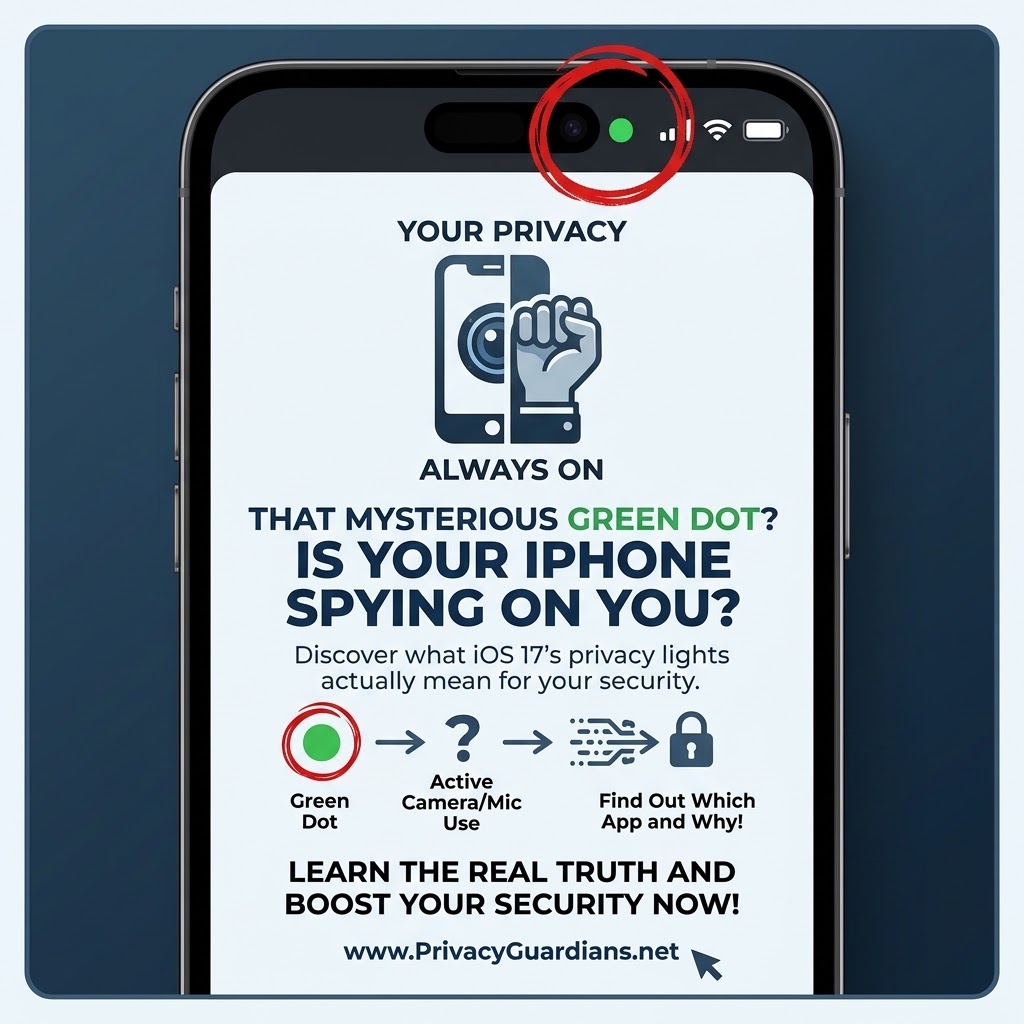
In the digital age, smartphones have become an indispensable part of daily life, holding our most private communications, financial records, photos, and personal data. As mobile technology advances, concerns regarding digital privacy, app surveillance, and data security have taken center stage. Modern operating systems, including iOS, feature built-in indicator lights—such as the iconic green dot appearing near the camera cutout—designed to alert users whenever an app or background service is actively utilizing device hardware. Understanding what these privacy indicators mean is essential for maintaining personal digital security.
Beyond the immediate mechanics of smartphone notifications, digital security intersects with various professional and financial domains. From cybersecurity legal compliance and privacy regulations to smartphone insurance coverage, financial identity protection, and personal budgeting for secure technology, managing digital life requires a comprehensive approach. This article explores the mechanics of smartphone privacy indicators, cybersecurity best practices, legal rights regarding digital surveillance, and strategies for safeguarding personal information.
The Mechanics of Smartphone Privacy Indicators
Modern operating systems incorporate hardware-level indicators to enhance user transparency. Unlike software prompts that can be manipulated, these hardware indicators are hardwired to the device’s camera and microphone circuits.
What Do the Indicator Dots Mean?
-
The Green Dot: Indicates that an application is actively using the iPhone’s camera (or both the camera and microphone).
-
The Orange Dot: Indicates that an application is actively utilizing the microphone to record audio.
-
Control Center Insights: By swiping down to open the Control Center, users can instantly see the exact name of the app that recently accessed their camera or microphone.
Common Misconceptions About Spying and Background Apps
Many users panic when they notice indicator lights, fearing malicious spyware or unauthorized tracking. While sophisticated malware does exist, the vast majority of green or orange dot activations stem from legitimate apps performing routine tasks—such as video calling, scanning a QR code, recording a voice memo, or utilizing facial recognition features. However, monitoring these indicators helps users identify rogue applications that request unnecessary background permissions.
Cybersecurity, Legal Regulations, and Privacy Protections
Data privacy is protected by an evolving framework of local, national, and international laws designed to prevent unauthorized surveillance and corporate data harvesting.
       +-------------------------------------------------------+
       |             SMARTPHONE PRIVACY & SECURITY             |
       +-------------------------------------------------------+
                                   |
         +-------------------------+-------------------------+
         |                                                   |
         v                                                   v
+------------------+                               +------------------+
| Hardware Triggers|                               | Legal & Policy   |
+------------------+                               +------------------+
| • Green Dot (Cam)|                               | • Data Privacy   |
| • Orange Dot (Mic)|                              | • App Store Rules|
| • Control Center |                               | • Cybersecurity  |
+------------------+                               +------------------+
Regulatory Standards and App Store Compliance
Technology corporations and regulatory bodies enforce strict guidelines governing how mobile applications handle user data:
-
Permission Prompts: Apps must explicitly request user consent before accessing sensitive hardware components like cameras, microphones, or location services.
-
Data Minimization: Developers are legally and operationally required to collect only the data necessary for their app’s core functionality.
-
Legal Recourse: Individuals who experience unauthorized data breaches, spyware intrusions, or privacy violations can consult specialized technology attorneys or legal services to explore civil remedies.
Financial Planning, Insurance, and Device Security
Securing your mobile device protects more than just your personal photos—it safeguards your financial assets, mobile banking accounts, and digital identity.
Protecting Personal Finances Through Mobile Security
A compromised smartphone can expose sensitive financial apps, credit card details, and investment accounts. Implementing robust security measures protects against financial fraud:
| Security Measure | Purpose | Financial Impact |
| Two-Factor Authentication (2FA) | Adds a secondary verification step to banking and email logins. | Prevents unauthorized account access and financial theft. |
| Device Insurance | Covers physical damage, hardware failure, or device loss. | Minimizes out-of-pocket replacement costs for high-end smartphones. |
| Regular Software Updates | Patches newly discovered cybersecurity vulnerabilities. | Shields operating systems against zero-day exploits and malware. |
Practical Tips for Enhancing Smartphone Privacy
Taking control of your mobile privacy involves reviewing settings and adopting secure daily habits:
-
Audit App Permissions: Regularly navigate to your phone’s privacy settings to review which apps have continuous access to your camera, microphone, and location.
-
Revoke Unnecessary Access: Change permissions from “Always Allow” to “While Using the App” or “Never” for applications that do not require constant access.
-
Keep Software Updated: Install the latest operating system updates immediately to ensure your device benefits from the newest security patches.
-
Download From Trusted Sources: Only download applications from official app stores (such as the Apple App Store or Google Play Store) to minimize the risk of malicious software.
Interesting Facts About Mobile Privacy and Hardware Indicators
-
Hardware-Level Design: The indicator lights on modern smartphones are directly linked to the power circuits of the camera and microphone sensors, meaning software cannot turn on the camera without illuminating the dot.
-
Global Privacy Standards: Privacy indicator lights became an industry-wide standard following widespread consumer demand for greater transparency regarding background data collection.
-
The Rise of Mobile Threats: Cybersecurity reports indicate that mobile-targeted phishing and spyware attacks have grown exponentially, making hardware indicators a crucial frontline defense for everyday users.
Conclusion
The appearance of a mysterious green dot on your smartphone screen is not a sign of espionage, but rather a powerful transparency tool designed to keep you informed of your device’s activity. By understanding how privacy indicators work, auditing app permissions regularly, and maintaining strong cybersecurity habits, you can protect your personal data, secure your financial accounts, and navigate the digital world with confidence and peace of mind.
Frequently Asked Questions (FAQ)
1. What does the green dot on my iPhone screen mean?
The green dot indicates that an application is currently using your iPhone’s camera or both the camera and microphone.
2. How can I check which app is using my camera or microphone?
You can swipe down from the top right corner of your screen to open the Control Center, where the name of the app currently or recently using the hardware will be displayed at the top.
3. Should I be worried if the green dot appears unexpectedly?
Not necessarily, as many legitimate apps use the camera. However, if the dot appears when no apps are actively open, you should check your running applications and review app permissions.
4. How can I restrict apps from accessing my camera and microphone?
Navigate to your device’s Settings, select Privacy & Security, and review the Camera and Microphone permissions to revoke access for any untrusted applications.
