
Introduction
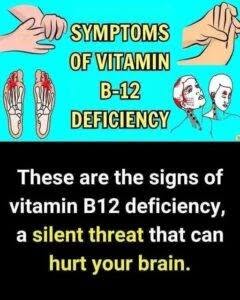
Maintaining proper nutrition and vitamin levels is essential for overall health, energy metabolism, and neurological function. Among the key micronutrients our bodies require, vitamin B12 plays a critical role in keeping nerve cells healthy and supporting brain function. When levels drop too low, it can lead to various physical and cognitive warning signs.
Managing personal wellness, nutrition, and household finance requires careful attention to detail and proactive care. This comprehensive guide explores the common symptoms of vitamin B12 deficiency, why it poses a silent threat to neurological health, and how to maintain adequate levels through diet and lifestyle choices.
Key Signs and Symptoms of Vitamin B12 Deficiency
Because vitamin B12 is crucial for nerve function and red blood cell production, a deficiency can manifest through several distinct symptoms across the body.
1. Neurological and Sensory Changes
-
Numbness and Tingling: A lack of vitamin B12 frequently causes a “pins and needles” sensation or numbness in the hands and feet due to nerve fiber irritation or damage.
-
Cognitive Impact: Long-term deficiencies can affect brain health, sometimes leading to memory issues, difficulty concentrating, or mood changes.
2. Fatigue and Weakness
-
An inadequate supply of vitamin B12 impairs the body’s ability to produce healthy red blood cells, resulting in megaloblastic anemia, which causes persistent fatigue, weakness, and lightheadedness.
Practical Tips for Maintaining Healthy Vitamin B12 Levels
-
Incorporate B12-Rich Foods: Ensure your diet includes sufficient amounts of vitamin B12 through animal products such as fish, poultry, meat, eggs, and dairy, or fortified plant-based alternatives.
-
Consider Supplements: If you follow a strict vegetarian or vegan diet, consult a healthcare provider about taking daily vitamin B12 supplements to prevent deficiency.
-
Regular Blood Tests: If you experience unexplained fatigue or neurological tingling, request a routine blood panel from your doctor to check your vitamin B12 levels.
Interesting Facts About Vitamin B12
-
Storage Capacity: The human liver can store large reserves of vitamin B12, meaning a deficiency can sometimes take years to develop after dietary intake ceases.
-
Absorption Complexities: Vitamin B12 absorption requires a special protein called intrinsic factor, produced in the stomach; as people age, the production of this protein can decline, increasing deficiency risks.
-
Brain Volume: Research suggests that maintaining optimal vitamin B12 levels supports long-term brain health and helps protect against age-related cognitive decline.
Conclusion
Recognizing the early warning signs of vitamin B12 deficiency is vital for protecting your nervous system and overall brain health. By monitoring your diet and consulting healthcare professionals when symptoms arise, you can keep your nutrient levels balanced and maintain lifelong vitality!
Frequently Asked Questions (FAQ)
Why is vitamin B12 deficiency considered a “silent threat”?
It often develops very gradually over months or years, with subtle symptoms like fatigue and mild tingling that people may initially overlook or attribute to normal stress.
Who is most at risk for vitamin B12 deficiency?
Older adults, individuals with gastrointestinal conditions affecting nutrient absorption, and people following strict plant-based diets without supplementation face a higher risk.
Can vitamin B12 deficiency be reversed?
Yes, early stages of deficiency can typically be corrected effectively through dietary adjustments, high-dose oral supplements, or vitamin B12 injections prescribed by a doctor.
