
If you experience chest pain, sudden severe headache, vision changes, fainting, or a racing heart, seek emergency medical care immediately.
Why stopping blood pressure medication suddenly can be dangerous
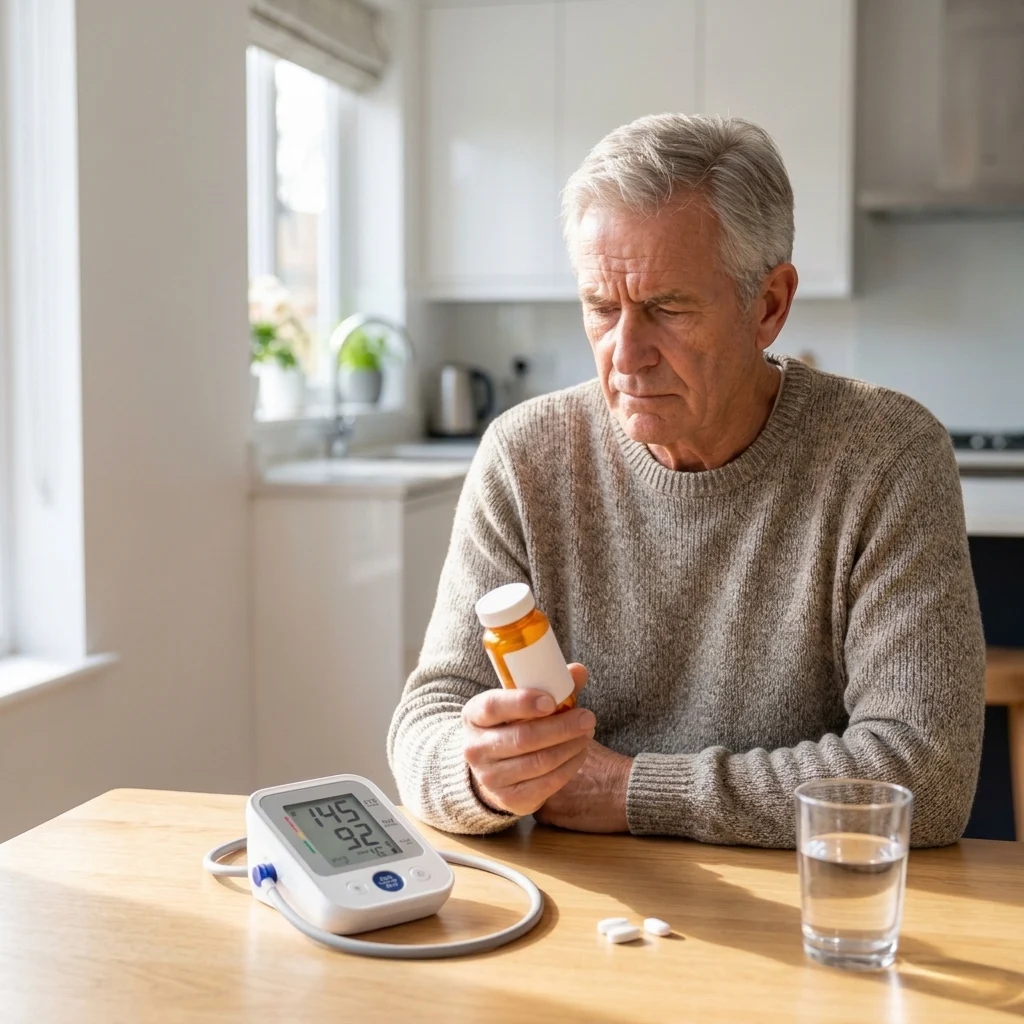
If you’ve started taking blood pressure medication but find yourself feeling unusually tired, dizzy, or experiencing cold hands and feet, you might be tempted to stop the medication on your own. It’s a common impulse when side effects affect daily life more noticeably than the high blood pressure itself, which often causes no symptoms.
However, abruptly discontinuing blood pressure drugs—particularly beta
blockers—can trigger a serious and rapid increase in blood pressure known as rebound hypertension. This rebound effect occurs because your cardiovascular system has adjusted to the presence of the medication. When the medication is removed suddenly, the body can overreact, causing blood pressure to spike dangerously, sometimes even higher than before treatment began.
Check your medicine cabinet first
Look closely at which blood pressure medications you are taking. Beta blockers such as metoprolol, atenolol, and propranolol deserve special caution. These drugs slow your heart rate by blocking the effects of
stress hormones. Over time, your body compensates by making heart receptors more sensitive. If the medication is stopped suddenly, those receptors respond strongly, causing a racing heart, chest discomfort, and potentially severe heart problems—especially if you have existing coronary artery disease.
This risk is highest within days after stopping beta blockers abruptly, not months later. That’s why medical professionals emphasize gradual tapering rather than sudden cessation.
Feeling fine doesn’t mean you can stop
Many people consider stopping medication because their blood pressure readings look good. But that often means the
medication is working, not that the condition has resolved. Just like glasses help you see better without curing your eyesight, blood pressure medication controls your numbers without curing the underlying cause.
Side effects such as fatigue, dizziness, or a persistent dry cough can improve as your body adjusts. But some do not, and all deserve a conversation with your healthcare provider. They can often recommend alternative medications or solutions that let you keep your blood pressure under control without compromising your quality of life.
Make a plan with your doctor
Stopping blood pressure medication on your own can lead to preventable complications. Instead, discuss side effects openly with your clinician. They can guide you on whether symptoms might improve with time, suggest different treatments, or arrange a medically supervised taper if stopping is necessary.
Prepare for your appointment by noting your symptoms, their timing, and any blood pressure readings you’ve taken. This detailed information helps your healthcare provider tailor a safe and effective plan to protect both your heart health and daily well-being.
Here are the 10 most important items
to understand. Number 3 explains why beta blockers require special caution — and it could save your life.
Continue Reading on the Next Page
1. Common side effects of blood pressure medication
Blood pressure medications vary widely in their mechanisms, so side effects depend on the drug class. Some of the most frequently reported side effects include unusual tiredness or fatigue, which might make daily activities feel more challenging. Patients often notice coldness in their hands or feet due to reduced circulation or the medication’s effect on blood vessels.
Dizziness, especially
when standing up quickly, is another common complaint and may result from blood pressure dropping too low or altered blood flow. Certain medications, such as ACE inhibitors, are known to cause a persistent dry cough in some individuals. Calcium channel blockers like amlodipine may lead to swollen ankles, a condition called peripheral edema.
Sexual dysfunction or decreased libido can also occur with some blood pressure drugs, affecting quality of life. These side effects are significant and should not be dismissed, but they don’t usually require stopping medication without medical advice.
Fatigue or low energy levels
Cold extremities (hands and feet)
Dizziness or lightheadedness upon standing
Dry cough (especially with ACE inhibitors)
Swollen ankles (common with calcium channel blockers)
Sexual side effects, including reduced libido
Patients experiencing these symptoms should report them to their healthcare provider. Often, alternative medications or dosage adjustments can alleviate side effects without compromising blood pressure control.
2. Understanding rebound hypertension
Rebound hypertension is a potentially dangerous increase in blood pressure that can occur when blood pressure medications are stopped suddenly. The body adjusts to the presence
of these drugs over time, so their abrupt removal disrupts the established balance.
When medication is discontinued without tapering, blood pressure may rise rapidly, sometimes exceeding pre-treatment levels. This overshoot effect is similar to releasing a brake too quickly, causing the vehicle to surge forward.
Rebound hypertension poses risks such as increased strain on the heart and blood vessels, which can lead to complications like stroke or heart attack if not managed promptly. This phenomenon highlights why stopping blood pressure medication without guidance is unsafe.
Understanding rebound hypertension underscores the
importance of consulting a healthcare professional before making changes to prescribed treatment. Gradual tapering under medical supervision helps prevent these dangerous spikes in blood pressure.
Continue Reading on the Next Page
3. Risks of abrupt beta blocker withdrawal
Beta blockers, including metoprolol, atenolol, and propranolol, require particular caution when discontinuing. These medications block stress hormone effects on the heart, slowing heart rate and reducing blood pressure.
Over time, the body compensates by increasing beta receptor sensitivity or number to maintain balance. If beta blockers are stopped suddenly, these extra-sensitive receptors
respond excessively to stress hormones, causing rapid heartbeats, palpitations, or chest discomfort.
Patients with coronary artery disease are especially vulnerable, as the heart’s oxygen demand spikes while blood supply may be limited. This mismatch can precipitate angina, arrhythmias, or even myocardial infarction in the days following abrupt withdrawal.
Because these risks are highest shortly after stopping beta blockers, healthcare providers emphasize tapering rather than sudden cessation to prevent serious cardiac events.
4. How the body adapts to blood pressure meds
The body’s cardiovascular system adjusts dynamically when blood pressure medications
are used regularly. For example, arteries may change their tone and responsiveness, while the nervous system alters its signaling to maintain stable blood pressure.
When medications act on receptors or enzymes involved in blood pressure regulation, the body often compensates through receptor upregulation or changes in hormone levels. These adaptations help maintain homeostasis despite ongoing drug effects.
This physiological adjustment explains why stopping medication suddenly can cause rebound effects. The system needs time to recalibrate, which is why tapering schedules are important—they allow gradual reversal of these adaptations without provoking
dangerous spikes.
5. When to contact your healthcare provider
Side effects that interfere with daily life or cause concern warrant prompt consultation with your prescribing clinician. Persistent dizziness, a bothersome dry cough, swollen ankles, or fatigue that reduces normal activity levels are all reasons to seek medical advice.
Sexual dysfunction or cold extremities affecting comfort should also be reported. Open communication can enable your provider to adjust treatment, switch medications, or recommend supportive measures to improve tolerability.
Never stop or adjust blood pressure medication doses on your own. Instead, contact
your healthcare team to discuss symptoms and develop a safe plan tailored to your needs and health status.
Continue Reading on the Next Page
6. Symptoms that require emergency care
Some symptoms signaling serious complications require immediate medical attention. These include:
Chest pain or pressure, which could indicate heart attack or angina
A sudden severe headache unlike previous headaches, possibly indicating stroke or hypertensive crisis
Vision changes such as blurred vision or sudden loss of sight
Fainting or loss of consciousness
A sudden onset of rapid or pounding heartbeats, especially
if accompanied by dizziness or chest discomfort
These signs should never be ignored or attributed to minor causes. Prompt evaluation in an emergency setting is essential to prevent life-threatening outcomes.
7. The importance of tapering medication
Tapering means gradually reducing the dose of blood pressure medication under medical supervision rather than stopping abruptly. The approach depends on factors such as the specific drug, dose, duration of treatment, underlying health conditions, and recent blood pressure control.
Because the body adapts to medication presence, tapering helps it adjust slowly, minimizing risks like
rebound hypertension or cardiac stress. For beta blockers particularly, tapering schedules are carefully planned to avoid dangerous surges in heart rate and blood pressure.
Patients should always follow their healthcare provider’s instructions on tapering. This process is tailored individually and is not interchangeable with sudden cessation.
8. Alternatives when side effects persist
If side effects continue despite initial adjustments, alternative strategies exist. These include trying a different medication class with a lower side effect profile, adjusting dosages, or combining therapies to reduce individual drug burden.
Some patients may benefit from
lifestyle modifications alongside or instead of medication changes, such as dietary improvements, regular physical activity, and stress management. However, these should complement—not replace—prescribed treatments unless advised by a clinician.
Working collaboratively with your healthcare provider is critical to finding a regimen that balances blood pressure control with quality of life.
Continue Reading on the Next Page
9. Preparing for a medication review appointment
Before meeting your healthcare provider to discuss blood pressure medication and side effects, preparation can improve the quality of the conversation. Document the symptoms you’ve noticed, including
when they started and how frequently they occur.
Note any factors that seem to worsen or relieve symptoms. If you’ve been tracking home blood pressure readings, bring this information. Also, compile a list of all current medications and supplements to avoid interactions or duplications.
Being specific and organized helps your provider understand your experience and recommend appropriate adjustments or tests.
10. Questions to ask your doctor about side effects
Effective communication with your healthcare provider starts with clear questions. Consider asking:
Could this symptom be related to my blood pressure
medication?
Is this side effect likely to improve over time?
Are there other medications that might cause fewer side effects?
Could lifestyle changes help reduce my symptoms or medication needs?
What symptoms should prompt me to seek urgent care?
These questions foster a collaborative approach, helping you and your provider tailor treatment safely and effectively.
When to See a Doctor
Contact your healthcare provider if you experience side effects that disrupt your daily life or new symptoms such as dizziness, swelling, unexplained fatigue, or sexual dysfunction. Seek emergency care immediately
if you develop chest pain, severe headache, vision changes, fainting, or a racing heart.
Conclusion
Stopping blood pressure medication suddenly can be more dangerous than the side effects prompting you to quit. Rebound hypertension and, in the case of beta blockers, increased cardiac risk underscore the need for medical supervision when changing treatment.
Communicate openly with your healthcare provider about side effects, explore alternatives, and never stop or adjust medications without guidance. This approach protects your heart health and quality of life simultaneously.
This article is for informational purposes onlyand does not replace professional medical advice. Always consult your healthcare provider regarding medication changes or health concerns.
