
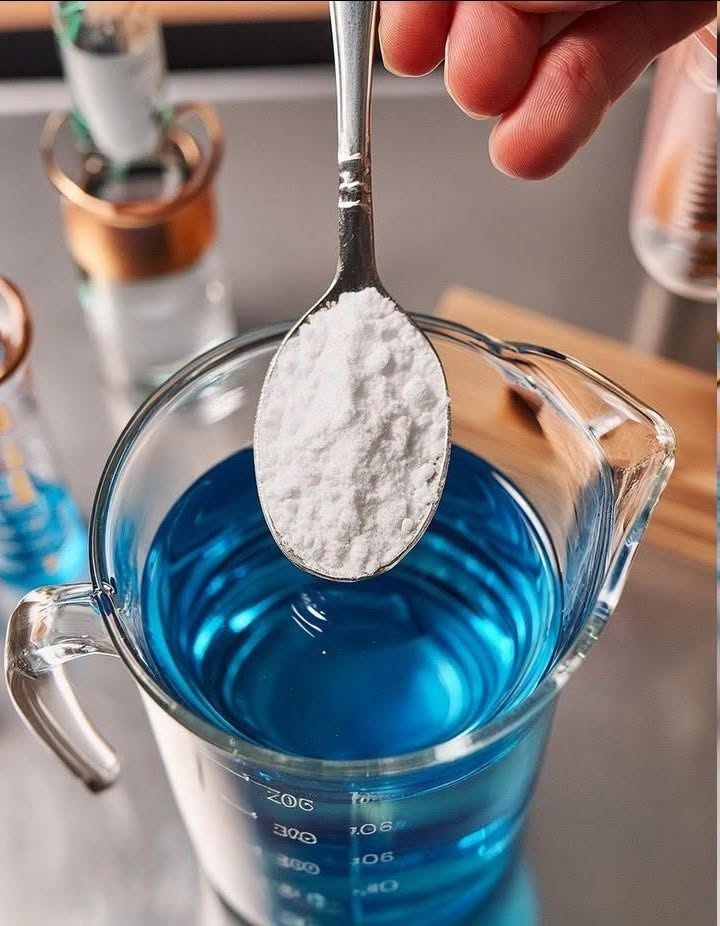
For generations, simple household ingredients have provided some of the most effective, versatile, and budget-friendly solutions for daily living. Among these, sodium bicarbonate—commonly known as baking soda—stands out as a absolute powerhouse in household care, personal wellness, and natural cleaning solutions. When dissolved in water, this humble white powder creates an alkaline solution capable of neutralizing odors, lifting stubborn stains, supporting digestion, and revolutionizing home maintenance routines.
In an era where consumers are increasingly looking to reduce household expenses while avoiding harsh chemical formulations, mastering simple water-and-baking-soda hacks offers incredible value. From eco-friendly cleaning methods to personal hygiene enhancements, understanding how to harness chemical reactions in everyday life can save both time and money.
This comprehensive guide explores the science behind baking soda solutions, practical step-by-step applications, safety precautions, and expert home tips to help you maximize your household efficiency.
The Fascinating Science of Baking Soda and Water Solutions
To appreciate why a simple spoon of baking soda in water works so effectively, it helps to understand the underlying science. Baking soda is a pure, food-grade compound known scientifically as sodium bicarbonate ($\text{NaHCO}_3$).
Understanding pH and Alkalinity
On the pH scale—which measures how acidic or basic a substance is—pure water sits at a neutral 7, while baking soda possesses a mildly basic (alkaline) pH of around 8.3 to 9. When dissolved in water, baking soda acts as a powerful buffering agent:
-
Acid Neutralization: It actively neutralizes acidic compounds, which are often the root cause of strong odors, kitchen grease buildup, and heartburn.
-
Mild Saponification: When mixed with grease or fats, alkaline solutions break down organic oils into water-soluble soap-like substances, making cleaning effort-free.
-
Water Softening: Baking soda reduces mineral hardness in water, allowing mild detergents and natural cleansers to work with maximum efficiency.
Top Practical Applications for Home, Cleaning, and Hygiene
1. Natural Deodorizer and Air Freshener
Unlike commercial air sprays that simply mask unpleasant odors with heavy artificial fragrances, baking soda solutions neutralize odor molecules directly.
-
Refrigerator Refresh: Mixing 2 tablespoons of baking soda in warm water creates an ideal wipe-down solution for refrigerator shelves and pantry counters.
-
Carpet & Fabric Cleanser: Sprinkling baking soda or light misting with a baking soda spray removes embedded pet odors from upholstery, rugs, and mattresses.
2. Gentle Kitchen and Surface Scrubbing
Baking soda suspended in liquid provides a gentle abrasive texture that scrubs surfaces clean without scratching delicate enamel, glass, or stainless steel.
-
Cookware Restorer: Soaking burnt pots and pans in a warm baking soda bath breaks down stubborn charred food residue overnight.
-
Sink & Tile Polisher: Combining a spoonful of baking soda with warm water creates a paste that restores sparkle to porcelain sinks and bathroom tile grout.
3. Produce Washing and Residue Removal
Concerns over agricultural chemical sprays on fresh fruits and vegetables have led many health-conscious consumers to seek natural washing methods.
-
Effective Soaking Method: Soaking apples, grapes, leafy greens, and berries in a baking soda and water bath for 10 to 12 minutes removes surface dirt, wax, and agricultural residues far more effectively than tap water alone.
Personal Care and Everyday Wellness Uses
Beyond home maintenance, sodium bicarbonate solutions have long played a prominent role in personal hygiene routines and home care.
Clarifying Hair and Scalp Rinse
Product buildup from sprays, gels, and shampoos can leave hair looking dull and weighted down. Adding a teaspoon of baking soda to warm water or mixing it into your regular shampoo once a month clarifies the scalp, removes hard water mineral deposits, and restores natural hair shine.
Relaxing Foot Soaks and Bath Soaks
Dissolving half a cup of baking soda in warm bathwater creates a soothing, skin-softening soak. It helps soothe tired feet, calms irritated skin after sun exposure, and neutralizes skin surface acids after intense exercise sessions.
Natural Mouth Rinse and Breath Refresher
Mixing half a teaspoon of baking soda in a glass of warm water creates a quick, alcohol-free oral rinse. It neutralizes acids produced by oral bacteria, promoting fresh breath and supporting oral comfort.
Financial Savings and Smart Budgeting Strategies
Incorporating multipurpose household ingredients into your weekly routine provides substantial economic benefits for household budgets.
Lowering Household Cleaning Expenses
Commercial cleaning products, specialized tile spray solutions, and fabric refresheners carry high retail markups. A single box of baking soda costs very little yet can replace multiple single-purpose chemical cleaners, resulting in significant annual savings on grocery and household supplies.
Eco-Friendly Living and Waste Reduction
Using natural, non-toxic household hacks reduces reliance on single-use plastic bottles and synthetic chemical runoffs. It creates a safer indoor living environment for children, pets, and family members sensitive to harsh chemical fumes.
Important Safety Guidelines and Precautions
While sodium bicarbonate is remarkably safe and versatile, proper usage guidelines should always be followed:
-
Avoid Abrasive Damage: Avoid using dry baking soda powders on soft metals like aluminum, gold-plated fixtures, or delicate antique silverware, as gentle friction can leave tiny scratches.
-
Internal Consumption Caution: While baking soda is safe for occasional use as an antacid, individuals following low-sodium dietary protocols or managing high blood pressure, kidney conditions, or cardiovascular concerns should consult a medical professional before taking sodium bicarbonate internally.
-
Storage Best Practices: Keep your supply stored in a cool, dry place in an airtight glass or plastic container to prevent it from absorbing ambient moisture and room odors before use.
Historical Facts About Sodium Bicarbonate
-
Ancient Egyptian Origins: Long before modern industrial production, ancient Egyptians used natron—a natural mineral deposit consisting primarily of sodium carbonate and sodium bicarbonate—as a cleansing agent, soap precursor, and preservation material.
-
19th-Century Commercialization: In 1846, American bakers John Dwight and Austin Church established the first commercial production facility to package baking soda for home baking and culinary use.
-
Statue of Liberty Restoration: During the massive 1986 restoration of the Statue of Liberty, workers used over 100 tons of baking soda to gently clean and remove inner copper grime without damaging the delicate antique metalwork.
Conclusion: Small Hacks, Big Daily Impact
The simple act of stirring a spoonful of baking soda into water unlocks dozens of versatile solutions for modern homes. Whether you are seeking to streamline your kitchen cleaning routine, eliminate stubborn home odors, support your personal wellness habits, or trim down monthly household expenses, this timeless ingredient delivers exceptional results.
By keeping a box of baking soda handy and applying these practical hacks, you can enjoy a cleaner, greener, and more economical lifestyle every day.
Frequently Asked Questions (FAQ)
How can I test if my baking soda is still active and fresh?
To check freshness, pour a teaspoon of baking soda into a small cup and add a few drops of vinegar or lemon juice. If it fizzes vigorously right away, it is fully active and ready for use in baking or cleaning.
Can I mix baking soda with vinegar for cleaning?
Yes, but timing matters. The immediate chemical reaction produces bubbling carbon dioxide gas, which helps lift stubborn grease and loose grime from drain pipes and grout lines. However, once the fizzing stops, the remaining mixture becomes mostly water and sodium acetate, so use the mixture while it is actively fizzing.
Is baking soda safe for washing all types of fruits?
Yes, baking soda water is safe for all washable produce, including apples, cucumbers, citrus fruits, and firm vegetables. Simply rinse with fresh running water after soaking.
