
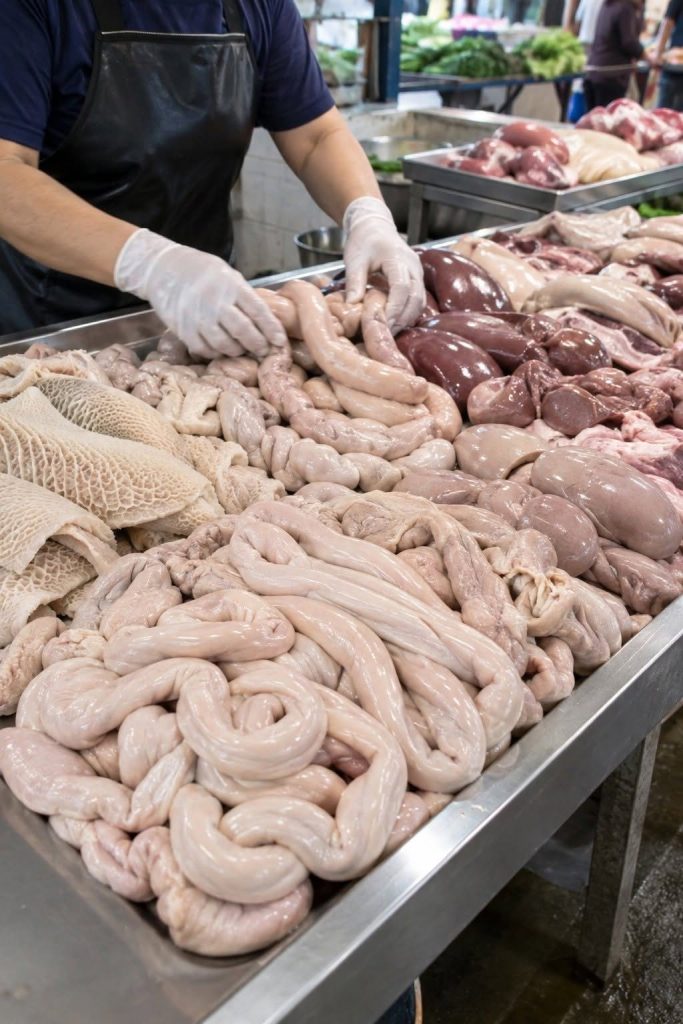
For generations, traditional culinary cultures around the world have practiced head-to-tail cooking, honoring every part of the animal. Offal, or organ meats—including beef tripe, liver, kidneys, and intestines—has long served as a foundational nutrient powerhouse for human societies. Across Latin America, Asia, Europe, and Africa, organ meats are not merely economical cuts; they are beloved delicacies featured in celebratory feasts and traditional family recipes.
In recent years, modern nutrition science, nose-to-tail dining movements, and health enthusiasts have sparked a major revival in offal consumption. Highlighting remarkable nutrient density, exceptional bioavailability, and sustainable food practices, organ meats are reclaiming their spot in contemporary cuisine.
This comprehensive guide explores the deep cultural heritage, health benefits, safety guidelines, and master cooking techniques associated with preparing traditional offal.
The History and Culinary Legacy of Head-to-Tail Cooking
Long before modern supermarkets popularized standardized primal cuts like boneless ribeyes and chicken breasts, human ancestors relied heavily on organ meats for survival. In hunter-gatherer societies, the internal organs were considered the prized portions of any hunt due to their rich concentration of essential vitamins and minerals.
As agricultural civilizations expanded, traditional butcher shops and open-air markets meticulously prepared variety meats such as honeycomb tripe, liver, heart, and intestines. Iconic national dishes emerged from these practices:
-
Menudo and Mondongo: Rich, savory soups prepared with beef tripe across Mexico, the Caribbean, and Central America.
-
Chitlins (Chitterlings): Slow-simmered pork intestines deeply rooted in Southern American heritage cuisine.
-
Gopchang and Intestine Barbecue: Highly sought-after delicacies in Korean culinary culture known for their rich flavor and tender texture.
-
Tacos de Suadero y Tripa: Famous Mexican street food offerings appreciated for their crispy texture and bold taste.
Unmatched Nutritional Value: Why Organ Meats Are Nature’s Multivitamin
Organ meats represent some of the most nutrient-dense foods available on the planet. Unlike muscle meats, internal organs store concentrated amounts of micronutrients necessary for optimal human health.
Exceptional Bioavailability and Micronutrients
Organ meats provide vitamins and minerals in highly bioavailable forms that the human body absorbs effortlessly:
-
Vitamin A (Retinol): Essential for immune function, healthy vision, and cellular growth.
-
B-Complex Vitamins: Particularly rich in Vitamin B12, riboflavin (B2), and folate, which support red blood cell formation and metabolic energy production.
-
Heme Iron: Readily absorbed iron that helps prevent anemia and maintains overall stamina.
-
Coenzyme Q10 (CoQ10): Found abundantly in heart tissue, acting as a potent antioxidant for cardiovascular support.
-
Essential Minerals: High concentrations of zinc, selenium, copper, and phosphorus to aid hormonal health and metabolic efficiency.
Understanding Different Types of Offal and Their Distinct Profiles
To master the art of preparing variety meats, it helps to understand the unique texture, flavor profile, and culinary applications of each cut.
1. Beef Tripe (Honeycomb and Smooth Tripe)
Tripe comes from the lining of a ruminant’s stomach. Honeycomb tripe is widely favored by chefs due to its beautiful geometric structure and ability to absorb savory broths and braising liquids. It requires thorough cleaning and long, low-temperature simmering to achieve a tender, satisfying bite.
2. Intestines (Chitterlings / Tripas)
Cleaned thoroughly and prepared with precision, small and large intestines offer a mild, savory taste with an incredible dual texture—tender when stewed, yet uniquely crispy when fried or grilled over charcoal.
3. Beef and Calf Liver
Often hailed as the king of nutrient density, liver features a rich, earthy flavor. Soaking liver in milk or lemon water prior to cooking softens any sharp metallic undertones, producing a delicate texture ideal for searing or preparing creamy patés.
4. Kidneys
Rich in B vitamins and selenium, kidneys feature a firm texture and distinct mineral taste. Proper soaking in salted water or vinegar solution ensures a mild, delicious result in slow-cooked stews and pies.
Proper Cleaning, Handling, and Preparation Standards
Handling fresh offal correctly is essential for both food safety and culinary quality. Professional butchers and experienced home cooks follow strict preparation steps:
-
Rinsing and Washing: Thoroughly rinse cuts under cool running water. Intestines and tripe should be washed multiple times using vinegar, coarse sea salt, and fresh lemon juice to eliminate natural aromas.
-
Parboiling (Blanching): Boil the cuts in salted water with aromatic herbs (such as bay leaves, garlic, peppercorns, and ginger) for 15 to 30 minutes. Discard the initial cooking water before proceed with final recipes.
-
Low and Slow Braising: Slow simmering in broth or savory sauces breaks down collagen, producing tender, melt-in-your-mouth textures.
Sustainability, Budget-Friendly Cooking, and Business Advantages
In addition to health benefits, integrating organ meats into weekly meal plans provides significant financial and environmental advantages.
Economic Savings and Smart Budgeting
With rising inflation and grocery costs, organ meats represent some of the most affordable high-protein choices at local butcher counters. Families can stretch their food budget significantly without sacrificing nutritional quality.
Sustainable Nose-to-Tail Environmental Impact
Purchasing variety meats reduces agricultural waste and supports sustainable livestock farming practices. Utilizing the whole animal honors agricultural resources and promotes ecological balance.
Interesting Culinary and Historical Facts About Offal
-
Ancient Royal Feasts: In medieval European banquets, organ meat dishes known as “umble pies” were served—the origin of the modern phrase “to eat humble pie”.
-
Street Food Stardom: In night markets across South Korea, Mexico City, and Tokyo, grilled intestine skewers consistently rank among the highest-rated gourmet culinary attractions.
-
Superfood of Historic Explorers: Arctic explorers and indigenous tribes relied on organ meats and pemmican to survive harsh winters without developing nutrient deficiencies.
Conclusion: Reclaiming the Rich Flavor and Health Benefits of Offal
Organ meats represent a powerful intersection of culinary tradition, biological nourishment, and environmental sustainability. By mastering proper cleaning techniques and slow-cooking methods, home cooks can unlock rich flavors and unprecedented nutrient density.
Whether you are seeking to optimize your health, save on family food expenses, or explore authentic international cuisines, adding variety meats to your kitchen repertoire is a deeply rewarding culinary journey.
Frequently Asked Questions (FAQ)
How do you neutralize strong odors in organ meats before cooking?
Soaking cuts like liver, kidneys, or tripe in cold milk, buttermilk, or acidic water (containing fresh lemon juice or white vinegar) for 1 to 2 hours effectively neutralizes strong odors and tenderizes the meat.
Are organ meats suitable for modern healthy diets?
Yes! Organ meats align exceptionally well with low-carb, keto, paleo, and carnivore dietary approaches due to their high protein content, zero carbohydrates, and rich mineral profile.
Where is the best place to buy fresh, high-quality organ meats?
Look for reputable local butchers, ethnic markets (such as Asian, Hispanic, or Middle Eastern grocery stores), or certified organic local farms that emphasize pasture-raised livestock.
