
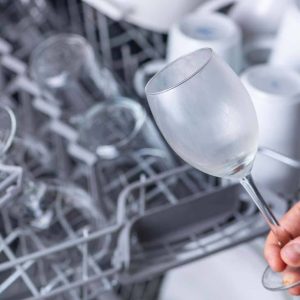
Modern kitchen appliances like automatic dishwashers are designed to make household chores effortless, saving time and water after every meal. However, many homeowners face a frustrating paradox: pulling delicate glassware and wine glasses out of the dishwasher only to find them covered in a cloudy, hazy, or milky film.
This common problem often leads people to think their expensive glassware is permanently ruined or that their dishwasher is failing. In reality, cloudy glassware is usually caused by mineral buildup, hard water deposits, or micro-abrasions on the glass surface.
This comprehensive guide explores the science of glass cloudiness, step-by-step restoration methods, financial savings, and practical kitchen maintenance tips.
The Science Behind Cloudy Glassware
To solve the problem of hazy dishes, it helps to understand the two main reasons glassware loses its crystal-clear shine.
1. Hard Water Mineral Deposits
When water containing high levels of calcium and magnesium minerals evaporates during the dishwasher’s drying cycle, it leaves behind a microscopic crust of mineral scale across the smooth surface of the glass. This layer scatters light, creating a cloudy, milky appearance.
2. Glass Corrosion (Etching)
Unlike mineral buildup, permanent glass etching happens when soft water, high wash temperatures, and harsh detergents combine over time, stripping microscopic layers of silica out of the glass itself. Once glass is etched, the damage is unfortunately permanent.
Step-by-Step Guide: How to Restore and Prevent Cloudy Glass
Fortunately, if your glassware is suffering from mineral film rather than permanent etching, you can restore its brilliant sparkle easily.
1. The White Vinegar Soak
-
Fill and Soak: Submerge your cloudy wine glasses in a basin filled with warm water and one cup of white vinegar for 15 to 30 minutes. The mild acetic acid in vinegar dissolves alkaline mineral deposits instantly.
-
Wipe and Rinse: Gently wipe the surface with a soft microfiber cloth, then rinse thoroughly with clean warm water.
2. Optimizing Your Dishwasher Routine
-
Use Rinse Aid: Always keep your dishwasher’s rinse aid dispenser filled; rinse aid lowers the surface tension of water, allowing droplets to slide off cleanly before drying into spots.
-
Adjust Detergent Levels: Avoid using excessive dishwasher detergent, especially if you have soft water, as harsh abrasives contribute to permanent glass etching.
Financial Savings and Household Maintenance
Properly maintaining your kitchenware and appliances offers substantial economic benefits.
Protecting Your Glassware Investment
High-end crystal and specialized wine glasses are expensive to replace. Learning how to safely clean mineral deposits and adjust your wash cycles prevents you from prematurely discarding quality glassware.
Extending Dishwasher Lifespan
Regularly cleaning your dishwasher’s filter and running descaling cycles prevents mineral buildup inside the machine’s heating elements and spray arms, ensuring optimal performance for years to come.
Important Safety Guidelines and Cautions
When cleaning delicate glassware, keep these safety measures in mind:
-
Hand-Washing Delicate Crystal: Expensive handmade crystal wine glasses should always be washed by hand in lukewarm water with mild soap rather than placed in an automatic dishwasher.
-
Avoid Thermal Shock: Never expose cold glassware directly to boiling water or hot surfaces, as rapid temperature shifts can cause the glass to crack or shatter.
Interesting Facts About Glassmaking
-
Ancient Origins: Glassmaking dates back over 4,000 years to ancient Mesopotamia and Egypt, where artisans crafted decorative beads and small vessels using sand, soda, and lime.
-
The Structure of Glass: Despite its rigid appearance, glass is scientifically classified as an amorphous solid—an intermediate state between a liquid and a crystalline solid.
Conclusion: Enjoy Crystal-Clear Glassware Every Day
Dealing with cloudy wine glasses doesn’t have to be a permanent frustration. By understanding the difference between mineral film and glass etching, utilizing simple vinegar treatments, and optimizing your dishwasher settings, you can keep all your glassware sparkling like new.
Frequently Asked Questions (FAQ)
How can I tell if my glasses are permanently etched or just dirty?
Try wiping the cloudy surface with a drop of white vinegar or rubbing alcohol on a soft cloth. If the cloudiness disappears, it is mineral buildup; if it remains unchanged, the glass has suffered permanent etching.
Why does soft water cause cloudy glasses?
Soft water lacks the minerals that bind to dishwasher detergents, which can cause the detergent to become overly aggressive, attacking the silicate structure of the glass and causing permanent etching.
Are dishwasher tablets better than liquid detergents?
All-in-one dishwasher tablets contain precise doses of detergent, rinse aid, and softening agents, making them very convenient, though you should still adjust settings based on your home’s water hardness.
