
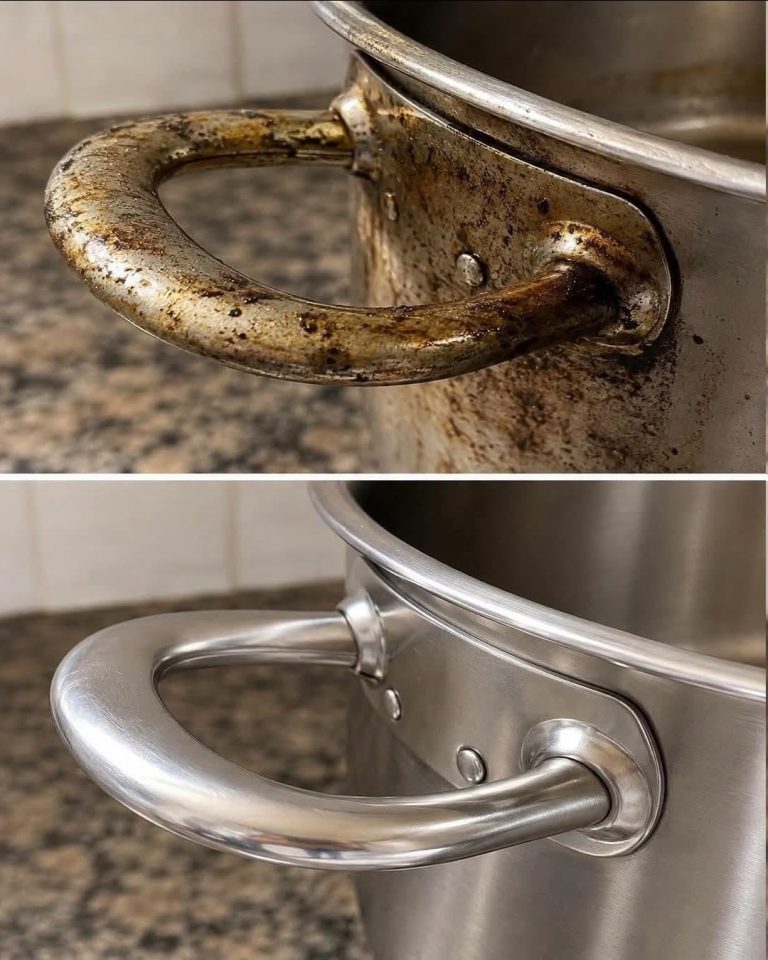
Stainless steel cookware is a staple in professional and home kitchens alike, prized for its durability, even heat distribution, and sleek aesthetic. However, regular cooking inevitably leads to stubborn challenges: baked-on grease, caramelized food residues, and heavy brown discoloration around pot handles and exterior rims. Over time, exposure to high heat causes oils to polymerize into a tough, varnish-like layer that standard dish soap and water simply cannot remove.
Instead of replacing your favorite pots and pans or spending hours scrubbing with harsh chemical abrasives, professional housekeepers and home restoration experts rely on proven, natural cleaning methods. Restoring stainless steel to a mirror-like finish not only enhances your kitchen’s visual appeal but also extends the lifespan of your culinary investments.
This comprehensive guide explores the science of stainless steel oxidation, step-by-step restoration techniques, preventative maintenance tips, and smart household budgeting strategies.
The Science Behind Stainless Steel and Burned Grease
To effectively clean and restore stainless steel cookware, it helps to understand what makes the material unique and why grease becomes so difficult to remove.
Understanding Chromium Oxide Passivation
Stainless steel contains a minimum of 10.5% chromium, which reacts immediately with oxygen in the air to form an invisible, self-healing protective layer called chromium oxide. This layer prevents rust and corrosion. However, when cooking oils splatter onto hot metal surfaces and bake repeatedly over high heat, they form cross-linked polymers that bond tightly to the steel surface.
Why Standard Cleaning Fails
Basic dish soaps are formulated to lift loose surface oils, not polymerized carbonized grease. To break down these hardened layers safely without scratching the underlying metal grain, you need mild alkaline agents or controlled abrasive reactions combined with targeted heat and soaking time.
Step-by-Step Guide: How to Restore Burned Cookware
Restoring a heavily stained or grease-covered pot requires patience and the right combination of household ingredients.
1. The Baking Soda and Hydrogen Peroxide Paste
-
Mix the Paste: Combine baking soda with enough hydrogen peroxide (or water) to form a thick, spreadable paste.
-
Apply Generously: Coat the stained handles, rims, and bottom surfaces thoroughly, paying special attention to crevices around rivets and joints where grease accumulates.
-
Let It Sit: Allow the mixture to penetrate the burned carbon layer for 30 to 60 minutes.
2. Gentle Scrubbing and Lifting
-
Use Non-Scratch Tools: Use a non-scratch nylon scrubbing pad or a soft-bristled brush to work the paste gently along the grain of the stainless steel.
-
Rinse Thoroughly: Wash away loosened debris with warm water and check for any remaining spots. For extremely stubborn buildup, repeat the process or use a specialized stainless steel cleaning powder like Bar Keepers Friend.
Financial Savings and Cookware Maintenance
Investing time into proper cookware restoration yields significant financial benefits for household budgets.
Protecting Your Kitchen Investment
High-quality stainless steel pots and pans are expensive to replace. Regular deep-cleaning and maintenance prevent permanent pitting and corrosion, ensuring your cookware lasts for decades rather than just a few years.
Sustainable Living and Waste Reduction
Restoring existing items instead of discarding them into landfills aligns with eco-friendly, sustainable household management practices. It reduces consumer waste and minimizes the need for single-use replacement goods.
Important Safety Guidelines and Cautions
When cleaning heavily soiled cookware, keep these safety practices in mind:
-
Avoid Steel Wool on Polished Finishes: Coarse steel wool or harsh metal scrapers can leave deep, permanent scratches on polished or mirror-finish stainless steel surfaces. Always scrub in the direction of the metal grain.
-
Proper Ventilation: When using commercial heavy-duty oven cleaners or multi-purpose degreasers, ensure your kitchen is well-ventilated to avoid inhaling strong chemical fumes.
Interesting Historical Facts About Stainless Steel
-
Accidental Discovery: Stainless steel was discovered in 1913 by English metallurgist Harry Brearley while he was searching for an alloy that would prevent gun barrels from eroding in military firearms.
-
The First Stainless Cutlery: Initially, cutlery manufacturers were skeptical of the new metal because it did not tarnish like silver, but its undeniable hygiene benefits quickly revolutionized global kitchenware.
Conclusion: Keep Your Kitchen Shining
Transforming discolored, grease-stained cookware back to a brilliant, reflective finish is deeply satisfying and surprisingly simple. By understanding how to break down polymerized oils safely using natural household ingredients, you can keep your kitchen looking immaculate while protecting your financial investments.
Give this restoration method a try on your own cookware and enjoy results that look brand new!
Frequently Asked Questions (FAQ)
Can I use vinegar to clean burned stainless steel pots?
Yes! Boiling a mixture of water and white vinegar in the pot for 10 minutes helps loosen burnt food particles from the bottom interior surface before scrubbing.
How do I polish stainless steel to prevent future stains?
After cleaning and drying your cookware thoroughly, applying a tiny drop of mineral oil or olive oil with a soft microfiber cloth restores an incredible mirror shine and creates a temporary barrier against water spots.
Is it normal for stainless steel to discolor under high heat?
Yes. Exposing stainless steel to excessive burner heat can cause a golden or bluish heat tint. This is harmless and can be easily removed by wiping the surface with a mild acid like lemon juice or vinegar.
