
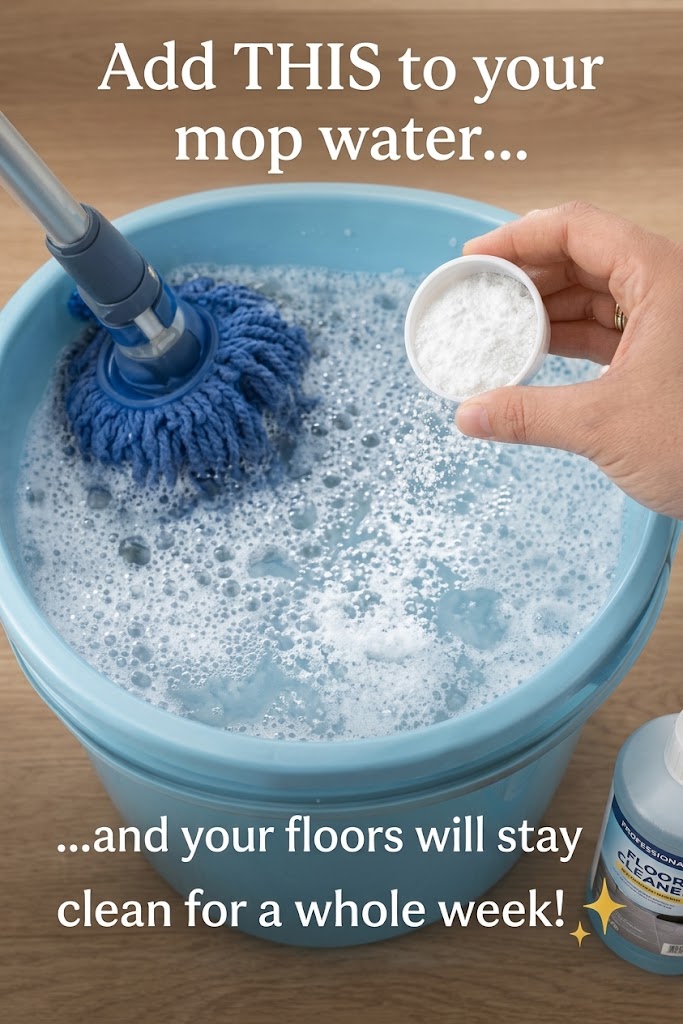
Maintaining pristine, streak-free floors is one of the most frustrating challenges in home care. Traditional floor cleaners often leave behind a sticky, microscopic chemical film that actively attracts dirt, dust, and pet hair, causing your newly mopped floors to look dull and dingy within hours.
However, professional housekeepers and home maintenance experts have long relied on a simple chemical secret. By adding a precise scoop of natural cleaning powder to warm water, you can break down stubborn grime, dissolve grease, eliminate static buildup, and keep your floors sparkling clean for an entire week.
This comprehensive guide breaks down the ultimate mop water mixture, the underlying cleaning science, safety precautions for various flooring types, and actionable home maintenance strategies to optimize your cleaning routine.
The Chemistry Behind Long-Lasting Clean Floors
Why do standard commercial cleaners fail to keep floors clean over time? Most off-the-shelf cleaners contain synthetic surfactants and high concentrations of fragrance oils. When dissolved in mop water and applied across hardwood, tile, or laminate, these liquids dry into an invisible, tacky layer. As family members walk across the surface, airborne dust sticks directly to this residue.
The Power of Natural Alkalinity and Anti-Static Agents
Adding a scoop of baking soda or washing soda (sodium carbonate) combined with a drop of gentle liquid dish soap completely alters the chemistry of mop water:
-
pH Balance for Grease Dissolution: Alkaline compounds break down lipid bonds in kitchen grease, muddy footprints, and cooking oil splatter.
-
Residue-Free Evaporation: Unlike heavy detergent soaps, a balanced sodium solution evaporates cleanly without leaving behind a dirt-attracting film.
-
Anti-Static Repulsion: Lowering static electricity on sealed floor surfaces prevents airborne dust particles from settling immediately after mopping.
Step-by-Step Guide: The Master Mop Water Recipe
Creating an effective, long-lasting floor solution requires simple household ingredients mixed in proper proportions.
Essential Ingredients and Ratios
To prepare one gallon of hot mop water, combine:
-
1 Gallon Warm-to-Hot Water: Warm water speeds up soil dissolution and accelerates evaporation.
-
1 Scoop (1 tablespoon) Powdered Sodium Bicarbonate or Washing Soda: Acts as a gentle abrasive buffer and deodorizing agent.
-
1/2 Teaspoon Concentrated Dish Soap: Lifts grease without creating excess suds.
-
1/4 Cup White Vinegar (Optional for Tile/Laminate): Cuts through mineral deposits and adds a brilliant shine.
The Mopping Method for Maximum Efficiency
-
Sweep or Vacuum Thoroughly: Remove loose dirt, hair, and grit prior to wet mopping to prevent scratching the floor finish.
-
Wring Out Excess Moisture: Ensure your microfiber mop head is damp, not soaking wet. Excess standing water can seep into joints and damage underlayment.
-
Mop in S-Pattern Motion: Work from the furthest corner of the room back toward the exit door, moving the mop in an overlapping S-shape to trap dust particles effectively.
Floor Safety Guide: Adapting the Solution to Different Surfaces
Different flooring materials require specific care to prevent moisture damage or surface dulling.
Ceramic, Porcelain, and Natural Stone Tile
Tile and grout benefit immensely from alkaline mop solutions. The fine sodium particles dissolve deep grout stains and neutralize kitchen grease. For natural stone like marble or granite, omit vinegar to prevent acid etching.
Sealed Hardwood and Engineered Wood
Hardwood floors require minimal moisture. Use warm water with a small scoop of baking soda and a drop of pH-neutral soap. Ensure the mop is wrung almost dry to protect the sealant and raw wood layers.
Vinyl, LVT, and Laminate Flooring
Luxury vinyl tile (LVT) and laminate respond exceptionally well to baking soda and vinegar water solutions. The formula removes scuff marks and drying streaks, leaving a brilliant shine.
Financial Savings and Smart Household Budgeting
Switching from commercial floor sprays and disposable mop pads to reusable microfiber mops and bulk home ingredients provides major economic advantages.
Reducing Annual Cleaning Expenses
-
Eliminates High-Cost Refills: Pre-mixed floor cleaner bottles and disposable dusting pads carry massive profit margins. Switching to a DIY bucket solution cuts floor maintenance costs significantly over a year.
-
Extends Flooring Lifespan: Harsh chemical residues can slowly degrade floor waxes and polyurethane topcoats over time. Gentle, balanced cleaning agents protect home capital investments, preventing costly floor refinishing or replacement.
Essential Housekeeping Tips to Keep Floors Clean All Week
While a great mop solution provides the foundation, smart daily habits help maintain clean floors longer:
-
Establish a No-Shoes Policy: Placing a shoe rack near front entryways prevents mud, road salt, pesticides, and outdoor debris from entering your living spaces.
-
Place Absorbent Doormats: Position high-quality doormats both outside and inside every exterior door to catch dirt from footwear and pet paws.
-
Daily Spot Maintenance: Keep a spray bottle of water and a clean microfiber cloth ready for quick spill cleanups before liquids dry and sticky patches form.
Historical and Fun Facts About Household Cleaning
-
Ancient Floor Scrubbing: In ancient Rome, housekeepers scrubbed mosaic tile floors using volcanic ash mixed with water, creating a primitive alkaline scrub similar to modern cleaning soda.
-
The Invention of the String Mop: In 1893, inventor Thomas W. Stewart patented a clamping mop design that allowed homeowners to easily wring out mop water without touching dirty rag strings directly.
-
Microfiber Revolution: Modern split-microfiber mop heads possess fibers 100 times finer than a human hair, creating mechanical grip that traps dirt particles without needing heavy chemical detergents.
Conclusion: Transform Your Cleaning Routine
Achieving floors that remain clean, shiny, and dust-free for a full week does not require expensive commercial products or hours of daily scrubbing. By mastering the science of mop water additives and maintaining simple entry habits, you can enjoy a spotless home environment with far less effort.
Try this simple scoop hack in your mop bucket today and experience the difference of truly residue-free floors!
Frequently Asked Questions (FAQ)
Can I use this mop water solution in a spray mop?
Yes! Ensure the powder is fully dissolved in warm water before pouring it into your spray mop reservoir to prevent tiny un-dissolved particles from clogging the spray nozzle.
Will adding baking soda or washing soda dull my glossy floors?
No, provided it is fully dissolved in water. Powdered baking soda dissolves completely in warm water, creating a soft alkaline solution rather than an abrasive scrub.
How often should I change the mop water bucket while cleaning?
Change your mop bucket water as soon as it appears cloudy or gray. Mopping with dirty water simply redistributes grime across your floor, causing streaks and dullness.
PINNED COMMENT:
👉 Get the full mop water formula and floor-cleaning guide here: [PASTE LINK]
