
Getting a good night’s sleep is one of the most vital pillars of overall health and well-being. From restorative brain function to muscle recovery, sleeping allows our bodies to reset. However, waking up to find a damp spot on your pillow is a surprisingly common experience that often triggers curiosity, amusement, or concern.
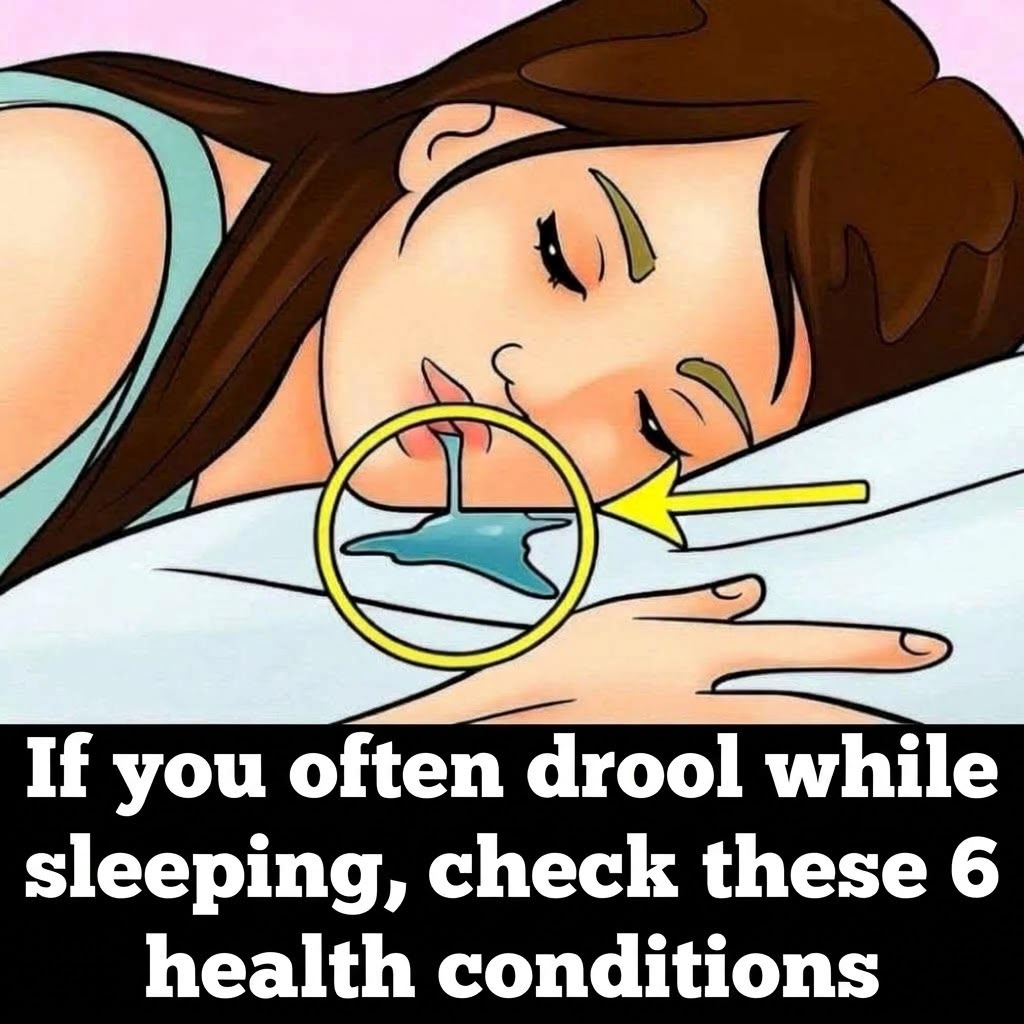
When viral health graphics circulate online asking: “If you often drool while sleeping, check these 6 health conditions,” they instantly spark widespread interest. In this comprehensive guide, we examine the physiological causes of nocturnal drooling, sleeping positions, nasal congestion, and when to seek medical advice.
The Physiology of Nocturnal Salivation
Saliva production continues naturally even while we rest, but why does it sometimes escape while we sleep?
                  [ NOCTURNAL SALIVATION FACTORS ]
                                │
        ┌───────────────────────┴───────────────────────┐
        ▼                                               ▼
[ Sleeping Positions ]                          [ Airway & Sinus Factors ]
  • Side or stomach sleeping allows gravity       • Nasal congestion forces open-mouth
    to pull pooled saliva out of the mouth.         breathing during the night.
1. The Role of Sleeping Positions
The most common cause of simple drooling is sleeping on your side or stomach. When your body is relaxed in deep sleep, your mouth naturally falls open, and gravity causes pooled saliva to escape onto your pillow.
2. Nasal Congestion and Open-Mouth Breathing
If you suffer from allergies, a sinus infection, a deviated septum, or a cold, your nasal passages may become blocked. This forces you to breathe through your mouth all night, significantly increasing the likelihood of drooling.
Step-by-Step Guide: Managing Sleep Posture and Breathing
If you want to reduce nighttime drooling and improve your overall sleep comfort, trying a few practical adjustments can make a big difference.
┌─────────────────────────────────────────────────────────┐
│              SLEEP POSTURE & COMFORT ROUTINE            │
└────────────────────────────┬────────────────────────────┘
                             │
                             ▼
┌─────────────────────────────────────────────────────────┐
│ STEP 1: SHIFT TO BACK SLEEPING                          │
│ • Sleep on your back to keep saliva naturally contained │
└────────────────────────────┬────────────────────────────┘
                             │
                             ▼
┌─────────────────────────────────────────────────────────┐
│ STEP 2: CLEAR NASAL PASSAGES                            │
│ • Use saline rinses or humidifiers to ease breathing    │
└────────────────────────────┬────────────────────────────┘
1. Adjusting Your Sleep Position
Try training yourself to sleep on your back. Using supportive pillows to keep your head slightly elevated can prevent side-sleeping tilt and keep your mouth naturally closed.
2. Clearing Sinus Blockages
If nasal allergies or congestion are forcing you to breathe through your mouth, using a bedside humidifier, saline nasal sprays, or consulting an allergist can help clear your airways.
Fascinating Facts About Saliva and Sleep
-
The Saliva Factory: Human salivary glands produce between 0.5 to 1.5 liters of saliva every single day, even slowing down significantly during sleep.
-
Deep Sleep Relaxation: Drooling is actually a sign that you have reached REM or deep sleep, because your facial muscles and jaw relax completely.
-
The Power of Hydration: Staying well-hydrated throughout the day helps regulate normal bodily secretions and overall health.
Practical Checklist for Better Rest
-
Optimize Your Sleeping Environment: Keep your bedroom cool, dark, and comfortable for uninterrupted rest.
-
Support Your Head: Use a firm pillow that keeps your neck and head aligned if you prefer side sleeping.
-
Manage Allergies: Keep indoor air clean and treat seasonal allergies proactively.
-
Consult Professionals: Speak with a healthcare provider if you experience sudden, excessive drooling accompanied by other neurological symptoms.
Conclusion
While viral health graphics make dramatic claims about drooling, the vast majority of nocturnal salivation is completely harmless and simply a byproduct of side sleeping or mild nasal congestion. By understanding your sleep posture and keeping your airways clear, you can enjoy more comfortable, restful nights!
Frequently Asked Questions (FAQ)
Is drooling while sleeping normal?
Yes, occasional or regular drooling while sleeping is completely normal, particularly for people who sleep on their side or stomach and experience relaxed facial muscles.
Can sinus issues cause you to drool at night?
Yes. Allergies, colds, or sinus congestion can block your nasal passages, forcing you to breathe through your mouth while sleeping, which frequently leads to drooling.
When should I worry about nighttime drooling?
If excessive drooling appears suddenly, is accompanied by difficulty swallowing, or interferes with your daily health, you should consult a qualified physician for an evaluation.
How can I stop drooling in my sleep?
Sleeping on your back, elevating your head slightly with a supportive pillow, and treating any underlying nasal congestion are the most effective ways to reduce nighttime drooling.
